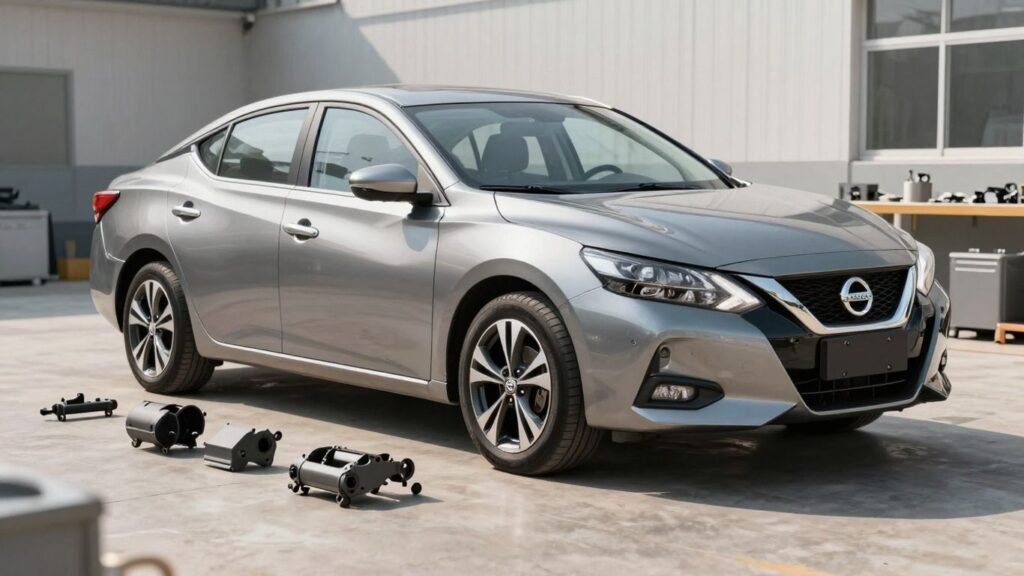
Thinking about getting rid of your old Nissan? It can feel like a big task, especially if it’s seen better days. But there’s a good way to handle it. This guide is all about how to recycle your old Nissan vehicle responsibly. We’ll cover what to look for, how to get the most out of it, and make sure it’s done the right way for the planet.
Key Takeaways
- Nissan car wreckers dismantle old vehicles to salvage usable parts, promoting recycling and sustainability.
- The value of your Nissan for wrecking depends on its condition, model, and the demand for its specific parts.
- Responsible recycling reduces landfill waste and conserves natural resources by reusing materials and functional components.
- Before selling, gather all necessary documents, remove personal items, and arrange for towing if needed.
- Choose licensed and certified wreckers who follow environmentally sound disposal practices for fluids and materials.
Understanding Nissan Car Wreckers
What Are Nissan Car Wreckers?
Nissan car wreckers are basically specialized businesses that deal with old or damaged Nissan vehicles. Instead of just letting these cars sit around or go straight to a landfill, these places take them apart. They carefully remove usable parts, like engines, transmissions, body panels, and even interior bits. These salvaged parts are then sold to people who need replacements for their own Nissans. It’s a smart way to keep perfectly good components from going to waste and helps keep older cars on the road longer. Plus, it’s a big part of making the auto industry a bit greener.
The Process of Wrecking A Nissan Car
So, how does it all work when you decide to have your Nissan wrecked? It usually starts with you reaching out to a car wrecker. They’ll want to know about your car – the model, the year, and its general condition. Sometimes they’ll ask for pictures. Based on this info, they’ll give you an offer. If you agree, they’ll arrange to pick up your car. Once it’s at their yard, the real work begins. Skilled technicians will go through the vehicle, identifying and removing any parts that are still in good shape and likely to be in demand. These parts are then cleaned up, cataloged, and put into inventory, ready for someone else to buy.
Key Factors in Vehicle Valuation
When a wrecker looks at your old Nissan, they’re not just seeing a pile of metal. They’re assessing its potential value, and a few things really matter. The overall condition of the car is a big one – is it mostly intact, or has it been in a major accident? Certain models are also more popular than others, meaning their parts might be in higher demand. Think about a classic Z car versus a more common sedan; the parts for the Z might be worth more. The age of the car plays a role too, as do the specific parts that are still functional. An engine that runs well or a transmission in good shape can significantly boost the car’s valuation.
The value of your old Nissan isn’t just about its scrap metal weight. It’s about the individual components that can live on in another vehicle, saving resources and money for others.
Maximizing Value From Your Old Nissan
So, you’ve decided it’s time to say goodbye to your old Nissan. Before you just hand over the keys, let’s talk about how you can actually get the most out of it. It’s not just about getting rid of it; it’s about making sure you get a fair shake for what it’s worth.
Assessing Your Nissan’s Condition
First things first, take an honest look at your car. Is it a total write-off from a major accident, or is it just a bit worn around the edges? The overall condition plays a huge role. Think about what’s still working well. Are the engine and transmission in decent shape? How about the body panels – are they mostly intact, or are they rusted through? Even the interior condition can make a difference. A car that’s been well-maintained, even if it’s old, will generally be worth more than one that’s been neglected.
The Role of Model and Part Demand
Not all Nissans are created equal when it comes to value. Certain models, especially those that are harder to find or have a strong following, can fetch a better price. Think about popular models like the Altima or the Rogue, or maybe a classic like a Z car. Even if the car itself isn’t running, the demand for its specific parts can significantly boost its value. If a particular part from your model is frequently needed for repairs or upgrades, wreckers will pay more for it. It’s a bit like supply and demand, but for car parts.
Salvageable Parts From A Wrecked Nissan
When a car gets wrecked, it’s not just scrap metal. Many components can be pulled out and given a new life. Major items like the engine, transmission, and catalytic converter are often the most valuable. But don’t forget about other parts: body panels (doors, fenders, hoods), headlights, taillights, wheels, and even interior pieces like seats and dashboards can be salvaged. Electronics, like the infotainment system or control modules, can also be worth something. The key is to identify what’s still functional and in good condition before the car is completely dismantled.
When you’re looking at your old Nissan, try to think like a mechanic or a parts buyer. What would someone else need to fix their own car? Focusing on those functional, in-demand components is where the real value lies.
Here’s a quick look at how different factors might influence the value:
| Factor | High Value Indicator |
|---|---|
| Condition | Mostly intact body, functional engine/transmission |
| Model | Popular models, rare or classic Nissan variants |
| Part Demand | High demand for specific engine, body, or electronic parts |
| Mileage (if running) | Lower mileage generally means more life in parts |
Responsible Recycling Practices
Nissan’s Commitment to Sustainability
Nissan, like many major automakers, has a plan for what happens to cars when they’re no longer on the road. They aim to make sure that as much of the car as possible gets reused or recycled. This isn’t just about being "green"; it’s about using resources smarter and cutting down on waste. Think of it as giving the car’s materials a second life instead of just burying them.
The Benefits of Closed-Loop Recycling
When we talk about recycling your old Nissan, closed-loop recycling is a big deal. This means that the materials from your old car, like the steel from the body or the aluminum from the engine, are processed and then used to make new Nissan parts, or even other new products. It’s like a circle – the old car’s stuff becomes new stuff. This cuts down a lot on needing to mine for new raw materials, which takes a lot of energy and can harm the environment. Plus, it helps keep usable parts from being thrown away.
| Material Type | Potential Recycled Use |
|---|---|
| Steel | New car bodies, construction materials |
| Aluminum | Engine parts, wheels, new cans |
| Copper | Wiring, electronics |
| Plastics | Bumpers, interior trim, new plastic goods |
| Glass | New windows, insulation |
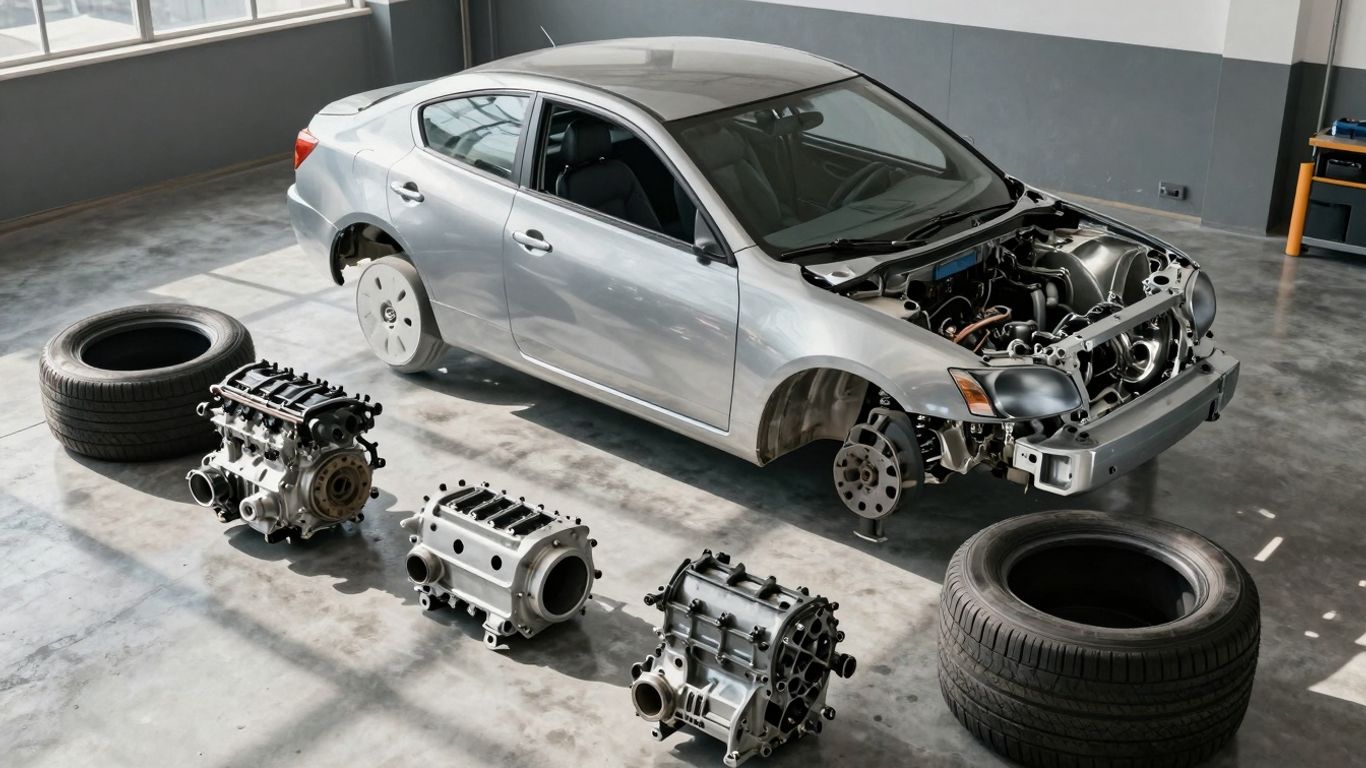
When a car is properly dismantled, technicians carefully take out fluids and hazardous materials first. Then, they salvage parts that still work, like the engine or transmission, which can be fixed up and sold. What’s left gets shredded, and machines sort out the metals. This whole process means less junk in landfills and more materials going back into use.
Environmental Impact of Vehicle Scrapping
Scrapping a car the right way makes a real difference. If cars just sit in a junkyard, they can leak oil, coolant, and other fluids into the ground, which is bad for the soil and water. But when a car is sent to a recycler that follows good practices, these harmful liquids are removed safely. Then, the metals and other materials are recovered. This stops a lot of pollution and saves natural resources. Choosing a recycler that recycles at least 70% of the vehicle’s weight is a good sign they’re doing it right. It means less mining, less energy used to make new materials, and a cleaner planet overall.
Preparing Your Nissan for Disposal
Alright, so you’ve decided it’s time to let your old Nissan go to a good home – a recycling yard, that is. Before you hand over the keys, there are a few things you’ll want to sort out. It’s not complicated, but doing it right makes the whole process smoother for everyone involved.
Gathering Essential Documentation
First things first, you’ll need some paperwork. The most important piece is proof of ownership. This usually means your vehicle’s title or registration documents. Think of it as showing your ID to the recycling yard. They need to know you’re the rightful owner and have the authority to hand the car over. Some places might also ask for your driver’s license to verify your identity. It’s always a good idea to call the specific recycling center you plan to use beforehand. They can tell you exactly what they need, so you don’t show up empty-handed and have to make a second trip. Missing documents can really hold things up.
Removing Personal Belongings and Valuables
This might seem obvious, but seriously, double-check your car for anything that isn’t bolted down and belongs to you. We’re talking about sunglasses, loose change, maybe that old CD you forgot about, or even important documents like insurance papers or your owner’s manual. If you’ve added any aftermarket parts that you want to keep, like a fancy stereo system or special floor mats, now’s the time to take them out. It’s your responsibility to clear out everything personal before the car is officially theirs. Also, think about any electronic devices that might have stored personal information. It’s better to be safe than sorry.
Arranging For Towing Services
Unless your Nissan is still running like a champ (which, if it is, you might be getting a better deal than just scrap value!), you’ll need to figure out how to get it to the recycling yard. Many yards offer towing services, and sometimes it’s even included in the price they offer for the car. But don’t just assume – always ask if towing is part of the deal or if there’s an extra charge. If you decide to arrange your own towing, do a little research. Get a few quotes from local tow truck companies that handle disabled vehicles. Make sure to schedule the pickup during the yard’s business hours. Most places won’t accept drop-offs after hours or on weekends, so plan accordingly. Getting this sorted ahead of time means one less thing to worry about on the day of the transaction.
Finalizing The Transaction
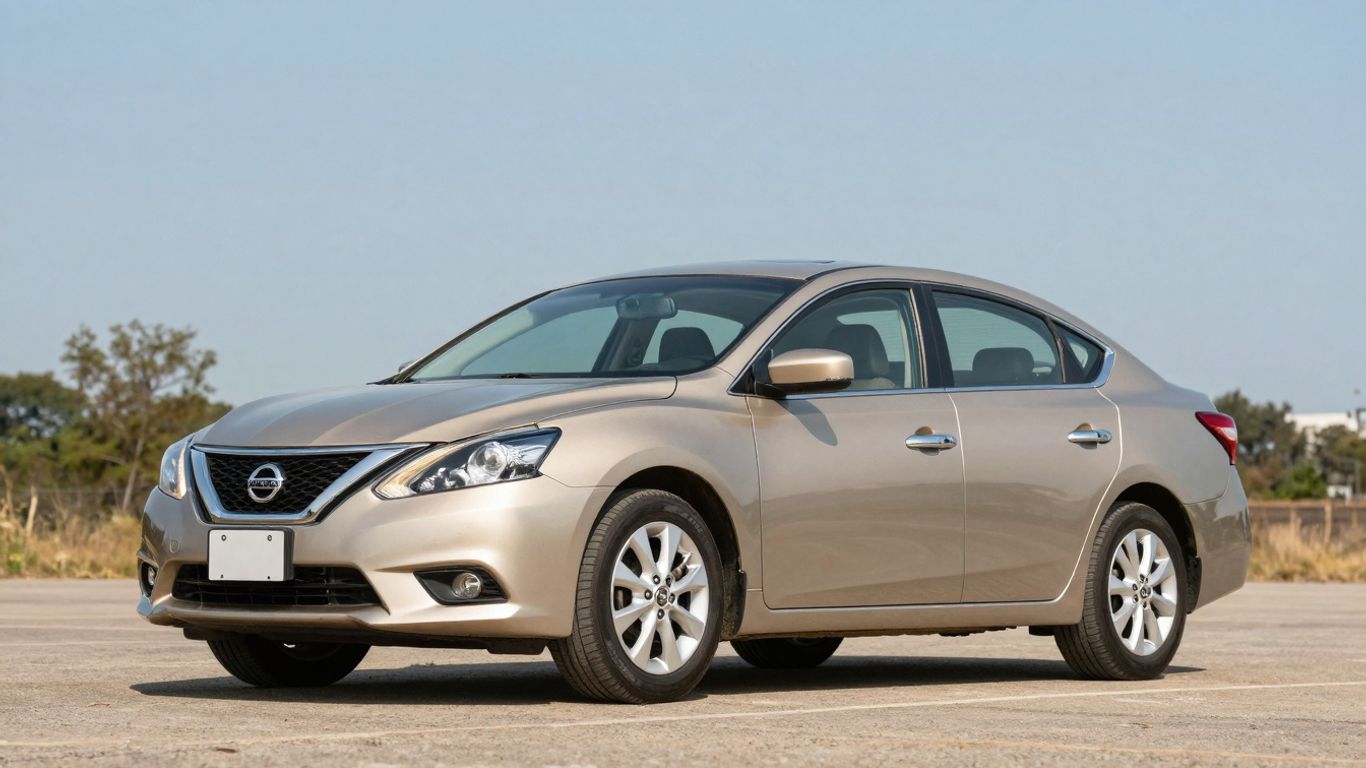
So, you’ve agreed on a price and the recycler is ready to take your old Nissan off your hands. This is where the paperwork and final steps come in. It’s important to get this right so you don’t have any headaches later on.
Ensuring Proper Disposal Procedures
Before you hand over the keys, it’s a good idea to confirm the recycler’s practices. Ask them how they handle things like fluids, batteries, and other materials that could be harmful if not disposed of correctly. A good recycler will be transparent about their process and committed to environmental standards. They should be able to tell you what percentage of the car they aim to recycle.
Choosing a recycler that prioritizes responsible disposal means you’re not just getting rid of an old car; you’re contributing to a cleaner environment. It’s about making sure that what can be reused is, and what can’t is handled safely.
Receiving Payment and Transferring Title
This is the part where you get paid and officially hand over ownership. You’ll need to sign over the vehicle title to the recycler. Make sure your name is on the title, and that you have a valid ID that matches. The payment method can vary – some might offer cash on the spot, while others might write a business check. Always get a receipt detailing the transaction, including the amount paid and the vehicle’s information. This is your proof of sale and can be useful for tax purposes.
Here’s a quick look at what typically happens:
| Action | Details |
|---|---|
| Sign Over Title | Transfer ownership from you to the recycling company. |
| Receive Payment | Get paid the agreed-upon amount (cash or check). |
| Get a Receipt | Keep this for your records; it’s your proof of sale. |
| Hand Over Keys | The vehicle is now officially out of your possession. |
Maintaining Transaction Records
Once the deal is done, don’t just forget about it. Keep all the paperwork you received from the recycler. This includes the bill of sale or transfer of ownership document, and your receipt. You might also want to notify your insurance company and the DMV that the vehicle is no longer in your possession. This helps to officially cancel your registration and insurance, preventing any future charges or liabilities associated with the car. It’s just good practice to keep these records for a while, just in case any questions pop up down the road.
Choosing Reputable Nissan Recyclers
So, you’ve decided to get rid of your old Nissan, and you want to do it the right way. That means finding a recycler you can trust. It’s not just about getting a few bucks for your car; it’s about making sure it’s handled responsibly.
Identifying Licensed and Certified Yards
When you’re looking for a place to take your Nissan, the first thing you should check is if they’re legit. Are they licensed by the state? Do they have any certifications that show they know what they’re doing when it comes to dismantling cars? A licensed and certified yard means they’re following the rules and regulations for handling vehicles and their parts. You don’t want your car ending up somewhere that’s just going to dump it illegally. A quick search online or asking around can usually give you a good idea of who’s operating above board. It’s worth taking a few extra minutes to find a place that’s properly set up.
Inquiring About Specific Disposal Practices
Don’t be shy about asking questions. What exactly do they do with the parts they pull from your Nissan? Do they have a system for recycling fluids like oil and coolant so they don’t end up polluting the ground? How do they handle materials like batteries and tires? A good recycler will be happy to explain their process. They should be able to tell you how they sort materials for recycling and what happens to the parts they can’t reuse. It shows they care about the environment, not just making a quick profit.
The Importance of Genuine Nissan Parts
When you’re dealing with a recycler, you might also be thinking about replacement parts for your current car, or maybe you’re just curious about what happens to the good bits from your old one. It’s really important to know that genuine Nissan parts, the ones made by Nissan, are designed specifically for your car. They fit right, they work right, and they’re built to last. While aftermarket parts might seem cheaper, they often don’t perform as well and can sometimes cause more problems down the line. If you’re buying parts from a recycler, asking if they are genuine Nissan parts is a good idea. It means you’re getting quality that’s meant to be in your vehicle, which is better for your car’s performance and safety.
Choosing a recycler is more than just a transaction; it’s a decision that impacts the environment and the automotive industry. By selecting a recycler who prioritizes responsible practices and genuine parts, you contribute to a cycle of sustainability and ensure that your vehicle’s end-of-life is handled with care and respect for resources.
Wrapping It Up: Your Nissan’s Next Chapter
So, that’s the lowdown on giving your old Nissan a proper send-off. It’s more than just getting rid of a car; it’s about making a choice that helps the environment and keeps other Nissans running smoothly. By picking a good wrecker, you’re not just getting some cash back, you’re also doing your part for a greener future. Think of it as your Nissan’s final, helpful act. If you’re ready to make that choice, reach out to us today and let’s get your old ride recycled the right way.