

Keeping your Nissan running well means staying on top of its service schedule. Think of it like going to the doctor for a check-up – it catches little things before they become big headaches. For your 2025 Nissan, whether it’s a car like the Sentra or Altima, or a truck like the Frontier, following a maintenance plan is key. This guide breaks down what you need to know about the Nissan car maintenance checklist for 2025, so you can keep your ride in great shape for years to come.
Key Takeaways
- Regular service for your Nissan is important to make sure it lasts a long time and runs well.
- Following a maintenance schedule helps catch small problems before they turn into expensive repairs.
- Different Nissan models might have slightly different service needs, so check your owner’s manual.
- Key service points happen at mileage markers like 10,000, 15,000, 30,000, 60,000, and 90,000 miles.
- Don’t forget to keep track of your service history using a logbook or reminders.
Understanding Your Nissan Car Maintenance Checklist for 2025

The Importance of Regular Service for Nissan Longevity
Keeping your Nissan running well for years to come really comes down to one thing: regular check-ups. Think of it like going to the doctor for a yearly physical. You might feel fine, but the doctor can spot little things before they become big problems. Your car is no different. Sticking to a maintenance schedule helps catch issues early, which can save you a lot of headaches and money down the road. A well-maintained Nissan is a reliable Nissan. It means fewer unexpected breakdowns and a smoother driving experience, whether you’re just running errands or heading out on a road trip.
Preventing Small Issues From Becoming Major Problems
It’s easy to put off that oil change or ignore a strange noise. But those small things can snowball. For instance, old oil doesn’t lubricate your engine as well, leading to more wear and tear. A worn belt could snap, leaving you stranded. Regular service intervals are designed to address these potential problems before they get serious. For example, at certain mileage points, your Nissan might need its brake fluid checked or replaced. If you skip that, your brakes might not work as well when you really need them. It’s all about proactive care.
Tailoring Maintenance to Your Specific Nissan Model
While Nissan has general guidelines for all its vehicles, your specific model might have a few unique needs. A sporty sedan like the Altima might have different requirements than a rugged Frontier truck. The owner’s manual is your best friend here; it lays out exactly what your car needs and when. Knowing your model’s specific maintenance schedule, like when to check the transmission fluid or replace spark plugs, helps keep it performing at its best. It’s not a one-size-fits-all situation, so paying attention to your model’s particular needs makes a big difference.
Keeping up with your Nissan’s service schedule isn’t just about following rules; it’s about protecting your investment and ensuring your car remains a dependable part of your life for as long as possible. Small actions now prevent big headaches later.
Key Service Milestones for Your 2025 Nissan
Your Nissan is built to last, but like any machine, it needs regular care to keep running smoothly for years to come. Staying on top of your vehicle’s maintenance schedule is key to keeping it in top shape. The manufacturer provides a simple mileage checklist to guide you through important service points. These intervals help ensure that your vehicle stays in good condition.
The 10,000-Mile Initial Maintenance
By the time your Nissan reaches 10,000 miles, it’s due for its first service. This initial round of maintenance is pretty straightforward but important for long-term vehicle performance. It typically includes:
| Service Item |
|---|
| Tire Rotation |
| Air Filter Replacement |
| Oil Change |
| Parts Inspection |
Neglecting this first service can lead to more costly repairs and reduced vehicle efficiency down the road. Taking advantage of this service can also help you benefit from warranty coverage.
This early attention sets the tone for future services and helps prevent small issues from becoming bigger problems.
The 15,000-Mile First Major Checkup
When your Nissan hits the 15,000-mile mark, it’s time for a bit more attention to keep it in prime condition. This is one of the first major milestones in your car’s service schedule. For models like the 2025 Nissan Sentra, Altima, or Frontier, taking care of your vehicle now helps prevent minor issues from turning into major ones later.
Here’s what you can generally expect:
- Oil and Filter Change: Essential for keeping the engine lubricated.
- Air Filter Replacement: Helps the engine get proper airflow, improving fuel economy.
- Brake Fluid Check: Ensures your brakes are working efficiently and safely.
- Washer Fluid Refill: Keeps your windshield clear for better visibility.
This is also a good time to have the overall health of your car’s key systems, including brakes and tires, checked.
The 30,000-Mile Deeper Dive Into Vehicle Health
When your Nissan reaches 30,000 miles, it’s time for a more thorough checkup. By this point, your vehicle might be showing some signs of wear, and addressing these early can help avoid expensive repairs later. This service goes beyond the basics and includes several key maintenance tasks to help your Nissan perform at its best.
Tasks at this milestone build on the 15,000-mile service but also introduce important new checks and fluid replacements. Your mechanic will also check for wear in belts, hoses, and valves. Addressing these smaller components now can prevent bigger problems in the future. The 30,000-mile service plays a significant role in the long-term health of your vehicle.
Essential Checks at Higher Mileage Intervals
The 60,000-Mile Service for Optimal Performance
Reaching 60,000 miles means your Nissan is well into its service life, and this milestone service is all about keeping it running at its best. Think of it as a tune-up for a seasoned traveler. This is a good time to swap out the transmission fluid and filter, which is super important for smooth gear changes and keeping that transmission happy. If your Nissan has a timing belt, this is often a key point for replacement, especially on models like the Altima. A worn timing belt can cause some serious engine trouble if it snaps, so getting it checked or replaced here is a smart move. Spark plugs usually get a look-in too; by this point, they might be a bit tired, affecting how smoothly your engine runs and how much gas you use. Replacing them can make a noticeable difference in performance and fuel economy. Also, don’t forget about the brakes – checking the pads and rotors is a must for safety.
The 90,000-Mile Service for Peak Reliability
Hitting 90,000 miles is a big deal, and this service interval is designed to keep your Nissan reliable for the long haul. It’s often when more significant components get attention. This is a prime time to consider replacing things like the timing belt (if not done at 60k), various hoses, and the water pump. These parts work hard, and replacing them proactively can prevent major headaches down the road. A fuel system cleaning might be recommended to keep things running efficiently. You’ll also want to get a good look at the suspension and steering components – things like shocks and struts can start to wear out, affecting how your car handles. A battery and charging system test is also wise, as a dead battery is never convenient. And of course, keep those tires in check with a rotation and inspection.
Preparing for the 100,000-Mile Mark and Beyond
As you approach and pass the 100,000-mile mark, your Nissan’s needs evolve. While many of the checks from the 60k and 90k services remain important, you’ll want to pay extra attention to wear-and-tear items. This includes a more thorough inspection of the exhaust system, cooling system, and any seals or gaskets that might be showing their age. Think about the long-term health of your engine and transmission. Regular fluid changes, especially for the coolant and brake fluid, become even more critical. It’s also a good time to reassess your driving habits and how they might affect specific components. For instance, if you do a lot of stop-and-go city driving, your brakes and transmission might need a closer eye than someone who primarily drives on highways.
Keeping up with these higher mileage services isn’t just about fixing things when they break; it’s about preventing those expensive breakdowns and ensuring your Nissan continues to be a dependable part of your life. It’s an investment in continued performance and peace of mind.
| Component | Typical Action at 60k Miles | Typical Action at 90k Miles | Notes for Beyond 100k Miles |
|---|---|---|---|
| Transmission Fluid | Replace | Inspect/Replace | Monitor closely |
| Timing Belt (if equipped) | Replace | Inspect/Replace | Critical for engine health |
| Hoses & Belts | Inspect | Replace | Check for cracks/wear |
| Spark Plugs | Replace | Inspect | Improve fuel efficiency |
| Suspension/Steering | Inspect | Inspect/Replace | Affects ride and handling |
Critical Components Requiring Attention
Fluid Checks and Replacements
Think of your car’s fluids like its lifeblood. They keep things running smoothly, cool the engine, and help your brakes work. At different mileage points, these fluids need topping up or a complete change. For instance, your engine oil is usually changed every 5,000 to 7,500 miles, depending on the type of oil and your driving habits. But don’t forget the others! Brake fluid, power steering fluid, coolant, and transmission fluid all have their own service intervals. Skipping these can lead to overheating, poor braking, or even transmission failure. It’s a good idea to check your owner’s manual for the exact schedule for your specific Nissan model.
Belts, Hoses, and Battery Inspection
These parts might not get a lot of attention, but they’re super important. Belts, like the serpentine belt, drive things like your alternator and power steering pump. If one snaps, your car can stop working pretty quickly. Hoses carry vital fluids, and a cracked or bulging hose can lead to a leak and serious engine trouble. Your battery is also key, especially in colder weather. We’re talking about checking for corrosion on the terminals and making sure it holds a charge. A simple visual inspection can often spot problems before they leave you stranded.
Tire Health, Alignment, and Air Filter Replacement
Your tires are literally the only part of your car that touches the road, so keeping them in good shape is a big deal. Regular rotations, usually every 5,000 to 7,500 miles, help them wear evenly. This not only makes them last longer but also improves your car’s handling. If your car starts pulling to one side, or your steering wheel isn’t straight when you’re going straight, you might need an alignment. And that air filter? It keeps dirt and debris out of your engine. A clogged filter means your engine has to work harder, hurting fuel economy and performance. Replacing it is usually a quick and inexpensive job.
Suspension and Steering System Examination
Ever feel like your ride is bumpier than it used to be, or hear clunks and rattles when you go over bumps? That could be your suspension. Shocks and struts wear out over time, affecting ride comfort and handling. Similarly, your steering system needs to be in good shape for safe driving. Checking for play in the steering wheel, strange noises when turning, or uneven tire wear can all point to issues with these systems. Getting them checked out at the recommended intervals helps keep your Nissan handling predictably and safely.
Keeping an eye on these key areas can prevent minor issues from snowballing into expensive headaches. It’s about proactive care, not just reacting when something breaks. Your Nissan is designed to last, but it needs your help to do so.
Tips for Staying Ahead of Your Nissan Service Schedule
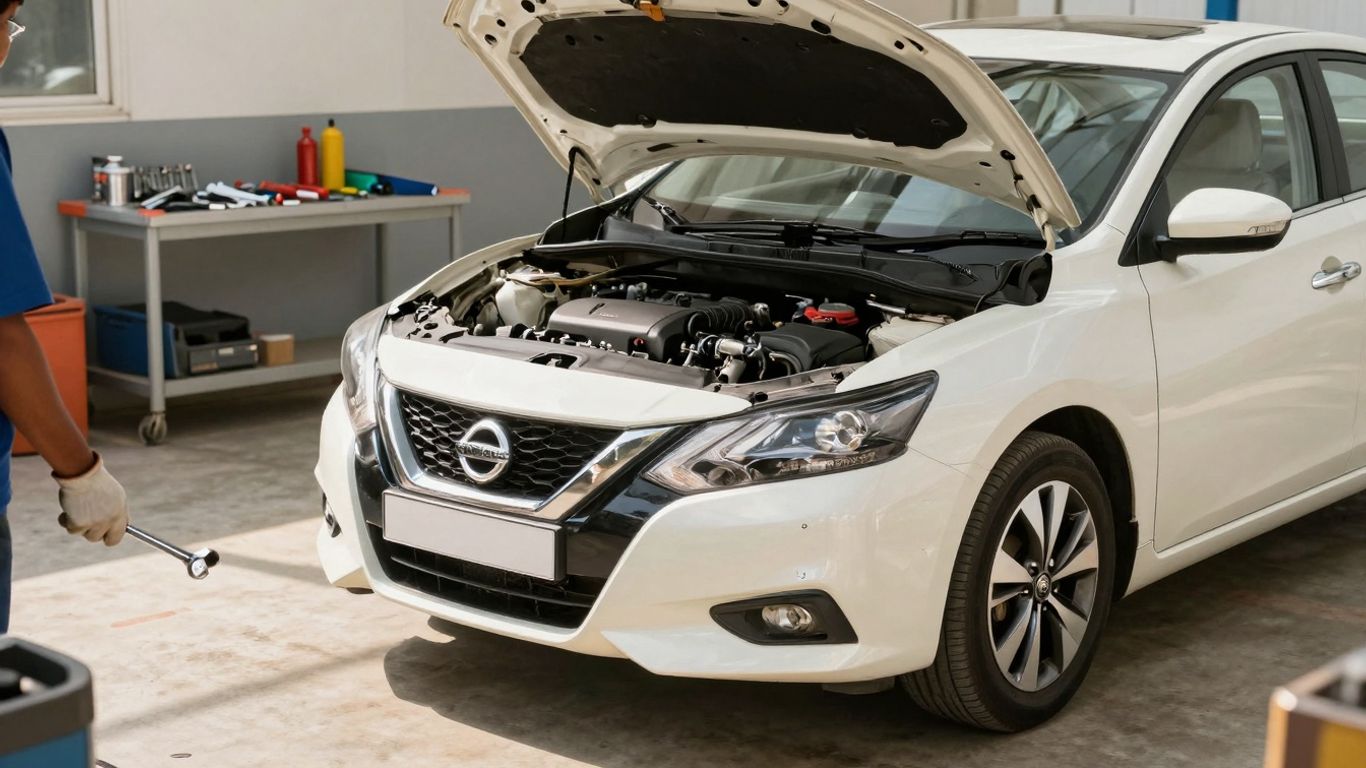
Keeping your Nissan running smoothly means staying on top of its maintenance. It’s easy to let things slide, but a little effort now can save you a lot of trouble later. Think of it like this: you wouldn’t ignore a small leak in your roof, right? Your car is kind of the same way. Little things can become big, expensive problems if you don’t pay attention.
Utilizing a Service Logbook
One of the simplest ways to keep track is to keep a log. You can use a dedicated notebook, a spreadsheet on your computer, or even a note-taking app on your phone. Whenever you get service done, jot down the date, the mileage, and what was done. This gives you a clear history and makes it easy to see when your next service is due. It’s especially handy if you ever need to show proof of maintenance for warranty work or when you decide to sell the car.
Setting Calendar Reminders
We all have busy lives, and it’s easy for car maintenance to slip your mind. Use your phone or computer calendar to set reminders for upcoming service intervals. You can set a reminder for a week or two before your estimated due date. This gives you time to call and schedule an appointment without feeling rushed. For example, if your owner’s manual says your next checkup is around 30,000 miles, set a reminder for 29,000 miles.
Requesting Detailed Service Records
When you take your Nissan in for service, always ask for a detailed record of the work performed. This should include a list of parts replaced, fluids changed, and any inspections done. This record is more than just a receipt; it’s a valuable document that helps you track your car’s history and informs you about what needs attention next. If you switch service providers, this record ensures the new mechanic knows exactly what’s been done.
Monitoring Your Mileage Closely
Your car’s mileage is the main indicator for most maintenance tasks. Make it a habit to check your odometer regularly, perhaps when you fill up your gas tank. Knowing your current mileage helps you anticipate when you’ll reach the next service milestone. Don’t wait for a warning light; proactive checks are the best way to keep your Nissan in top condition.
Keeping track of your Nissan’s service schedule doesn’t have to be a chore. Simple habits like logging services, setting reminders, and paying attention to your mileage can make a big difference in the long run. It’s about being proactive so your car stays reliable and avoids unexpected breakdowns.
Keep Your Nissan Rolling Smoothly
So, there you have it. Keeping your Nissan in good shape isn’t rocket science, but it does take a little effort. By following these service intervals, from the first check-up at 10,000 miles all the way up to the bigger jobs around 60,000 or 90,000 miles, you’re doing your car a huge favor. It means fewer surprise breakdowns, less money spent on big repairs later, and just a more pleasant driving experience overall. Think of it like this: a little bit of care now saves a lot of headaches down the road. Don’t forget to jot down your service dates or set a reminder on your phone. Your Nissan will thank you for it, mile after mile.