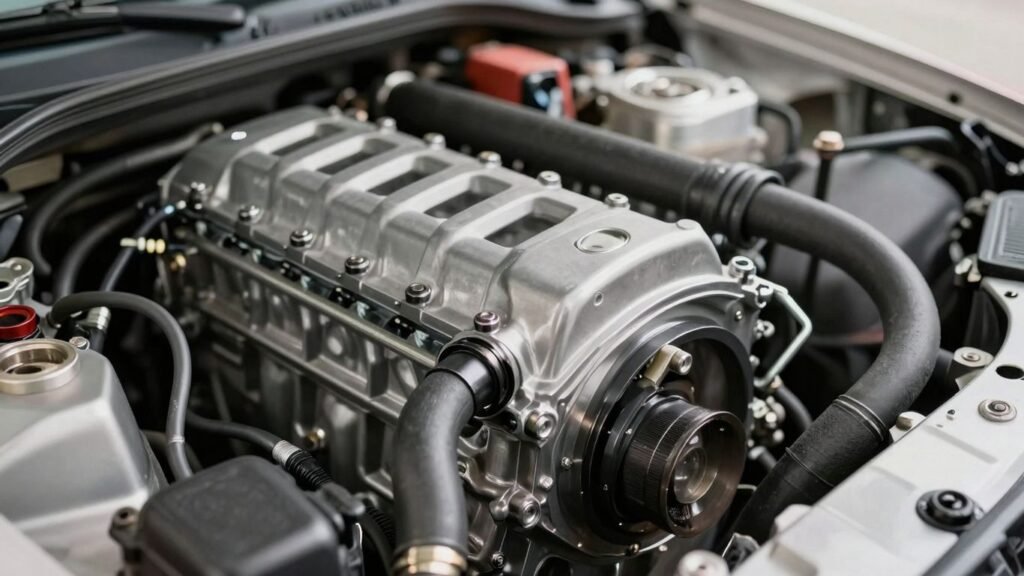
Thinking about how to extend the life of your Nissan engine? It’s not as complicated as it might seem. Most of us just want our cars to run well without breaking the bank. That means keeping up with the basics and knowing what to look out for. This guide breaks down how to keep your Nissan running smoothly for years to come, covering everything from simple checks to specific model tips.
Key Takeaways
- Regular oil changes are super important for your Nissan’s engine health. Stick to a shorter schedule than the manufacturer suggests if you push your car a lot.
- Keeping air filters clean helps your engine breathe better, which is good for performance and how long it lasts.
- Don’t forget about your cooling system; checking it regularly can stop overheating problems before they start.
- For specific models like the VR30, pay close attention to oil pressure and temperatures, and consider unplugging the oil pressure solenoid if you’re tuned.
- Monitoring your engine’s vital signs, like oil pressure and temperature, can help you spot problems early, saving you from bigger repairs down the road.
Embrace Preventative Maintenance For Engine Longevity
Understanding Preventative Maintenance Benefits
Think of preventative maintenance as giving your Nissan’s engine a regular check-up. It’s not just about fixing things when they break; it’s about stopping them from breaking in the first place. This approach can save you a lot of headaches and money down the road. Regular attention to your engine means it’s more likely to run smoothly for longer. It helps catch small issues before they turn into big, expensive problems. Plus, a well-maintained engine generally performs better and can even be a bit more fuel-efficient. It’s like taking care of yourself – a little effort now can lead to a much healthier future.
Key Vehicle Components Requiring Attention
When we talk about preventative care, a few key parts of your Nissan’s engine really need consistent attention. Your engine oil and its filter are probably the most talked about – they need regular changes to keep things clean and lubricated. Then there are the air filters; both the one for the engine and the cabin filter. A clogged engine air filter makes your engine work harder, and a dirty cabin filter just makes the air inside your car unpleasant. Don’t forget the spark plugs, which are vital for igniting the fuel. Keeping these components in good shape is a big part of keeping your engine happy.
| Component | Maintenance Task |
|---|---|
| Engine Oil/Filter | Regular changes per manufacturer’s recommendation. |
| Air Filters | Replace engine and cabin filters at set intervals. |
| Spark Plugs | Inspect and replace as needed for optimal function. |
| Fluids | Check and top off coolant, brake, and other fluids. |
Taking a proactive stance with your vehicle’s maintenance schedule is the most effective way to avoid unexpected breakdowns and costly repairs. It’s about being smart with your car’s health.
Proactive Care for Optimal Performance
Being proactive with your Nissan’s engine care is all about staying ahead of the game. It means not waiting for a warning light to come on before you check something. For instance, keeping an eye on your coolant levels, especially when it’s hot outside, can prevent overheating. Similarly, if you often drive in dusty areas, swapping out that engine air filter more often than the manual suggests might be a good idea. It’s these little extra steps, tailored to how and where you drive, that really make a difference in keeping your engine running at its best for years to come.
Mastering Essential Engine Care Routines
Taking care of your Nissan’s engine doesn’t have to be a headache. It’s mostly about sticking to a few key routines that keep things running smoothly. Think of it like brushing your teeth – do it regularly, and you avoid bigger problems down the road.
The Critical Role of Regular Oil Changes
This is probably the most talked-about maintenance task, and for good reason. Your engine oil is like the lifeblood of your engine. It lubricates all those moving parts, stops them from grinding against each other, and helps carry away heat and gunk. Over time, though, oil breaks down. It gets dirty, loses its viscosity, and just can’t do its job as well. That’s why changing it regularly is so important. For most Nissan models, sticking to the manufacturer’s recommended interval, usually around 5,000 to 7,500 miles, is a good bet. If you do a lot of stop-and-go driving or push your car hard, you might want to consider doing it a bit more often.
| Vehicle Type | Recommended Interval (Miles) |
|---|---|
| Standard Use | 5,000 – 7,500 |
| Severe Use | 3,000 – 5,000 |
Ensuring Optimal Airflow With Filter Replacements
Your engine needs air to burn fuel, just like we need air to breathe. The air filter is what keeps dirt, dust, and other debris from getting into your engine. If that filter gets clogged up, your engine struggles to get enough air. This can lead to a drop in performance, worse fuel economy, and can even make your engine work harder than it needs to. Replacing your air filter is usually a pretty simple job, and it’s often recommended every 15,000 to 30,000 miles, depending on how dusty your driving environment is. If you live somewhere with a lot of dirt roads or construction, you’ll want to check it more often.
A dirty air filter is like trying to run a marathon with a stuffy nose. It just makes everything harder.
Spark Plug Health For Peak Engine Function
Spark plugs are the little guys that actually ignite the fuel-air mixture in your engine’s cylinders. When they’re working right, you get a clean, strong spark that makes your engine run efficiently. But over time, the electrodes on spark plugs can wear down, or they can get fouled with carbon deposits. This can lead to misfires, rough idling, and a general lack of power. Most Nissan engines use spark plugs that are good for a long time, often 60,000 to 100,000 miles. However, it’s always a good idea to check your owner’s manual for the specific recommendation for your car. Replacing them at the recommended interval helps keep your engine running smoothly and prevents potential starting issues.
Maintaining Your Nissan’s Cooling And Lubrication Systems
Monthly Cooling System Inspections
Your Nissan’s cooling system is like its personal thermostat, keeping things from getting too hot under the collar. It’s not just about preventing a breakdown on a sweltering day; a properly functioning cooling system helps your engine run at its ideal temperature, which is good for its overall health and how long it lasts. You should check your coolant levels regularly, maybe once a month. Make sure the engine is cool before you pop the hood and take a look at the reservoir. If the level seems low, top it off with the correct type of coolant specified in your owner’s manual. Also, give those radiator hoses a quick squeeze – they should feel firm, not mushy or brittle. Any leaks or weird gunk around the hoses or radiator are signs you need to get it checked out sooner rather than later.
Choosing The Right Oil For Your Engine
Picking the right oil for your Nissan is a big deal. It’s not just about keeping things slippery; the right oil helps keep your engine clean, reduces wear, and helps manage heat. Your owner’s manual is your best friend here. It’ll tell you the specific viscosity grade (like 0W-30 or 5W-20) and the quality standard (API, ILSAC) your engine needs. Using the wrong oil can lead to all sorts of problems, from poor performance to actual engine damage. Think of it like giving your engine the right kind of food – it needs what’s best for it to thrive.
| Engine Type | Recommended Viscosity | Oil Change Interval (Severe Use) |
|---|---|---|
| V8 Engine | 0W-30 Full Synthetic | Every 5,000 km |
| VR30 Engine | Refer to Owner’s Manual | Refer to Owner’s Manual |
Understanding Oil Pressure Solenoid Function
The oil pressure solenoid is a small but mighty part of your lubrication system. Basically, it helps control the oil pressure in your engine. When your engine speed changes, this solenoid adjusts the flow of oil to make sure the pressure stays within the correct range. If the oil pressure is too low, parts might not get enough lubrication, leading to wear. If it’s too high, it can put stress on seals and other components. A faulty oil pressure solenoid can cause your oil pressure warning light to come on, or it might lead to other issues down the road if not addressed. It’s one of those things you might not think about until it causes a problem, so keeping an eye on your oil pressure readings, if your car has that feature, is a good idea.
Keeping your engine’s cooling and lubrication systems in good shape is like giving your Nissan a consistent health check-up. It prevents small issues from turning into big, expensive headaches and helps your engine run smoothly for a long time.
Addressing Specific Engine Models And Their Needs
Caring For The Robust V8 Engine
While many modern Nissans are moving towards smaller, turbocharged engines, the V8 has a long history of power and reliability. These engines, often found in trucks and larger SUVs, generally require less fuss than their smaller, more complex counterparts. The key here is consistent fluid changes, especially oil and coolant. Think of it like giving your engine a fresh drink and a clean bath regularly. Don’t skip on the quality of the oil; a good synthetic blend will go a long way in protecting those larger moving parts.
VR30 Engine: Understanding Common Issues
The VR30 engine, found in models like the Q50, Q60, and the Nissan Z, is a powerhouse but has had its share of quirks since its debut. Owners often report issues like snapped serpentine belts, problems with the intercooler system getting air pockets, and sometimes, injector failures. It’s not uncommon to hear about turbo seal issues or even differential and transmission problems down the line, especially if the car is driven hard without proper care. Paying attention to these known weak spots can save you a lot of headaches.
The VR30 engine is known for its performance potential, but it also demands a proactive approach to maintenance. Ignoring small signs or pushing the engine too hard without considering its specific needs can lead to more significant problems down the road. Regular checks and adherence to a strict maintenance schedule are your best defense.
VR30 Maintenance Schedule Essentials
For the VR30, a solid maintenance plan is more than just oil changes. You’ll want to keep a close eye on your coolant levels and the health of your intercooler system; air pockets here can really mess with performance. Oil changes should be frequent, using a good quality synthetic oil. For those pushing their VR30s, consider changing the transmission and differential fluids more often than the standard recommendation, maybe every 20,000 miles, especially if you notice any hesitation or odd noises. Monitoring oil pressure is also a big one – aim for at least 20 PSI at idle and 50 PSI when you’re really getting on it. If you have a tuned VR30, using a data-logging tool to keep tabs on temperatures and pressures is highly recommended.
Optimizing Performance And Fuel Efficiency
Getting the most out of your Nissan engine isn’t just about keeping it running; it’s about making it run well. This means looking at how you can get better mileage and a bit more pep when you need it. It’s not always about big, expensive changes either. Sometimes, it’s the simple stuff that makes a difference.
Strategies For Enhanced Fuel Economy
Want to save a few bucks at the pump? Start with the basics. Keeping your tires properly inflated is a big one. Underinflated tires create more drag, making your engine work harder. Also, think about how you drive. Smooth acceleration and braking use less fuel than slamming on the gas and then jamming on the brakes. It’s like anything else, really – being gentle usually gets you further.
A clean air filter lets your engine breathe easier, which can actually help with fuel use. It’s a small part, but it plays a role in how efficiently your engine burns fuel. Don’t forget to check it during your regular maintenance.
Performance Upgrade Options
If you’re looking for more power, there are ways to get it. Things like a high-flow air intake system can let your engine take in more air, which helps with combustion. A performance exhaust can help get the spent gases out faster. These kinds of upgrades can add a noticeable boost in horsepower and make your car feel more responsive. Just remember to check if these upgrades might affect your warranty, especially on newer models.
| Upgrade Type | Potential Benefit | Considerations |
|---|---|---|
| Cold Air Intake | Increased Airflow, Power | Filter maintenance, potential for water ingress |
| Performance Exhaust | Better Exhaust Flow, Power | Noise levels, emissions compliance |
| ECU Tuning | Optimized Engine Maps | Requires professional installation, warranty |
Fuel Choices For High Performance
What you put in your tank matters, especially if you’re pushing your engine. For many Nissan engines, especially those designed for higher performance, using a higher octane fuel like premium 95 or 91 can be beneficial. This type of fuel is less likely to pre-ignite, which is important when the engine is under load. If your car is tuned for it, or if you’re driving it hard, the right fuel can help prevent knocking and allow the engine to perform at its best. For everyday driving, sticking to the manufacturer’s recommendation is usually fine, but for those spirited drives, consider the fuel.
Transmission, Differential, And Transfer Case Care
Transmission Fluid Replacement Intervals
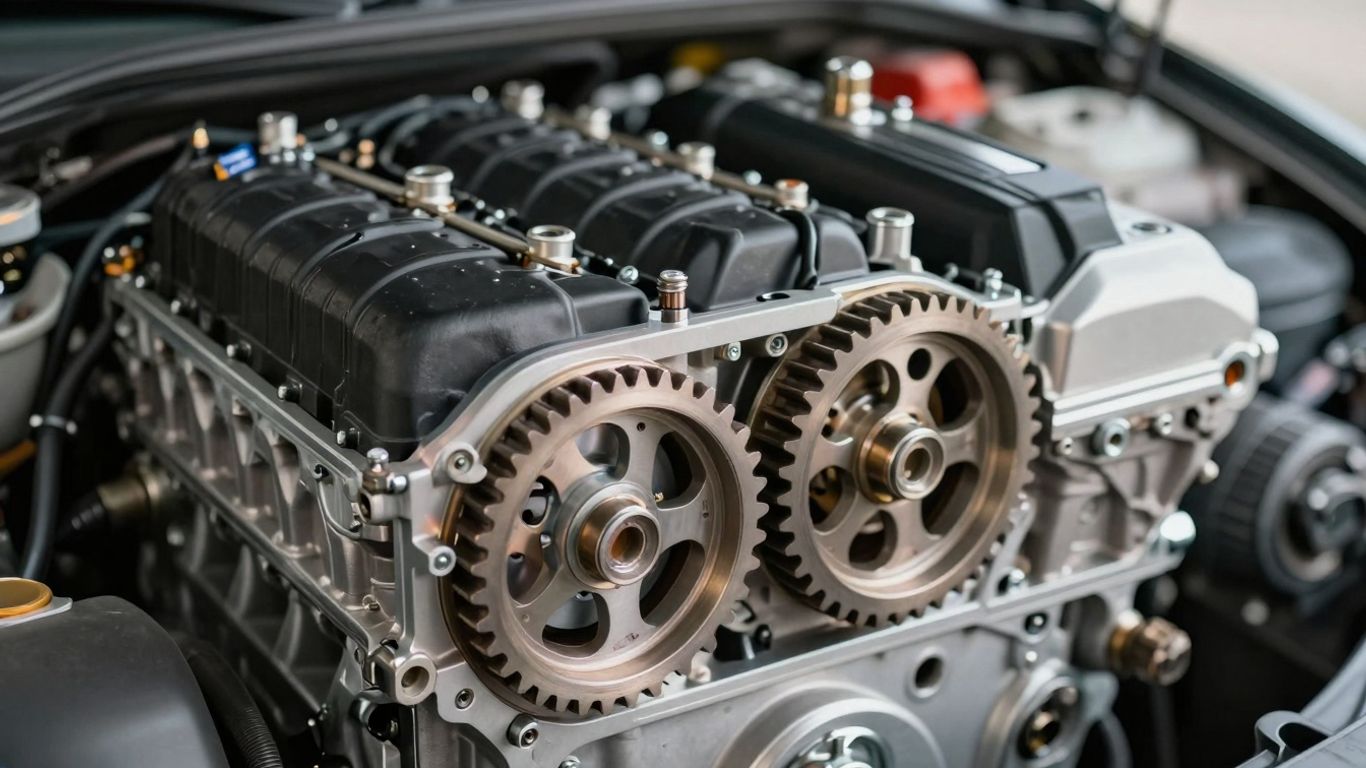
Your Nissan’s transmission is a complex piece of machinery, and keeping its fluid in good shape is super important. Think of it like the lifeblood of the gearbox. When it gets old and dirty, it just can’t do its job of lubricating and cooling as well as it should. This can lead to rough shifting, overheating, and eventually, some really expensive repairs. For most everyday driving, aiming to change the transmission fluid around every 50,000 miles is a solid plan. If you tend to drive your Nissan hard, maybe with frequent spirited drives or towing, you might want to consider doing it sooner, perhaps every 30,000 miles. It’s always better to be a bit early than too late.
Differential And Transfer Case Fluid Checks
If you’ve got a Nissan with all-wheel drive, the differential and transfer case are working hard to send power to all four wheels. Just like the transmission, these components rely on specialized fluids to keep them running smoothly and prevent wear. For AWD models, it’s a good idea to check and change these fluids at the same time you do your transmission fluid, so around the 50,000-mile mark. If you often drive in dusty conditions or engage in activities that put extra strain on the drivetrain, like off-roading or aggressive driving, shortening that interval to every 20,000 to 30,000 miles is a smart move. Ignoring these fluids can lead to whining noises, binding during turns, and eventually, serious damage.
Recognizing Signs Of Wear In Drivetrain Components
Paying attention to how your Nissan sounds and feels is key to catching problems early. Listen for any new noises, especially whining or clunking sounds coming from under the car, particularly when you’re turning or accelerating. You might also notice changes in how the car shifts gears, like hesitation or a harsher engagement. Sometimes, you’ll feel a bit of a shudder or vibration that wasn’t there before. If you have an AWD vehicle, you might even see warning lights on the dashboard related to the drivetrain. Don’t ignore these signals; they’re your car’s way of telling you something needs attention.
Keeping the fluids in your transmission, differential, and transfer case fresh is one of those maintenance tasks that people often overlook. But honestly, these parts are pretty vital for your car to move correctly, and they need clean fluid to keep from grinding themselves to bits. It’s not the most glamorous part of car care, but it’s definitely one of the most important for long-term reliability.
Monitoring Engine Vitals For Early Issue Detection
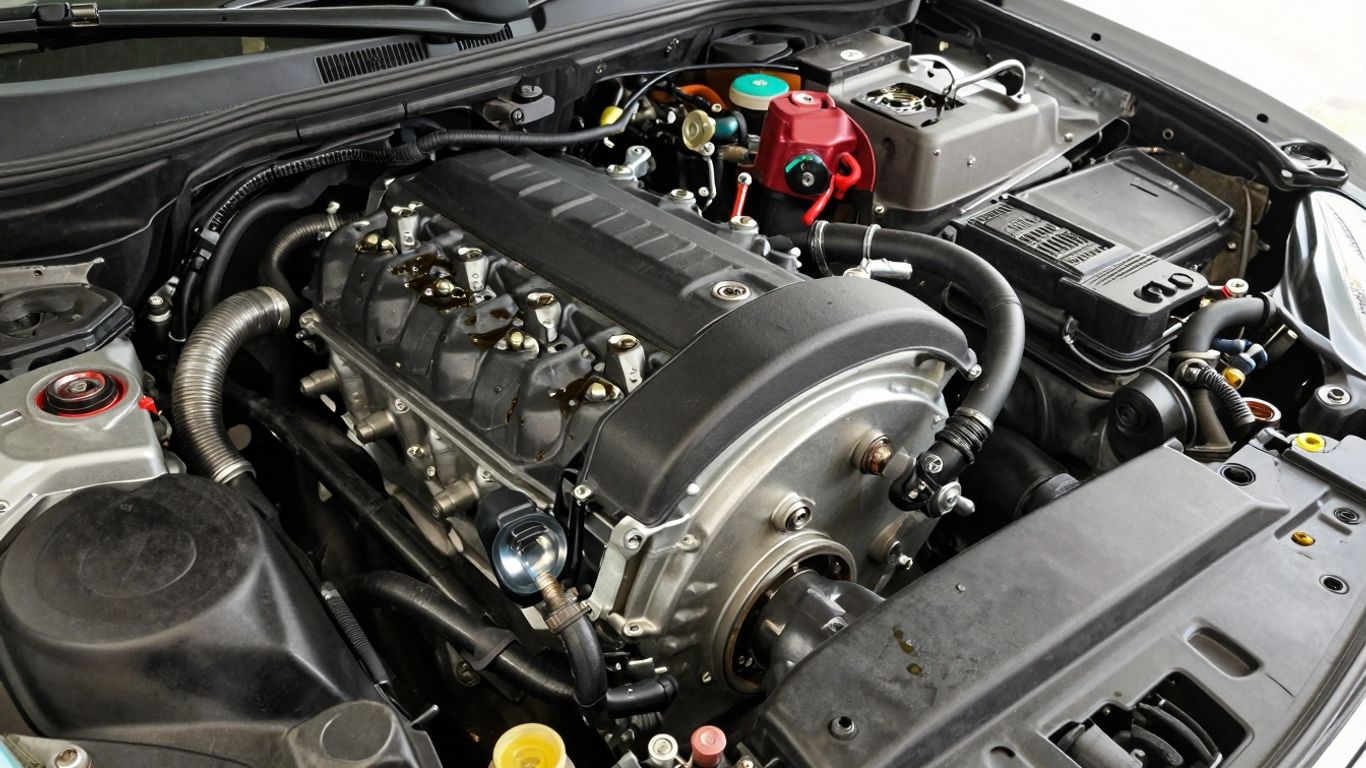
Keeping an eye on what your Nissan’s engine is telling you is pretty important for making it last. Think of it like checking your own pulse or blood pressure – it gives you a heads-up if something’s not quite right before it becomes a big problem. Paying attention to these signals can save you a lot of headaches and money down the road.
The Importance Of Data-Logging
Modern Nissans, especially those with advanced engines like the VR30, have pretty good systems for recording engine data. If you’ve got a tuned car, you can access a ton of information – temperatures, pressures, ignition timing, you name it. This data is gold. It lets you see exactly what the engine is doing, moment by moment. It’s like having a doctor’s report for your car, but you can check it anytime.
Key Engine Parameters To Track
There are a few numbers you should get familiar with. Oil pressure is a big one. You want to see a decent reading when the engine is idling, usually above 20 PSI. When you’re really pushing it, that number should climb, often to 50 PSI or more. Charge air temperatures are also worth watching, especially on turbocharged models. If these get too high, it can cause issues. Coolant levels are another simple check; make sure they’re stable and within the expected range when the engine is cold.
| Parameter | Idle Reading (Approx.) | WOT Reading (Approx.) | Notes |
|---|---|---|---|
| Oil Pressure (PSI) | 20+ | 50+ | Monitor for drops, especially at idle. |
| Charge Air Temp (°F) | Varies | Monitor | Keep below 230°F for optimal performance. |
| Coolant Level | Full (Cold Engine) | N/A | Check for consistent levels over time. |
Recognizing Warning Signs Of Engine Trouble
Sometimes, the car will give you more direct clues. A check engine light is the obvious one, but don’t ignore it. Sometimes, codes might show up that don’t trigger a light on the dashboard, which is why scanning for them regularly is a good idea. You might also notice things like rough idling, especially when the engine is cold, or unusual noises like knocking. These aren’t things to brush off. They’re your engine’s way of saying, "Hey, something’s not right here!"
If you’re not sure what a specific reading means or if a noise is normal, it’s always better to ask. A quick chat with a mechanic or someone who knows these engines well can prevent a small issue from turning into a major repair. Don’t wait until the problem is obvious; by then, it’s usually much more serious and expensive to fix.
Keep Your Nissan Running Strong
So, that’s the rundown on keeping your Nissan engine happy. It might seem like a lot, but really, it boils down to paying attention. Regular checks, sticking to a service schedule, and just listening to your car when it makes a funny noise can make a huge difference. Think of it like this: a little effort now saves you a big headache, and a lot of cash, down the road. Plus, who doesn’t want their car to run well for as long as possible? It’s all about giving your Nissan the care it deserves so it can keep taking you wherever you need to go, without any drama.