Your Nissan’s clutch and transmission are hard workers, and like any part, they can wear out over time. You might not even realize there’s a problem until something feels really off. But paying attention to a few key signs can help you catch issues early, saving you from bigger headaches and repair bills down the road. When to replace Nissan clutch and transmission parts isn’t always obvious, but knowing what to listen and feel for can make all the difference.
Key Takeaways
- Listen for unusual noises like grinding or whining from the gearbox, and pay attention to how the clutch pedal feels – is it spongy, stiff, or vibrating?
- Notice if your engine revs up but the car doesn’t speed up (slipping clutch) or if gears are hard to shift or slip out on their own.
- Watch for dashboard warning lights, especially the “Check Engine” light, and be aware of any burning smells from the transmission fluid.
- Transmission fluid leaks under your car are a serious sign of trouble that needs immediate attention to prevent damage.
- Addressing clutch and transmission problems early prevents further damage to your drivetrain, keeps your Nissan safe to drive, and avoids much more expensive repairs later.
Recognizing Signs of Clutch Wear
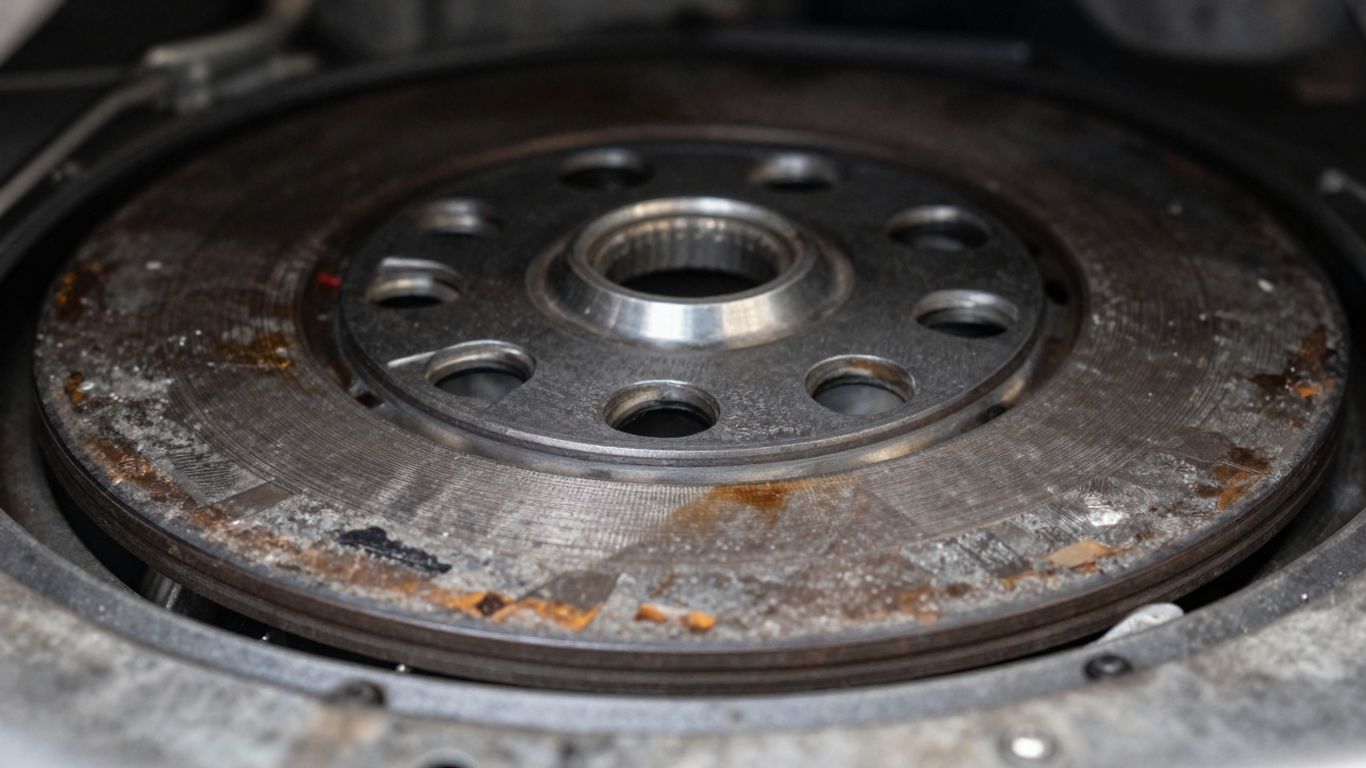
Your Nissan’s clutch is what lets you switch gears smoothly and sends power from the engine to the wheels. It’s a part that wears out over time, just like anything else. Catching the early signs that your clutch is going bad can save you a lot of headaches and money down the road. Ignoring these signals can lead to bigger problems, potentially damaging your transmission too.
Slipping Clutch: Engine Revs Without Acceleration
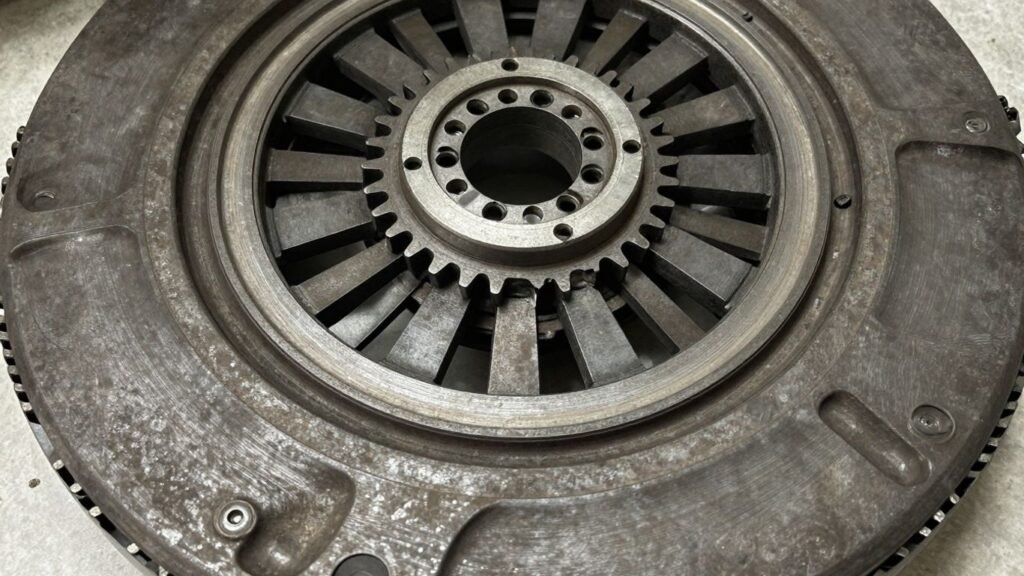
This is probably the most common sign that your clutch is on its last legs. You’ll notice that when you press the gas pedal, the engine RPMs go up, but your car doesn’t pick up speed like it should. It feels like the engine is working hard, but the car isn’t moving any faster. This usually happens because the clutch disc, the part that grips the engine’s flywheel, is worn out and can’t make a solid connection anymore. It’s especially noticeable when you’re trying to accelerate in higher gears or when going up a hill.
The car feels sluggish, like it’s not getting all the power it should.
Difficulty Shifting Gears
If you’re finding it tough to get your Nissan into gear, especially first or reverse, your clutch might be the culprit. This usually means the clutch isn’t fully disengaging when you press the pedal. When the clutch doesn’t separate the engine from the transmission completely, it makes it hard for the gears to mesh properly. You might hear grinding noises, or the gear stick might feel stiff and resistant when you try to move it.
Clutch Pedal Sensations: Spongy, Stiff, or Vibrating
The way your clutch pedal feels under your foot can tell you a lot. A pedal that feels soft or ‘spongy’ and only engages very close to the floor could mean there’s air in the hydraulic system or a leak. If the pedal feels unusually stiff and hard to push down, it might be a sign that the pressure plate is wearing out. Sometimes, you might feel a pulsing or vibration through the pedal when you press it, which could point to issues with the flywheel or the clutch disc itself.
Paying attention to these changes in how your clutch pedal feels and operates is key to diagnosing potential problems before they become major issues.
Transmission Performance Indicators
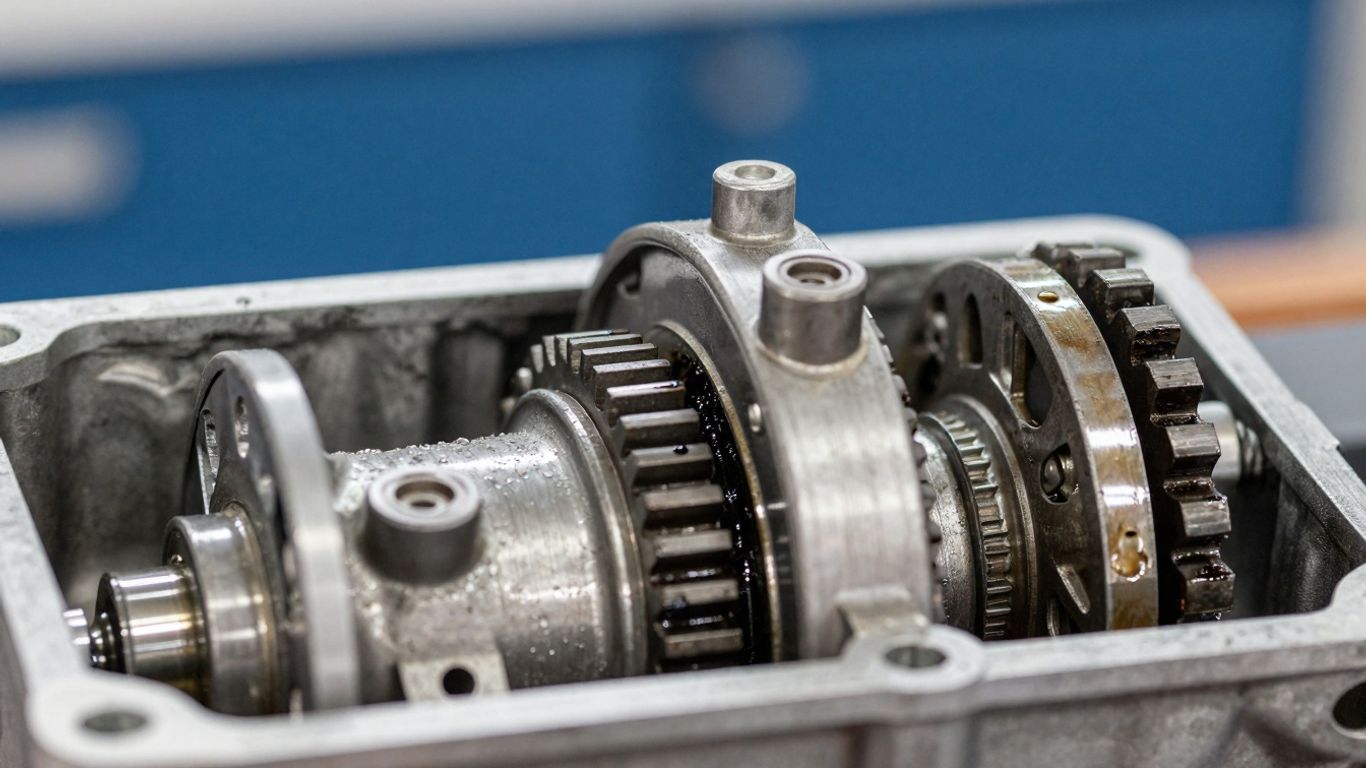
Sometimes, your Nissan’s transmission will start acting up in ways that are hard to ignore. These aren’t just minor annoyances; they’re signals that something’s not quite right under the hood and could lead to bigger problems if left unchecked.
Delayed or Rough Gear Shifts
When you shift gears, whether it’s from park to drive or between gears while moving, it should feel pretty smooth. If you notice a delay, a clunk, or a general roughness during these shifts, that’s a sign. It might feel like the transmission is hesitating before engaging the next gear, or it might jolt you a bit. This can happen with both automatic and manual transmissions, though the feeling might be slightly different. For automatics, it could be an issue with the hydraulic system or electronic controls. With manuals, it might point to clutch issues or internal wear.
Gears Slipping Out of Position
This is a more serious one. Imagine you’re driving along, and suddenly, your car feels like it’s dropped into neutral all by itself, or the engine revs up without the car speeding up. That’s your transmission slipping out of gear. This can be a real safety hazard, especially if it happens when you’re in traffic or on the highway. It often means there’s a problem with the transmission’s internal components, like worn bands or clutches, or perhaps a low fluid level that’s not providing enough pressure to keep the gears engaged.
Unusual Noises from the Gearbox
Your transmission shouldn’t be making a lot of noise. If you start hearing new sounds coming from that area, it’s time to pay attention. A whining noise that changes pitch with your speed, a grinding sound when you shift, or even a humming noise could all indicate trouble. For Nissans with Continuously Variable Transmissions (CVTs), which are common in many models, a persistent whirring or whining sound is particularly concerning, as these transmissions are designed to be very quiet. These noises can point to worn bearings, low fluid, or other internal damage.
Paying attention to these performance changes is key. They’re your car’s way of telling you it needs attention before a small issue becomes a major, expensive repair. Don’t just turn up the radio to drown out the noise; investigate the cause.
Warning Signals from Your Nissan
Sometimes, your Nissan will give you a heads-up that something’s not quite right with the transmission. It’s like the car is trying to tell you it needs some attention before a small issue turns into a big, expensive problem. Paying attention to these signals can save you a lot of headaches and money down the road.
Dashboard Warning Lights Illuminate
Modern cars are pretty smart these days, and your Nissan is no exception. If a warning light pops up on your dashboard, especially the "Check Engine" light or a specific transmission warning, don’t just brush it off. Even if the car seems to be driving okay, these lights are triggered by sensors that are constantly monitoring the health of your transmission. They can point to anything from a faulty sensor to internal issues within the gearbox. A quick diagnostic scan can often tell you exactly what the car is complaining about.
Burning Odor from Transmission Fluid
That acrid smell? It might be your transmission fluid getting too hot. Transmission fluid does more than just lubricate; it also helps keep things cool. Over time, or if the fluid level is low, it can lose its effectiveness. When this happens, parts can overheat, leading to friction and potential damage. If you notice a burning smell, it’s a good idea to pull over safely and check things out. Ignoring this could mean a minor fluid issue turns into a major component failure.
Noticeable Decrease in Fuel Economy
This one might seem a bit odd, but it’s a real indicator. If your Nissan suddenly starts guzzling more gas than usual, and you haven’t changed your driving habits or tire pressure, your transmission could be the culprit. A transmission that isn’t working right might make the engine work harder than it needs to, or it might not shift into the most efficient gear. This extra effort translates directly into more trips to the gas station. It’s a subtle sign, but definitely worth investigating if your MPG takes a nosedive.
It’s easy to overlook subtle changes in how your car drives, especially if you’re used to the daily commute. But those little quirks, like a slight hesitation or a change in engine sound, are often your car’s way of communicating. Listening to your vehicle and responding to its signals is key to keeping it running smoothly and preventing bigger issues.
Understanding Transmission Fluid Issues
Transmission fluid is like the lifeblood of your Nissan’s gearbox. It does a lot more than just keep things slippery; it’s also responsible for cooling down the hot components and making sure everything inside runs smoothly. When this fluid gets old, dirty, or low, it can cause all sorts of problems.
Transmission Fluid Leaks Under the Vehicle
If you’ve ever parked your car and noticed a puddle underneath, especially if it’s reddish or brownish, that’s a big red flag. This usually means there’s a leak somewhere in the transmission system. It could be a cracked pan, a worn-out seal, or even just a loose plug. When the fluid level drops too low, the transmission can’t cool itself properly, leading to overheating and serious internal damage. Think of it like running an engine without oil – it’s not going to end well.
The Role of Transmission Fluid in Cooling and Lubrication
This fluid is constantly circulating, carrying heat away from the transmission’s moving parts and dissipating it. It also keeps all those gears, bearings, and clutches well-oiled, reducing friction and wear. Over time, though, the fluid breaks down. It can get contaminated with tiny metal particles from wear and tear, or it can simply lose its effectiveness. If you notice a burnt smell coming from your car, it’s often a sign that the transmission fluid has overheated and degraded, losing its ability to protect the gearbox. This is why regular checks and changes are so important – it’s preventative maintenance that can save you a ton of headaches and money down the road.
The Importance of Timely Replacement
Preventing Further Damage to Drivetrain Components
Putting off a clutch or transmission issue is like ignoring a small leak in your roof; it might seem minor now, but it can quickly turn into a much bigger, more expensive problem. When your clutch starts slipping or your transmission grinds, it’s not just an annoyance. These symptoms often mean that parts aren’t engaging properly, causing extra friction and wear on other connected components. Think of your transmission, flywheel, and even engine mounts – they all rely on the clutch working right. Letting a worn clutch hang on can put undue stress on these parts, potentially leading to a cascade of failures. Addressing these issues promptly can save you from a much larger repair bill down the road.
Ensuring Vehicle Safety and Reliability
Your Nissan is designed to be dependable, and a properly functioning clutch and transmission are key to that. When these systems start acting up, your car’s ability to accelerate, decelerate, and shift smoothly can be compromised. This isn’t just about comfort; it’s about safety. Imagine trying to merge into traffic and your car hesitates, or needing to brake suddenly and the transmission doesn’t downshift properly. These aren’t situations anyone wants to be in. Regular checks and timely replacements mean your Nissan will be there for you when you need it, whether it’s a daily commute or a long road trip.
Avoiding Costly Transmission Repairs
Transmission repairs are often among the most expensive fixes a car owner can face. The transmission is a complex piece of machinery, and when it breaks down, it usually means a significant overhaul or even a full replacement. Many transmission problems start small, often stemming from issues with the clutch system or worn-out transmission fluid. By paying attention to the early warning signs we’ve discussed and getting your clutch and transmission serviced when needed, you’re essentially performing preventative maintenance on one of your car’s most vital and costly systems. It’s a smart move that keeps your car running smoothly and your wallet a bit happier.
Ignoring the subtle signs your Nissan is giving you about its clutch or transmission can lead to a domino effect of damage. What starts as a minor inconvenience can escalate into major mechanical failures, impacting not just your car’s performance but also your safety on the road. Being proactive with maintenance is always the better, and often cheaper, route.
Wrapping It Up
So, keeping an eye on your Nissan’s clutch and transmission is pretty important. You know, those weird noises, the way the pedal feels, or if it’s just not shifting right – these aren’t things to just brush off. Ignoring them can turn a small fix into a big, expensive headache, and nobody wants that. Paying attention to these signs means you can catch problems early, saving yourself some cash and keeping your ride running smoothly. If you’re hearing funny sounds or feeling something off, it’s probably a good idea to get it checked out by a mechanic. Better safe than sorry, right?