Key Takeaways
- Finding the right Nissan 200SX wreckers Sydney requires checking licensing and business reputation.
- Local salvage yards provide critical access to rare JDM-spec components for performance builds.
- Selling unwanted vehicles to a wrecker often includes free pickup and immediate cash payment.
- Verifying the structural health of used panels and mechanical integrity is essential before installation.
- Automotive dismantling in Australia reduces material waste while supporting the secondary market for parts.
Understanding the role of Nissan 200SX wreckers in Sydney
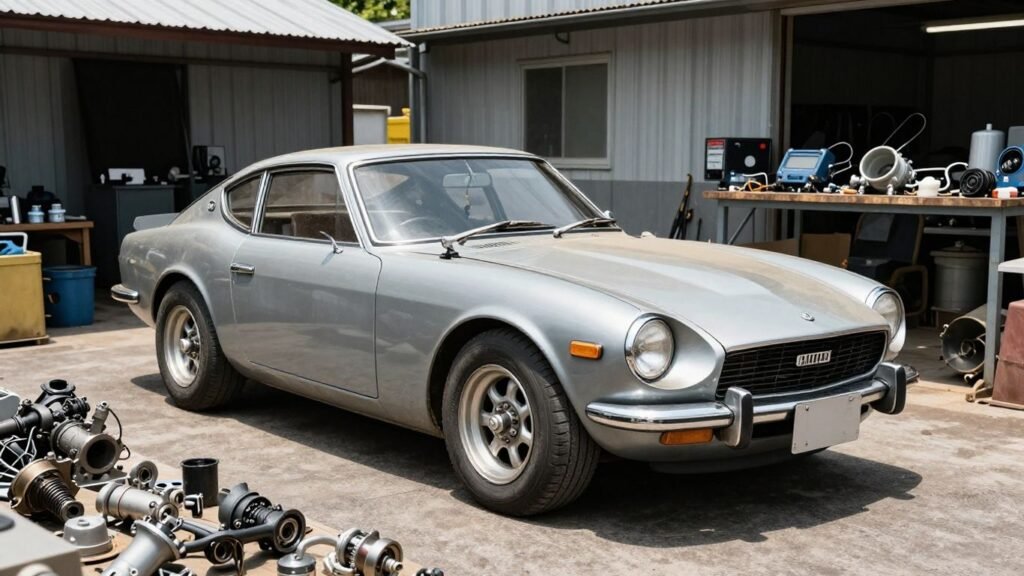
Reliable local salvagers play a massive part in keeping these classic sports cars on the road today. Without these dedicated facilities, finding niche components for a aging chassis would be near impossible for the average enthusiast. Professionals like Sydney Auto Spares & Dismantlers are often the first stop for someone trying to hunt down hard-to-find replacements for their daily driver or restoration project.
How vehicle dismantling supports the secondary auto market
When a vehicle reaches the end of its life, it does not necessarily mean the end of its useful components. Dismantlers recover functional parts that factory manufacturers may have long since discontinued, keeping older models running far longer than original plans allowed. This process creates an accessible ecosystem for affordable maintenance that prevents functional vehicles from sitting idle due to minor mechanical failures.
Why the 200SX remains a high-demand vehicle for parts
There is a massive following for the 200SX because it represents a golden era of engineering. Because these cars often end up on tracks or undergo heavy modifications, engines and drivetrain components are constantly entering and exiting the market. Enthusiasts are always searching for specific parts, which makes dedicated wreckers the primary hub for stock parts that maintain or improve the driving experience.
The benefits of sourcing specialized JDM components locally
Shipping rare parts from overseas is expensive, risky, and slow. By sourcing from a local Sydney wrecker, you can physically inspect the goods before spending your money. This allows for immediate verification of part numbers and condition, which is a major advantage for anyone operating on a tight timeline to get their car back onto the bitumen.
Economic advantages of recycling parts over buying new
Choosing a salvaged part is almost always cheaper than hunting for a new original equipment manufacturer item. Often, the quality of a well-maintained used part is perfectly acceptable for the needs of a street-driven 200SX. It is a practical solution that balances financial restraint with the necessity of quality repairs.
How to verify the reliability of a car wrecker
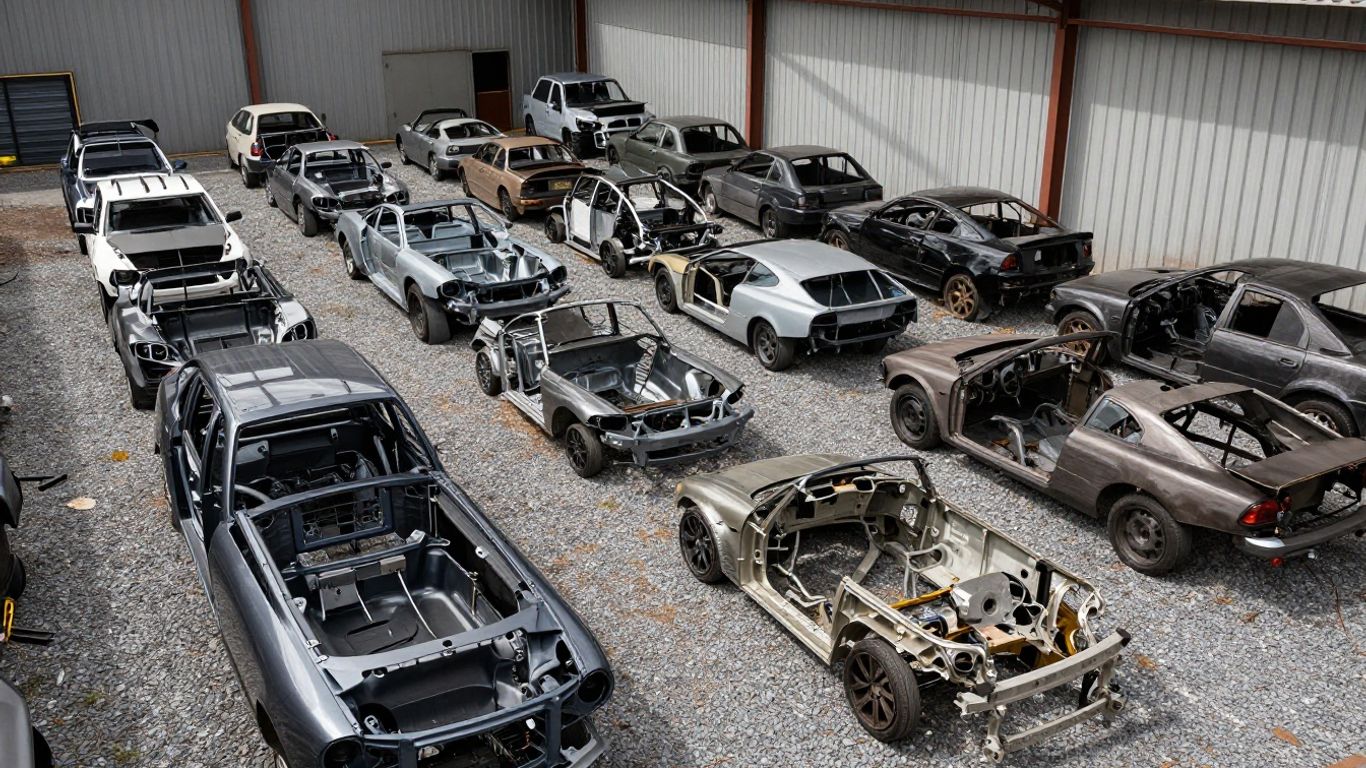
Choosing a professional yard is the safest way to avoid getting parts that show up broken or fail after a few weeks. Transparency from the business owner is almost always a sign that they care about their reputation and future business. It makes sense to take a moment to look at how they handle their inventory before you commit to a purchase.
Checking business credentials and licensing in New South Wales
It is vital to confirm that your chosen wrecker operates within the state’s legal framework for automotive recycling. Registered yards follow specific protocols concerning hazardous materials and environmental safety. A legitimate business will usually have their registration visible, and they should be comfortable providing details about their legal status upon request.
Evaluating customer satisfaction through reviews and industry reputation
Looking at online testimonials and word-of-mouth feedback provides a clear picture of what to expect during a transaction. Many long-standing shops exist, but their quality levels can fluctuate based on management changes or inventory turnover. If previous customers consistently note clear communication and honest pricing, you are likely in a good spot to proceed.
Assessing the transparency of the vehicle sourcing process
Ask questions about where the vehicles in the yard come from and how long they have been sitting. A professional facility will keep records of incoming stock to ensure they are not dealing with improperly obtained vehicles. Knowing the history behind the parts you are buying can often help you gauge the level of care that has been applied throughout the dismantling phase.
What to look for in a professional dismantling facility
Look for a clean workspace, organized shelves, and a team that understands the specific needs of a performance car owner. If the yard looks chaotic, the parts themselves are likely treated with the same lack of care. A well-organized environment almost always points toward a higher standard of technical expertise among the staff.
Searching for rare 200SX parts at Sydney salvage yards
Turning up a hidden gem in a salvage yard requires a bit of patience and a good eye for cross-compatible components. Even when you are specifically hunting for 200SX parts, sometimes related models like the Silvia offer a compatible path forward. Experienced shops like Skyline Spares focus on providing mechanical, exterior, and interior components from various imports to help you locate exactly what is needed.
Navigating compatibility between Silvia and 200SX componentry
Because these vehicles share much of the same platform engineering in Japan, many parts are interchangeable between the Silvia and 200SX chassis. You should verify engine codes and trim series before making a purchase. Being aware of these shared DNA traits can effectively double the number of donor vehicles available for sourcing your specific repair needs.
Efficiently searching physical yard stock and digital databases
Most modern yards maintain a digital inventory that is updated frequently, allowing you to search for parts from your desk. Do not hesitate to call the front desk directly if their online stock looks empty. Often, parts move so fast that the latest arrivals have not even been processed into the computer system yet, meaning a simple phone call could find you the missing part.
The importance of inventory turnover for older performance cars
As interest in classic Japanese cars increases, inventory churns quickly in local yards. You need to be ready to act fast when a donor car hits the floor. It is common for popular mechanical components like gearboxes or differential parts to be claimed within days, so frequent check-ins are much more effective than occasional browsing.
Distinguishing between high-performance mechanical parts and body trim
Mechanical parts require a different standard of inspection than cosmetic body trim. While a small dent on a body panel might be an acceptable trade-off for a rare part, any sign of heat damage or metal fatigue on a mechanical component is a red flag. Always separate your priorities based on whether the component dictates the car’s safety and operability versus its aesthetic appeal.
Selling your damaged or unwanted Nissan 200SX
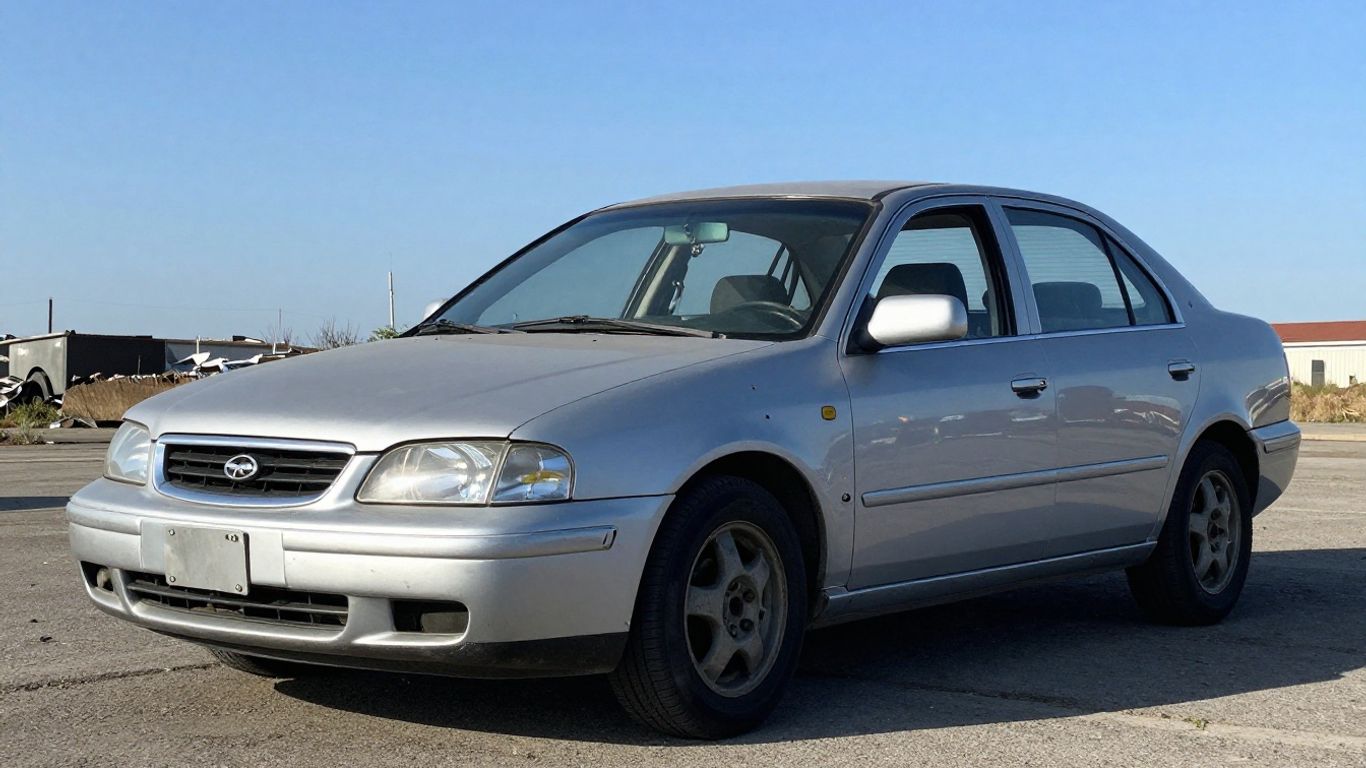
When the time comes to let go of your car, finding a reputable buyer makes the process painless. You want someone who offers a fair valuation based on the actual metal and viable component value. Whether you are dealing with Niss 4X4 autospares or another local specialist, a smooth removal process is the end goal for every owner.
Determining the scrap value of non-running or wrecked vehicles
Scrap value typically hinges on the weight of the vehicle and the rarity of the parts that can be salvaged. Most responsible buyers will factor in the condition of the engine, the availability of interior electronics, and the state of the chassis. Do not assume your car is worth nothing just because it will not start; it might still hold immense value for someone looking for rebuildable components.
Preparing your 200SX for accurate valuation by a professional
Empty the vehicle of personal belongings and take clear photos showing the current condition of the body and major mechanical points. Being upfront about what is missing or broken helps the buyer give an accurate price immediately, avoiding arguments during the final handover. Honesty about the car’s state usually results in a faster sale and payout.
Essential documentation required for a legal ownership transfer
Transferring ownership requires you to have the title or registration documents in order. Ensure you have proof of ownership ready to sign over when the towing crew arrives for the vehicle. This step is non-negotiable for anyone who wants to ensure they are no longer liable for the car once it leaves your property.
Coordinating safe, free, or paid car removal services in Sydney
Many Sydney wreckers will offer free towing if the vehicle is deemed to have enough parts value. This service is a standard part of the transaction for most professional buyers. Be very clear about the location of the vehicle and any access issues, such as narrow driveways or tight corners, to ensure the tow truck operator can reach the car safely.
Inspecting and testing used auto parts before installation
Always perform a dry fit or basic test as soon as you bring a part home. Even if the seller gives you a verbal confirmation of working order, you are the one responsible for your car’s safety once the part is bolted on. Developing a simple testing checklist can often save you from hours of frustration later on.
Identifying common patterns of wear in engine and drivetrain components
Look closely at seals, gaskets, and areas where fluid might have leaked under previous ownership. Check for excessive play or rattling in drivetrain parts, as these noises are silent killers of performance car longevity. If you find signs of extreme heat exposure on wiring looms or sensors, reconsider using those parts in your own build.
How to test electrical systems and sensors from a donor car
If the donor car is still available for parts, ask to test the electrical sensors while the engine is still intact. Use a multimeter to check for resistance and voltage output, which provides a much better indicator of health than a visual inspection. Properly sealed plugs and clean pins are your best indication that the electrical component has not been exposed to excessive moisture.
Evaluating the structural integrity of panels and non-mechanical parts
When buying body panels or trim, inspect the underside for hidden rust or previous collision repairs. Often, a panel will look great on the surface but hide filler or distorted metal that will never sit straight on your frame. Bring a magnet with you to help detect any body filler that might be hidden beneath a layer of fresh paint.
Why securing a parts warranty is critical for long-term repairs
Even with the best inspection, some internal failures simply cannot be seen until the part is under load. Verify that the shop offers some form of warranty period, usually 30 to 90 days, on major mechanical components. This agreement is the ultimate safety net, ensuring you are not stuck with an expensive, non-functional piece of metal if things go south.
Sustainable practices in the Sydney automotive dismantling industry
Responsible recycling in the automotive sector prevents hazardous materials from leaching into our local Sydney environment. By choosing to salvage and reuse, we collectively reduce the demand for new production and minimize the carbon footprint associated with manufacturing new parts. It is a win for the garage and the planet alike.
Measuring the environmental impact of vehicle material recycling
Every ton of steel or aluminum reclaimed through dismantling is a ton that does not need to be mined and refined from scratch. This process drastically reduces energy consumption compared to the primary production cycle. Many yards now track their output to report on the volume of metal kept out of landfills, proving that the industry is becoming more data-driven about its green credentials.
Best practices for managing hazardous fluids and lead-acid batteries
Handling coolant, oil, and brake fluid requires specialized containment to prevent soil contamination. Professional yards prioritize the safe draining and filtering of these chemicals before they can reach the water table. Batteries are similarly treated as high-risk items, with dedicated recycling streams that recover metals and neutralise acidic components for safe disposal.
How local wreckers reduce automotive footprint in New South Wales
By keeping thousands of parts circulating annually, Sydney-based wreckers ensure that the total lifecycle of an automotive asset is extended to its absolute maximum. This reduces the pressure on our waste management facilities and keeps costs manageable for drivers. It is a refined approach to resource management that serves both the economy and the local ecosystem.
Future trends in sustainable car recycling and salvage logistics
Future advancements in logistics and inventory tracking will continue to improve the recovery rates of parts from decommissioned vehicles. Expect to see more automation in identifying and categorizing plastic trims and composite materials that are traditionally difficult to recycle. As these practices scale, the automotive industry will become an even more efficient circle of materials, with even better results for the public.
Conclusion
Finding quality components for a car as iconic as the 200SX is an ongoing effort that benefits from the expertise of local wreckers who understand the value of these vehicles. By focusing on reputable suppliers and conducting proper checks during the inspection process, you can maintain your car effectively while contributing to a circular economy. Whether you are searching for a rare trim piece or selling a non-running project, engaging with a professional, licensed facility in Sydney ensures your vehicle’s legacy continues in the hands of others or as part of the broader automotive network.