Key Takeaways
Finding a suitable motor for your vehicle requires careful research and systematic verification of part specifications. These points summarize the essential steps to navigating the secondary market for automotive power plants.
- Identifying the exact engine code ensures compatibility with existing mounts and sensors.
- Checking transmission and peripheral component matching prevents installation delays.
- Sourcing from specialized wreckers in Melbourne offers higher reliability than general marketplaces.
- Conducting thorough visual and mechanical inspections mitigates the risk of purchasing damaged inventory.
- Reviewing written warranty agreements protects your investment against unforeseen premature mechanical failure.
Understanding your engine compatibility requirements
Navigating the replacement process starts with a precise technical assessment of your current vehicle setup. Mismatched components or incorrect engine variants often lead to prolonged downtime and unnecessary expense during the swap process.
Identifying your specific engine code
Every vehicle produced carries a unique identifier stamped onto the cylinder block that dictates its specific hardware configuration. Before searching, verify this alphanumeric code to ensure the replacement unit utilizes the same bolt patterns and sensor architecture as your original motor.
Checking transmission and component compatibility
Integrating a donor motor into your chassis often involves ensuring the transmission housing aligns correctly with the new block. The following table illustrates common compatibility factors that mechanics evaluate during the selection process.
| Feature | Compatibility Factor | Impact on Installation |
|---|---|---|
| Bolt Pattern | Bell housing alignment | Requires matching transmission interface |
| Wiring Harness | Sensor plug types | Influences electrical system integration |
| Mount Positions | Chassis support points | Impacts physical engine placement |
Selecting components that align with your vehicle architecture reduces the need for custom fabrication or aftermarket adapters, keeping the replacement cost manageable.
Verification through VIN matching
Using the Vehicle Identification Number acts as the definitive method for cross-referencing your car’s original equipment against potential donor engines. By comparing these sequences, you confirm that the internal components and emission systems match the engineering standards set by the manufacturer for your specific year and model.
Where to source affordable Nissan engines in Melbourne
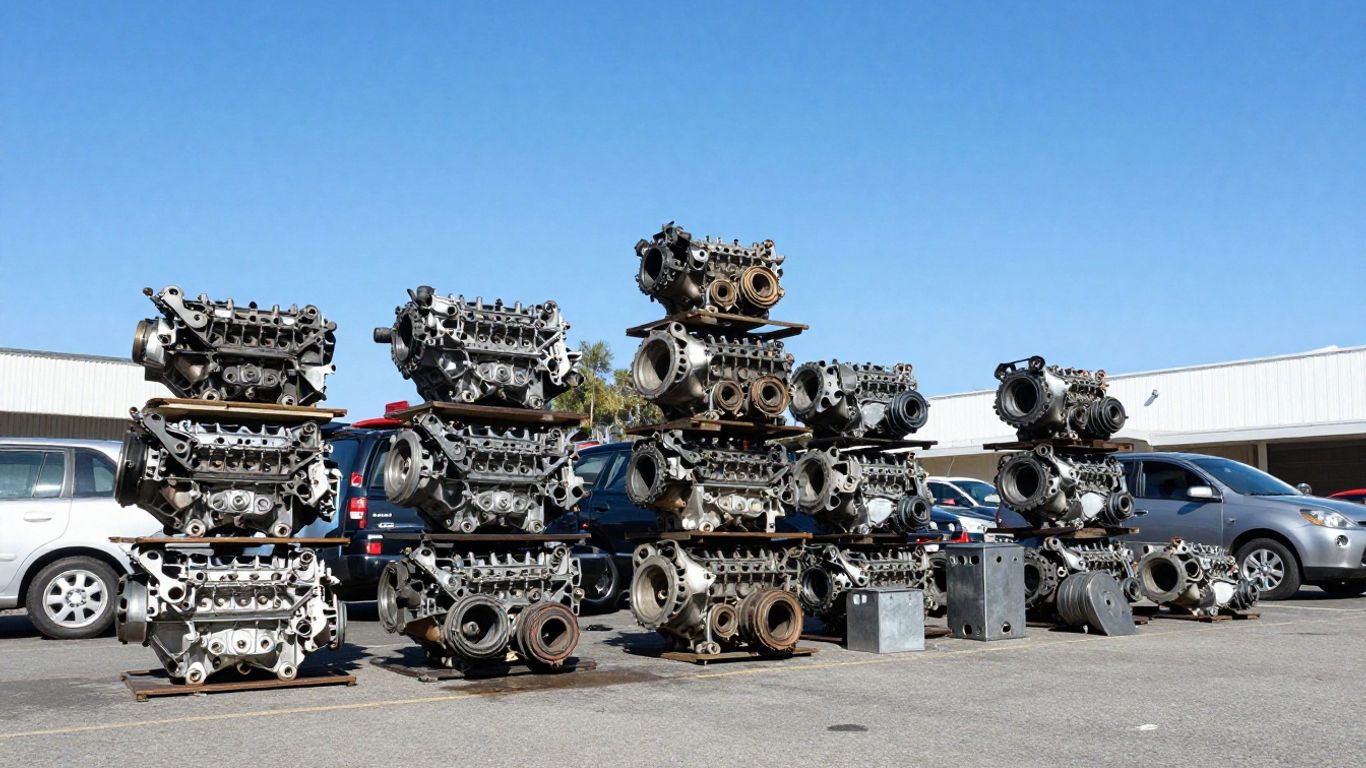
Locating high-quality components requires knowledge of the local landscape and an understanding of which suppliers value technical reliability. Finding cheap used Nissan engines for sale Melbourne often involves looking beyond generic lists to find specialized suppliers.
Exploring local auto wreckers in the Melbourne region
Local wreckers often carry a diverse inventory of vehicles that have been retired from service. These businesses serve as primary hubs where you can inspect parts directly to verify their physical condition before finalizing a purchase.
Searching online marketplaces and dealer databases
Digital platforms allow you to compare inventory across a broader geographic range, providing quick access to pricing data. Platforms like those managed by Niss4x4 allow buyers to filter options based on specific year and displacement requirements, streamlining the search for reliable motors.
Benefits of specialist Nissan importers
Specialist importers focus their attention on specific brands, maintaining a deeper knowledge of regional engine variants and typical wear patterns. Companies such as Just Nissans maintain inventories of tested motors that have undergone initial verification, which can simplify the process for owners seeking a direct replacement without hidden mechanical flaws.
Assessing the condition of a used engine
Determining the health of a secondary motor requires a blend of documented service history and hands-on investigation. Engines that have seen consistent maintenance cycles generally offer longer operational lifespans for the new owner.
Evaluating engine mileage versus service history
While odometer readings provide a general guideline, they represent only half of the story regarding internal wear. A engine with slightly higher mileage but a documented history of regular oil changes and filter replacements is often preferable to a lower-mileage unit that suffered from neglect.
Performing a visual inspection for leaks and damage
During a walk-around, look for signs of oil or coolant seepage around gaskets and seals. Cleanliness around the rocker cover and oil filter housing can reveal how well the previous owner attended to basic maintenance needs.
Reviewing compression test results
Compression numbers provide a quantitative look at the health of the internal cylinders. A consistent range across all pistons is a strong indicator that the rings and valves maintain proper sealing, which represents a stable foundation for a long-lasting engine.
Navigating warranties and return policies
Establishing clear expectations regarding potential failure points before signing any paperwork is essential for avoiding financial losses. Understanding what a supplier guarantees will define the level of support you receive should the motor encounter early issues.
Standard dealer warranties vs. "as-is" sales
Professional engine retailers often bundle their units with short-term mechanical warranties, providing a safety net for the initial break-in period. Private sellers usually offer "as-is" transactions, which shift all financial responsibility for repairs onto the buyer the moment the deal closes.
What to look for in a written warranty agreement
Always ensure that any verbal promises regarding coverage are documented explicitly on your invoice or receipt. A robust agreement typically outlines duration, limitations on use, and specific components covered under the protection plan.
A written document confirming coverage details remains the single most effective tool for resolving disputes regarding engine quality or performance. Relying solely on verbal commitments leaves buyers vulnerable to conflicting interpretations during the claims process.
Prioritizing suppliers who provide clear, written documentation creates a safer environment for securing your replacement engine assembly.
Managing expectations for private sellers
Purchasing from a private individual often carries a higher risk profile due to the lack of after-sales support infrastructure. Treat these transactions as final and ensure you have performed maximum due diligence before handing over any payment, as recourse options are extremely limited in these scenarios.
Logistical considerations for engine pickup and transport
Moving a heavy automotive unit safely from the warehouse to your garage demands careful planning. Mishandling during this phase can lead to damage to delicate external sensors or mounting brackets that are essential for the installation.
Choosing between local pickup and professional delivery
Local pickup gives you total control over the handling of the unit, but requires a vehicle capable of managing significant weight. Professional freight services used by established suppliers often include specialized heavy-duty transport, which minimizes the risk of impacts or tipping during transit.
Handling heavy freight safety requirements
Engine blocks are dense and can easily cause injury if not secured properly. Ensure the unit is strapped and stabilized on a pallet if using professional freight, and use appropriate lifting equipment like engine hoists and load levelers during personal transport.
Preparing your workspace for engine reception
Clear a dedicated, level area in your workshop or garage where the motor can be stored safely before it enters the engine bay. Having an engine stand ready allows you to perform final preparatory work and minor accessory exchanges comfortably at a safe working height.
Installation and post-purchase best practices
Finalizing the integration of your new motor involves a series of critical preparatory steps before the initial startup. Treating this phase with patience helps guarantee the reliability of your machine for the long haul.
Essential maintenance before the first startup
Fresh fluids and new filters are a mandatory inclusion for any replacement motor. Replacing the timing components, water pump, and drive belts at this stage is much easier than performing the work after the motor is installed and secured in the engine bay.
Recommended accessories to replace during the swap
Swapping an engine is the perfect window to renew hoses, spark plugs, and ignition wires. These consumable parts are often inexpensive but are major contributors to consistent performance and engine economy once the vehicle returns to active service.
Testing procedures for engine performance validation
Once installed, monitor the oil pressure, coolant temperatures, and idle stability during the first few hours of operation. A gradual break-in period allows all moving parts to settle and provides an opportunity to catch minor leaks or electrical connection issues before they develop into serious mechanical faults.
Conclusion
Securing a replacement motor within the Melbourne area is a manageable project when approached through systematic verification and responsible sourcing. By prioritizing compatibility checks, evaluating mechanical health, and documenting your purchase agreements, you can successfully restore your vehicle to peak operation while managing your budget effectively.