Key Takeaways
Transitioning to salvaged vehicle components offers a sustainable and economical alternative for vehicle maintenance in the Hunter Valley. Understanding local wrecking yard standards ensures that you receive functional items that meet your specific requirements.
- Recycled parts offer significant price advantages compared to premium OEM alternatives.
- Reliable wreckers provide transparent warranty policies on critical mechanical assemblies.
- Proper VIN matching prevents compatibility issues with JDM or local Australian specifications.
- Inspecting electrical and mechanical integrity before purchase minimizes your risk of failure.
- Delivery logistics across Newcastle affect the final total cost of heavy salvaged goods.
Why choose recycled Nissan parts
Choosing recycled components allows vehicle owners to maintain their cars while avoiding the high costs associated with brand-new replacement parts. This approach supports a sustainable automotive ecosystem by extending the lifecycle of durable metal and plastic assemblies. Many workshops in the New South Wales region now prioritize these parts to offer affordable service options for their clients.
Cost savings compared to new OEM
When repairing your vehicle, opting for salvaged parts can significantly reduce your repair bill. While parts sourced directly from a manufacturer might carry a premium, recyclers provide functional alternatives at a fraction of that expenditure.
Environmental benefits of circular automotive parts
Repurposing existing steel, aluminum, and plastic components reduces the demand for raw material extraction and energy-intensive manufacturing processes. By keeping these materials in use, the community lessens the carbon footprint associated with automotive maintenance.
Assessing quality and longevity of salvaged components
Quality assessment remains paramount when selecting items from a yard, as the material’s history directly influences its future performance. Evaluating wear patterns and structural integrity allows you to gauge how much life remains in a salvaged alternator or suspension component.
Quality evaluation requires examining the component surface for fatigue, checking for fluid leaks, and ensuring that housings remain free from structural compromise to guarantee dependable operation after installation.
Regular inspections and smart sourcing form the foundation of reliable car repairs when using recycled parts.
What to look for in a reputable Newcastle wrecker
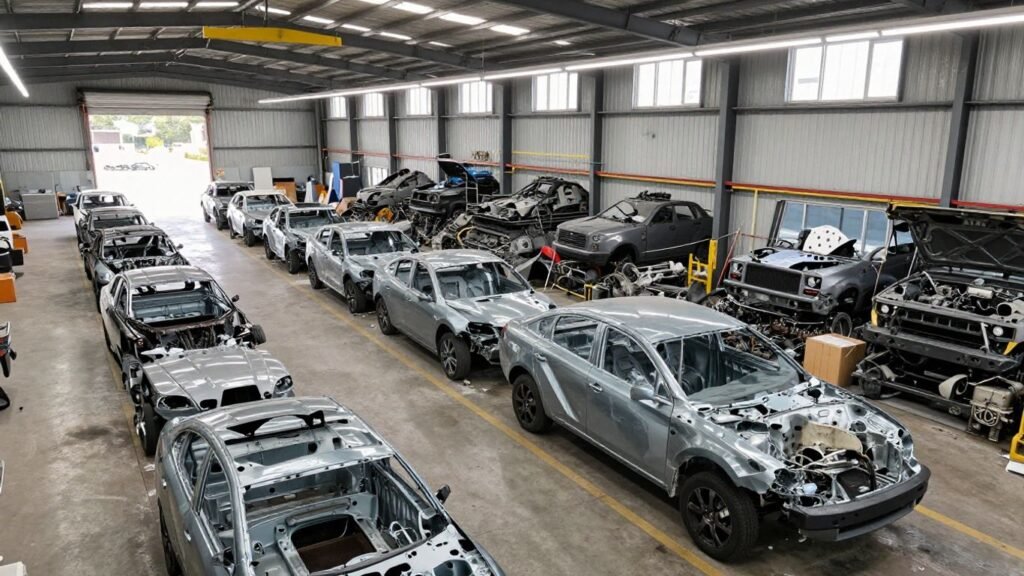
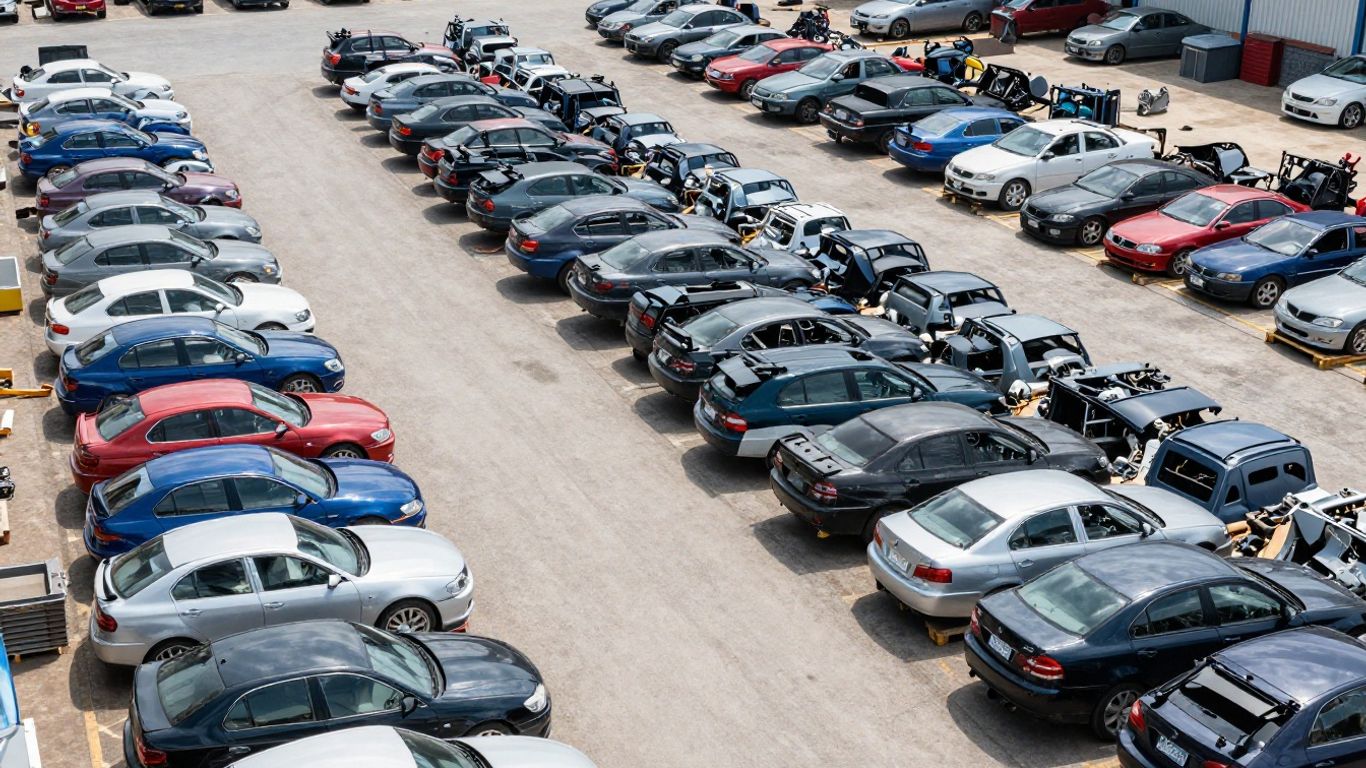
Evaluating the reputation of a local wrecker is essential for any DIY enthusiast or mechanic seeking consistency in their supply. A quality establishment typically maintains an organized yard and operates with clear ethical standards regarding how they dismantle vehicles. Newcastle drivers often rely on these local businesses for immediate access to essential mechanical parts instead of waiting for delayed orders from overseas suppliers.
Professional licensing and industry certifications
Reputable wreckers hold valid industry licenses that demonstrate compliance with environmental and safety regulations. These credentials signify that the facility manages hazardous fluids and electronic waste according to state laws, protecting both the environment and you as a consumer.
Warranty policies on engines and gearboxes
A solid warranty is the hallmark of a professional wrecker, as it shifts the risk away from the buyer. Before paying for heavy mechanical units, ensure the shop provides specific documentation covering potential defects in engines or gearboxes for a set period following the transaction.
Inventory management and searchable databases
Modern yards utilize sophisticated inventory management systems to track donor vehicles and specific part numbers. Having access to a searchable database allows you to confirm that a desired transmission or door panel is physically in the yard before you travel to the site.
Navigating compatibility for your specific Nissan model
Correct identification is the only way to avoid the frustration of ordering parts that fail to fit your vehicle chassis. Nissan manufactures various iterations of the same model depending on the market and year, making precise verification necessary during the procurement process.
Using part numbers and VIN identification
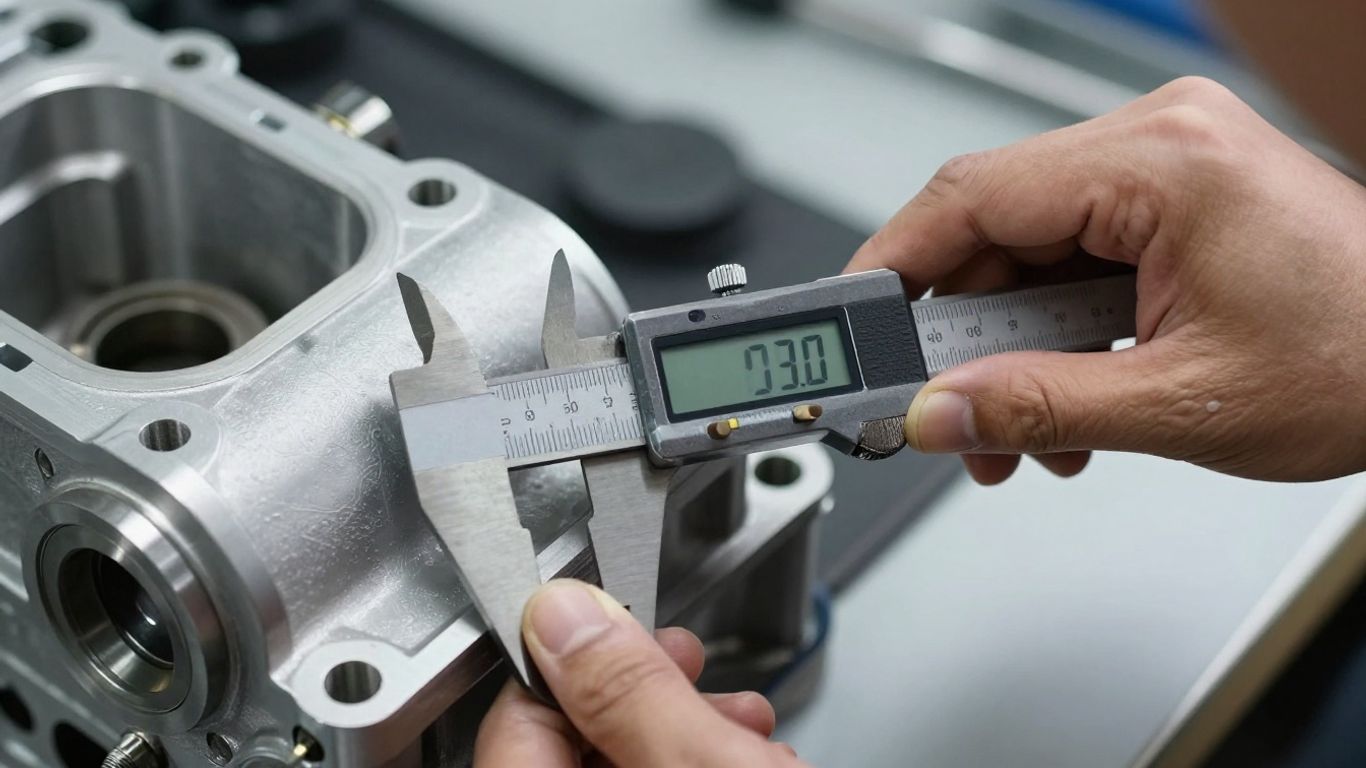
Always match the vehicle identification number (VIN) of your Nissan directly against the donor car’s records. Part numbers etched onto the original component serve as the final verification of compatibility between your vehicle and the recycled unit.
Distinguishing between JDM and Australian compliance versions
Vehicles produced for the Japanese Domestic Market (JDM) often feature subtle differences in electrical harnesses and sensor locations compared to Australian compliance versions. Failing to identify these distinctions can lead to integration errors that prevent the engine or internal hardware from functioning as intended.
Identifying cross-compatibility between different years and models
Some mechanical assemblies can be shared across multiple years or even varying model lines within the broader Nissan catalog. Knowing which parts share dimensions and mounting points can expand your options for finding a suitable fix.
| Part Category | Compatibility Check | Verification Step |
|---|---|---|
| Suspension Struts | Model Year Range | Cross-reference OEM number |
| Brake Calipers | Displacement Size | Compare bolt-hole spacing |
| Radiator Fans | Connector Pattern | Inspect pin configuration |
Verifying these factors ensures that your replacement parts integrate seamlessly without requiring custom fabrications or dangerous workarounds.
Logistics and delivery across the Hunter Region
Transportation of heavy components requires careful planning to ensure the parts arrive in the same condition they were sold in. Whether you choose to collect the item yourself or rely on local freight, the safety of the component depends on how it is handled during the transition from the yard to your workshop.
Local pickup versus regional courier options
Deciding between personal local pickup and engaging a courier depends entirely on the size and weight of the part. Picking up smaller items like mirrors or interior trim pieces is often most efficient when you want to minimize transit time and physical handling risks.
Freight costs and safe packaging for heavy components
Heavy components, particularly engine blocks or transmission systems, require specialized packaging and freight arrangements to prevent damage during regional transport. Reputable suppliers typically crate or palletize these heavy units to protect delicate mounts and electrical sensors during the transit period.
Managing lead times for rare or specialized parts
If you are searching for rare components, you may experience longer lead times while the wrecker carefully extracts and cleans the part from an incoming vehicle. Communicating expectations regarding these timelines ensures that you can plan your vehicle servicing schedule without unnecessary downtime.
Inspecting used parts before you purchase
Before finalizing any transaction, a thorough hands-on inspection of the component provides the insurance you need for long-term reliability. Even when dealing with trusted suppliers, checking for subtle flaws allows you to make an informed decision on whether the part aligns with your budget and technical requirements.
Recognizing red flags for mechanical wear
Excessive play in linkages, signs of overheating, or unusual debris found in mechanical cavities serve as immediate indicators that a part may be near the end of its functional life. Carefully scrubbing away surface grease reveals the true condition of housing walls and bolt threads.
Understanding the importance of service history documentation
Whenever possible, ask for service history or mileage data associated with the donor Nissan vehicle. Knowing the donor car’s maintenance habits provides confidence that an engine or transmission has been treated with care throughout its operational lifespan.
Testing electrical nodes and connection points for integrity
Corrosion on electrical pins or frayed wires at critical connection nodes can cause intermittent issues post-installation. Inspect every terminal with a flashlight to confirm that the electrical path remains clear of oxidation or physical damage.
Conclusion
Finding the right salvaged components in Newcastle is a manageable task when you rely on professional wreckers and perform careful verification. By prioritizing model compatibility, examining mechanical integrity, and choosing reputable inventory suppliers, you ensure that your Nissan remains reliable on the road while benefiting from the circular economy.