Key Takeaways
Finding the right components for your classic Nissan build requires a mix of local networking and technical verification.
- Identify specialized JDM wreckers across Sydney for consistent inventory.
- Always inspect engine components for structural metal fatigue before purchase.
- Leverage active local enthusiast groups to verify seller reputations.
- Use genuine factory components for critical drivetrain and engine assemblies.
- Finalize builds with professional dyno tuning to ensure mechanical safety.
Where to find reputable suppliers in Sydney
Sourcing high-quality parts for your vehicle often involves a mix of physical visits and online inquiries. Proactive searching within local networks usually yields better results than relying solely on high-level internet searches.
Identifying specialized JDM wreckers
Specialized wreckers often serve as the first point of contact for finding rare, older components. These locations maintain an evolving inventory of imported vehicles that can provide salvaged parts you might not find elsewhere.
Leveraging local online automotive marketplaces
Online platforms have become an essential tool for tracking down harder-to-find components in real-time. By setting up saved searches, you can stay competitive when rare items are listed by private sellers.
Connecting with Sydney-based Nissan enthusiast groups
Joining local forums or social media car clubs provides access to community knowledge. This network helps you bypass generic marketplaces, as members often pass along parts between each other to keep vehicles on the road.
Vetting sellers for parts authenticity and condition
Before finalizing any transaction, verify the history and condition of the item. Request clear images or meet in person to confirm that the part serial numbers match your specific repair requirements.
Essential checks before purchasing used performance parts
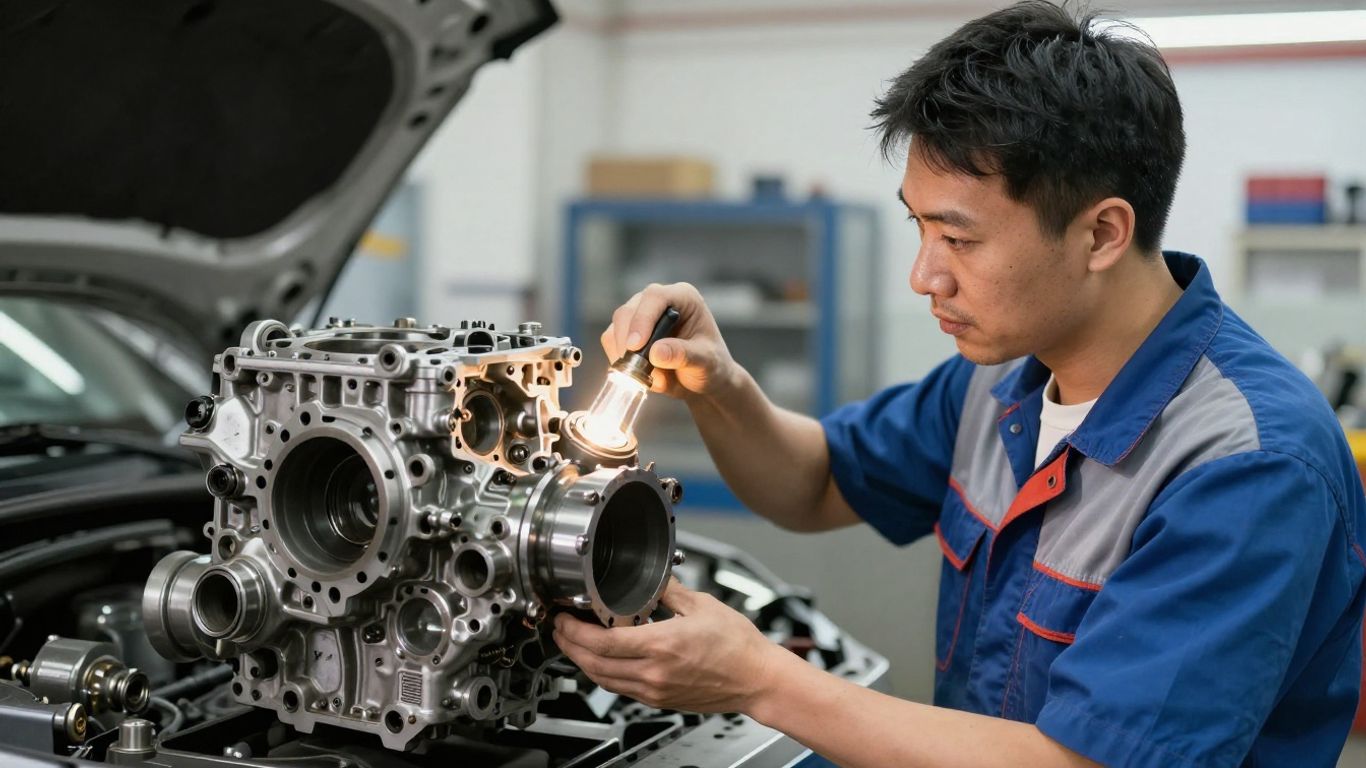
Buying pre-owned hardware requires a cautious approach to ensure you aren’t inheriting someone else’s mechanical issues. Evaluating the item’s history is just as important as visualizing its current physical state.
Inspecting engine components for signs of metal fatigue
Physical inspection is critical when assessing critical items like crankshafts or rods. Cracks or surface deformation indicate that the piece may have been pushed beyond its limits in a past high-heat environment.
Verifying compatibility with your specific generation or trim level
Even minor changes between production years can result in incompatibility. You must check that the part matches your chassis and engine series to avoid costly return efforts.
Documenting part numbers and provenance for aftermarket modifications
Keeping a detailed record of the component’s origin helps in troubleshooting later. When dealing with custom high-performance aftermarket hardware, ensure that the specifications align with your intended build goals.
Assessing the trade-off between price and remaining service life
It is tempting to opt for the cheapest option, but longevity is a major concern with used wear items. Consider if the short-term savings justify the potential cost of an early replacement cycle.
Navigating the Sydney Skyline aftermarket secondary market
Engaging with the secondary market demands a degree of patience and local situational awareness. Understanding how these parts move within the region allows you to enter negotiations with confidence.
Strategies for negotiating prices with private sellers
When discussing prices, rely on your research regarding current market trends rather than just personal opinion. Showing that you have a firm understanding of the part’s condition often helps in securing a fair deal.
Understanding the market demand for R32, R33, and R34 components
The demand for specific model components fluctuates, with some generations commanding higher prices due to scarcity. Being aware of these ebbs and flows helps you forecast when to make your move.
Timing your search around local car meets and automotive events
Events are often where enthusiasts clear out their garages, presenting unique opportunities to acquire parts directly. Networking during these gatherings can lead to finding specific items that never reach the online marketplace.
Avoiding counterfeit performance parts and low-quality replicas
When identifying high-quality components, look for standard markings or established brand identification that confirm the part is a genuine product. Relying on verified secondary sources helps filter out generic replicas that fail to meet structural safety benchmarks.
| Feature Characteristic | OEM Genuine Component | Quality Aftermarket | Unbranded Replica |
|---|---|---|---|
| Material Standard | Strict Factory Specs | High-Grade Alloys | Low-Carbon Steel |
| Durability Rating | Proven Long-term | Tested Performance | Unknown Longevity |
| Fitment Accuracy | Exact OEM Design | Universal Adjustability | Incorrect Tolerance |
Carefully reviewing these details allows you to distinguish between hardware that supports your engine’s health and cheap alternatives that may lead to failure.
Choosing between OEM upgrades and aftermarket performance parts
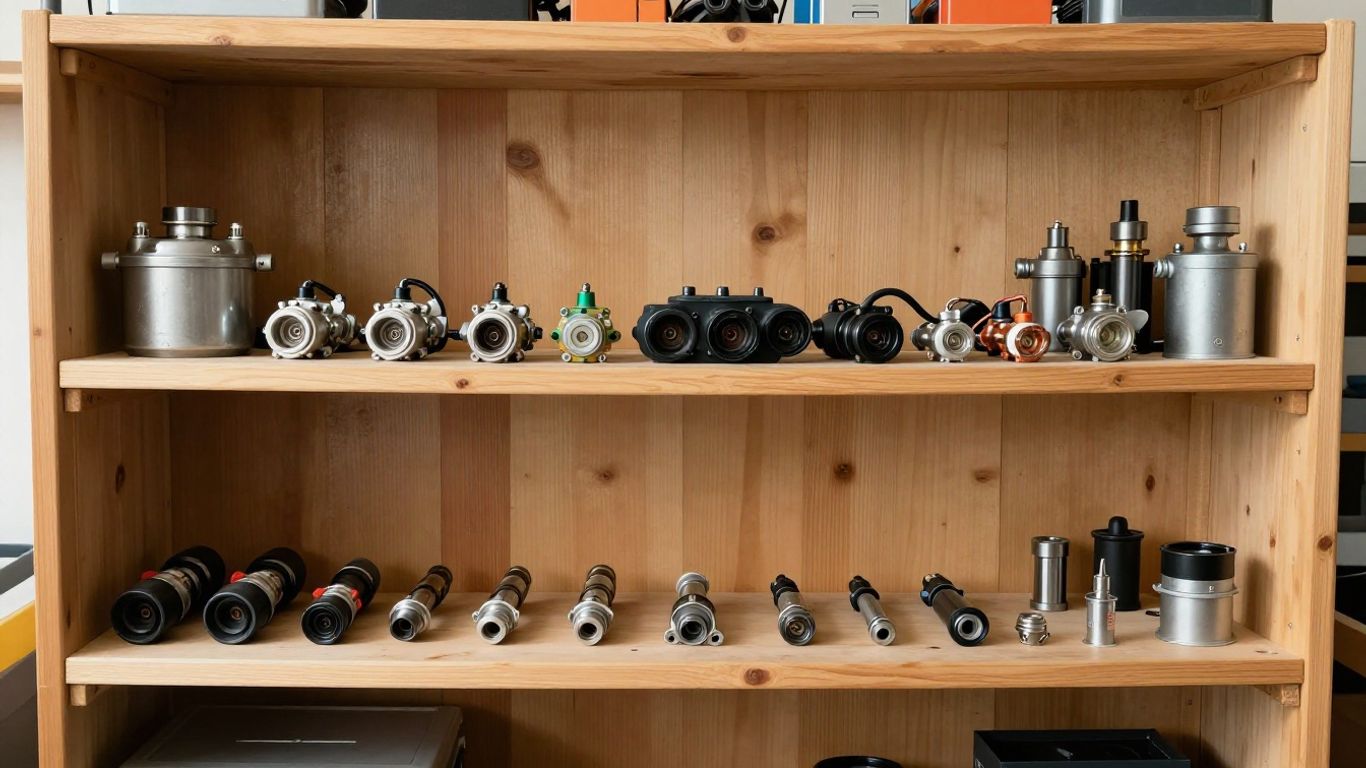
Choosing between factory-spec components and branded upgrades depends largely on your performance targets and budget. OEM parts provide a known baseline, while aftermarket firms often focus on specific mechanical optimizations.
Benefits of sourcing genuine Nissan Skyline factory components
Factory parts ensure that the engineering remains consistent with the original design specs. They are almost always the safest choice for maintaining engine reliability and long-term vehicle stability.
Adapting performance parts from compatible Nissan models
Cross-referencing parts with other models in the Nissan family can expand your search significantly. Often, components from shared engine series are interchangeable and can be a cost-effective way to refresh your setup.
Pros and cons of choosing used high-end aftermarket brands
Choosing used high-end components allows you to get top-tier gear at a fraction of the cost, provided the history is transparent. It is important to remember that these parts have typically been engineered for high-stress environments, which makes verifying their service history essential.
Always verify the service history of any high-stress component before installation to ensure the past usage aligns with your own performance requirements and technical safety standards.
Taking the time to investigate these items ensures that you are adding value to your build without introducing unforeseen risk to your engine system.
Evaluating the risks of purchasing used turbochargers and fuel systems
These critical systems are highly sensitive to neglect and dirty operation. Buying them used carries significant inherent risk, so professional bench testing before installation is highly recommended.
Logistics for picking up and transporting your parts
Safely transporting large exhaust and body components in Sydney
Large items require proper padding and secure tiedowns to prevent transit damage. Moving exhaust systems demands extra care to avoid bending the tubing or damaging flanges.
Storing delicate electronic parts and fuel injectors post-purchase
Electronics should be kept in cool, dry environments to prevent moisture accumulation and corrosion on the pins. Injectors require specialized care to ensure the tips remain sealed and free from dust until they are ready for testing.
Local freight options for heavy Nissan drivetrain parts
When moving heavy transmission or differential assemblies, look into local courier services that specialize in automotive cargo. These firms often provide the lifting support necessary to move heavy items safely.
Mitigating liability during in-person hand-off exchanges
Inspecting the item on the spot with the seller eliminates later disputes about condition. Standardizing this step keeps the transaction professional and transparent for both parties involved.
Tips for refurbishing used performance components
Cleaning and restoring metal surfaces and housings
Removing old grease and carbon deposits is the first step in successful refurbishment. Using the right chemical solvents allows you to inspect the underlying metal for signs of stress or damage.
Essential maintenance before installing used sensors and valves
Sensors become brittle or dirty over time, losing their signal accuracy. Replacing external seals and cleaning contact points is necessary to ensure the electronics behave as expected once reinstalled.
When to replace internal seals and gaskets for safety
Never reuse old gaskets when installing performance parts, as they rarely maintain a perfect seal once compressed. Always install fresh, high-quality materials to prevent leaks in your pressurized systems.
Conducting final dyno testing and tuning after part integration
Final setup tuning is the only way to confirm that your newly sourced components are working in harmony. This testing phase reveals if your parts are delivering their intended performance and if the ECU needs further adjustment for safety.
Conclusion
Successfully finding and installing used Nissan Skyline performance parts involves a disciplined approach to research, inspection, and careful assembly. By leveraging local networks and verifying the provenance of every component, you can build a more capable machine while keeping your project well within budget. Remember that the longevity of these performance gains relies entirely on meticulous preparation and professional tuning, ensuring your build remains reliable on the road and at the track.