So, your Nissan’s acting a little funny, huh? Maybe it’s making weird noises, or perhaps it feels like it’s hesitating when you want it to go. These could be signs that your transmission needs some attention. We’re going to break down some common Nissan transmission problems, what might be causing them, and what you can do about it. It’s all about keeping your ride running smoothly, and knowing what to look for can save you a headache later.
Key Takeaways
- Watch out for signs like slipping gears, strange noises, delayed shifting, or fluid leaks, as these often point to common Nissan transmission problems.
- Nissan’s CVT transmissions can face issues like premature wear, overheating, and valve body failures, so be aware of these specific challenges.
- A lit ‘Check Engine’ light, erratic gear changes, or unusual smells coming from your car are warning signs that shouldn’t be ignored.
- Regular maintenance, including proper fluid checks and changes, and potentially upgrading cooling systems, are key fixes for many transmission issues.
- Models like the Altima, Pathfinder, and Rogue have had specific transmission concerns, so knowing your model’s history can be helpful for prevention and early detection.
Recognizing Common Nissan Transmission Problems
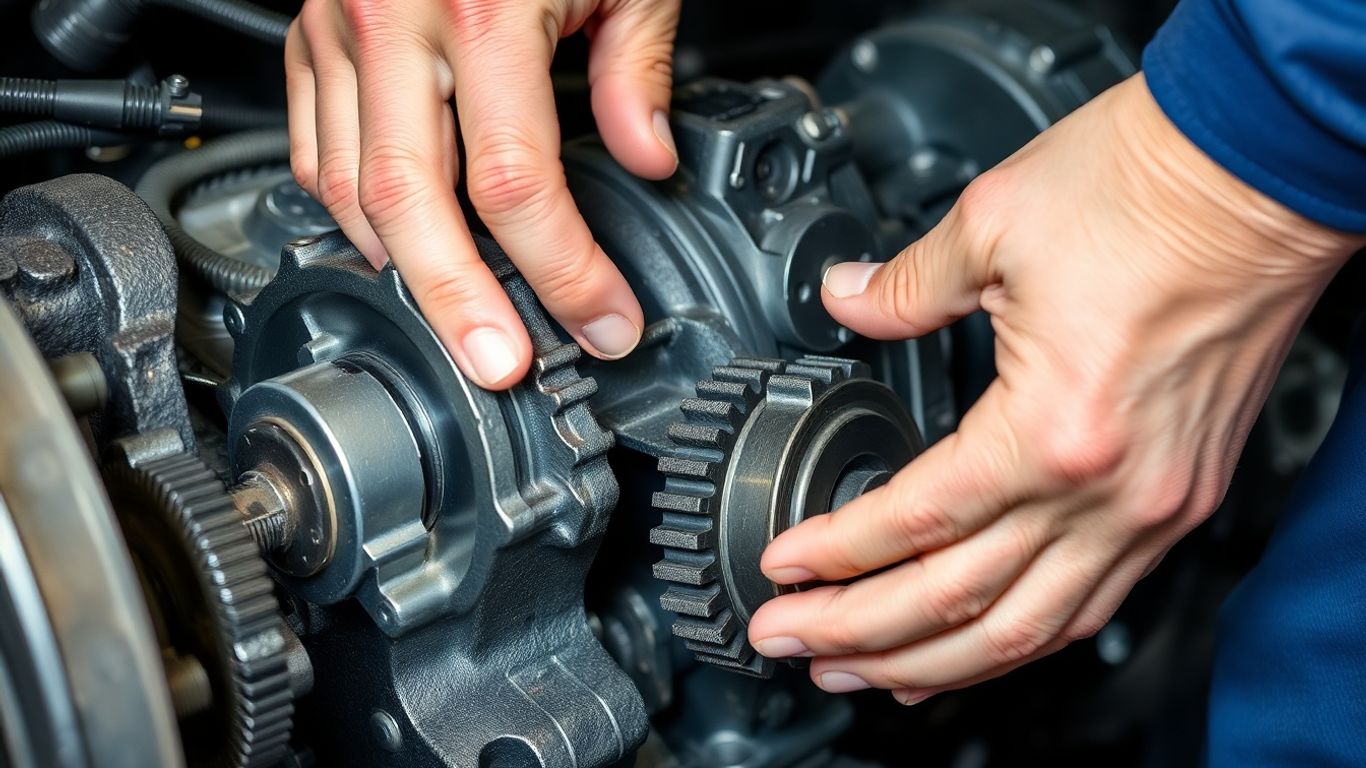
When your Nissan starts acting up, especially with how it shifts gears or sounds, it’s easy to get worried. Transmission issues can be a real headache, and sometimes they sneak up on you. Catching these problems early is key to avoiding a much bigger, more expensive repair bill later on.
Slipping Gears Indicate Transmission Issues
One of the most noticeable signs that something’s not right with your transmission is when it feels like it’s slipping. This can happen in a few ways. You might be driving along, and suddenly the engine revs up like it’s in a lower gear, but you’re not actually going faster. Or, it might feel like the car is hesitating to grab the next gear when you accelerate. It’s a weird sensation, almost like the engine is disconnected from the wheels for a second. This isn’t just annoying; it can be a safety concern, especially if it happens when you’re trying to merge into traffic or climb a hill.
Unusual Noises From The Transmission
Your car’s transmission usually hums along pretty quietly. But if you start hearing new sounds, pay attention. Whining noises, especially when you’re in neutral or shifting, can be a sign of low fluid or internal wear. Clunking sounds when you shift gears might mean there’s a problem with the mounts or internal components. Sometimes, you might even hear a buzzing or grinding noise. These sounds aren’t normal, and they often point to something needing attention inside the transmission.
Delayed Engagement When Shifting
Have you ever put your Nissan into drive or reverse and had to wait a few seconds before the car actually starts to move? That’s called delayed engagement, and it’s a pretty clear signal that your transmission is struggling. It means the transmission is having trouble getting power from the engine to the wheels. This symptom can start out small, like a slight hesitation, but it can get worse over time, making your car feel sluggish and unresponsive.
Transmission Fluid Leaks
Transmission fluid is like the lifeblood of your transmission. It keeps things lubricated, cool, and working smoothly. If you notice a puddle of fluid under your car, especially if it’s reddish or brownish and has a slightly burnt smell, it’s probably a transmission fluid leak. Low fluid levels due to a leak can cause overheating and increased friction, which can quickly damage the transmission’s internal parts. It’s important to check the fluid level regularly and look for any signs of leaks around the transmission pan or lines.
It’s easy to dismiss a strange noise or a slight hesitation as just a minor quirk of the car. But with transmissions, these small signs are often the first whispers of a bigger issue. Ignoring them is like ignoring a small leak in your roof; it might seem manageable now, but it can lead to serious water damage later.
| Symptom | Potential Cause | What to Look For |
|---|---|---|
| Slipping Gears | Low fluid, worn internal parts, valve body | Engine revs up without speed gain, hesitation during acceleration |
| Unusual Noises | Low fluid, worn bearings, internal damage | Whining, clunking, buzzing, or grinding sounds, especially when shifting or in neutral |
| Delayed Engagement | Low fluid, internal wear, hydraulic issues | Noticeable delay before the vehicle moves after shifting into gear |
| Transmission Leaks | Damaged seals, gaskets, or transmission lines | Reddish or brownish fluid puddles under the car, low transmission fluid level |
Understanding Nissan CVT Transmission Challenges
Nissan has put Continuously Variable Transmissions (CVTs) in a lot of their cars, and while they can be good for fuel economy and a smooth ride, they’ve also had their share of issues. It’s not just one thing, but a few common problems that pop up more often than you’d like.
Premature Belt and Chain Wear
One of the big headaches with Nissan CVTs is the premature wear on the steel belt or chain. This is the part that connects the pulleys and makes the transmission do its thing. It’s supposed to last a long time, but in many Nissans, it starts to give out somewhere between 60,000 and 100,000 miles. When this happens, you’ll probably notice the car slipping when you try to accelerate, or it might feel like it’s not getting enough power. If you ignore it, you could end up with a transmission that’s completely shot.
Overheating Problems In Nissan Transmissions
Nissan CVTs can also be prone to overheating. The cooling system in some of these transmissions just isn’t beefy enough to handle tough driving conditions or hot weather. When the transmission fluid gets too hot, it breaks down faster. This means it can’t do its job of lubricating and protecting the internal parts as well. Over time, this leads to faster wear on things like bearings and clutches, and you can get metal shavings floating around inside, which is definitely not good.
Valve Body Failures
The valve body is like the brain of the transmission, directing fluid flow to control everything from gear changes to clutch engagement. Unfortunately, these can fail in Nissan CVTs with some regularity. When the valve body isn’t working right, you might experience jerky shifts, delayed engagement when you put the car in gear, or a sudden loss of power. Sometimes, this is what triggers that dreaded "Check Transmission" warning light.
It’s important to remember that CVTs are complex systems. While they offer benefits, their intricate design means that problems can sometimes be harder to pinpoint and fix compared to traditional automatic transmissions. Regular maintenance and paying attention to early warning signs are key.
| Common Issue | Typical Mileage Range | Primary Symptom |
|---|---|---|
| Belt/Chain Wear | 60,000 – 100,000 miles | Slipping, Loss of Power |
| Overheating | Varies | Degraded Fluid, Wear |
| Valve Body Failure | Varies | Jerky Shifts, Delays |
Addressing Nissan Transmission Warning Signs
Sometimes, your Nissan will give you hints that something’s not quite right with the transmission. It’s like it’s trying to tell you something, and it’s usually best to listen. Ignoring these signs can turn a small issue into a really big, expensive headache. So, let’s talk about what to look out for.
The Check Engine Light
That little orange light on your dashboard, the "Check Engine" light, isn’t just for engine problems. It’s a pretty common indicator that your transmission might be acting up. Modern Nissans have smart systems that monitor all sorts of things, including how the transmission is doing. If this light pops on, it could be anything from a sensor issue to something more serious happening inside the transmission. It’s definitely worth getting checked out by someone who knows Nissans.
Erratic Shifting Behavior
Have you noticed your Nissan shifting gears in a weird way lately? Maybe it feels jerky when it changes gears, or it seems to shift at odd times, or perhaps it hesitates to shift at all. This kind of unpredictable or rough shifting is a pretty clear sign that the transmission isn’t happy. It can make driving feel off, and if it’s happening, it’s a good idea to have it looked at before it gets worse.
Weird Smells From The Transmission
Okay, this one’s a bit more direct. If you start smelling something unusual, especially a burning smell, coming from your car, pay attention. Often, this burning odor is a sign that the transmission fluid is getting too hot or is low. When the fluid overheats, it can start to break down and smell like burnt toast or something similar. This overheating can cause damage to the transmission’s parts if it goes on for too long.
Transmission fluid is like the lifeblood of your transmission. It lubricates parts, cools things down, and helps with hydraulic pressure. If it’s low, dirty, or burnt, the whole system suffers. Catching these issues early is key to avoiding major repairs.
| Symptom | Potential Cause |
|---|---|
| Burning Smell | Low or overheated transmission fluid |
| Jerky or Hesitant Shifts | Internal transmission issues, low fluid |
| Check Engine Light | Sensor malfunction, internal transmission fault |
Solutions For Common Nissan Transmission Problems
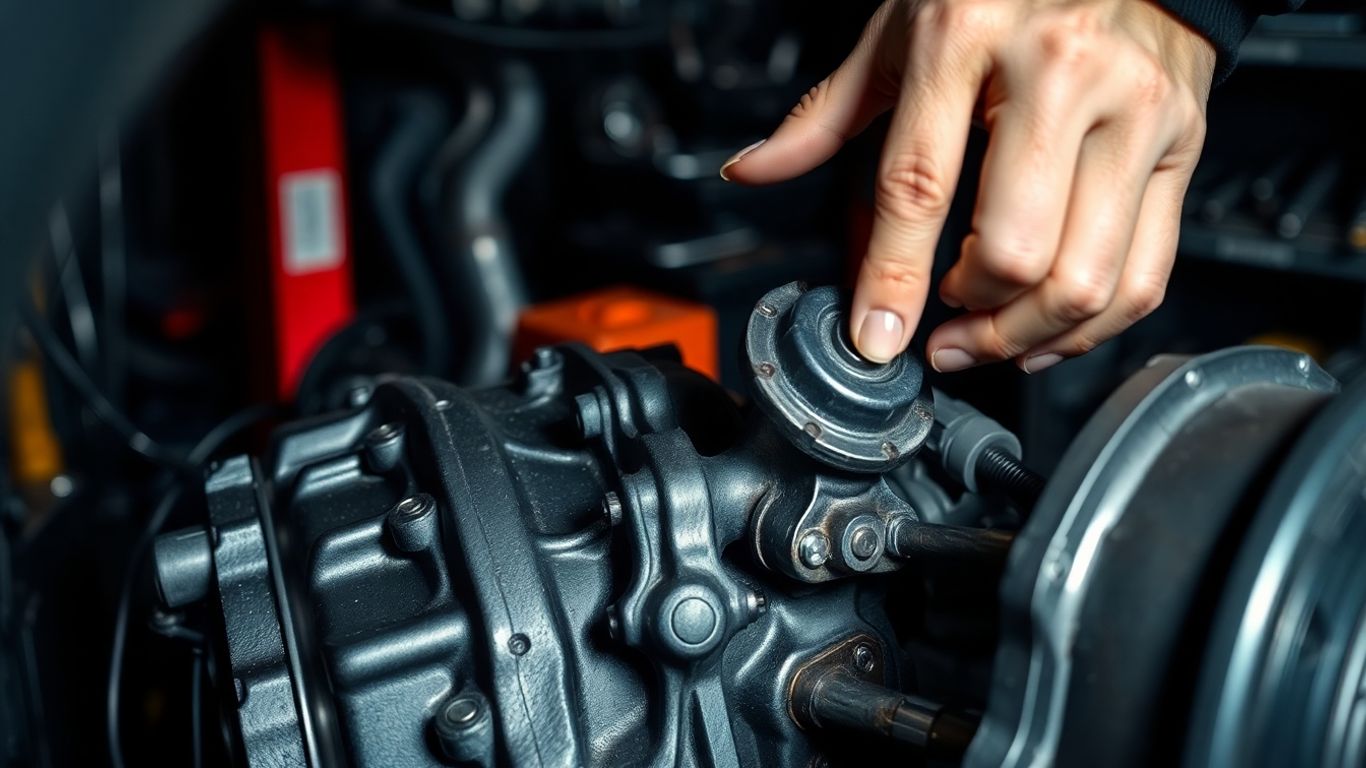
So, your Nissan’s transmission is acting up. It’s a bummer, for sure, but don’t panic just yet. There are definitely things you can do to fix it or at least make it better. It really comes down to a few key areas: keeping things clean, keeping things cool, and sometimes, just replacing the whole darn thing.
Proper Transmission Fluid Maintenance
This is probably the most basic, but honestly, it’s super important. Think of transmission fluid like the blood of your transmission. It lubricates everything, keeps it from getting too hot, and helps with shifting. If it’s old, dirty, or low, that’s when problems start. Making sure you have the right type of fluid and changing it according to your owner’s manual is step one. It sounds simple, but a lot of people skip this, and then they end up with bigger headaches later.
Upgrading The Transmission Cooling System
Nissan transmissions, especially the CVTs, can get pretty hot, particularly if you’re driving in tough conditions like heavy traffic or towing. Overheating is a major enemy of transmissions. If your car seems to be running hotter than usual, or if you’ve had issues with overheating before, looking into your cooling system is a good idea. Sometimes, the factory setup just isn’t enough. Adding an aftermarket transmission cooler or making sure your current one is in tip-top shape can make a big difference in preventing damage.
Transmission Fluid Flush and Replacement
If you’ve been neglecting the fluid changes, or if you’ve noticed the fluid looks dark and smells burnt, a full flush and replacement might be in order. This isn’t just a simple drain and fill. A flush cleans out the old, gunked-up fluid and replaces it with fresh stuff. It can help clear out debris and restore the transmission’s ability to cool and lubricate properly. It’s a more involved process than a regular fluid change, and it’s usually best left to the pros.
Transmission Rebuild or Replacement
Okay, so sometimes, things are just too far gone. If your transmission has been slipping badly, making terrible noises, or has suffered severe damage from overheating, a rebuild or replacement might be your only option. A rebuild means taking the transmission apart, fixing or replacing the worn-out parts, and putting it back together. A replacement means getting a whole new or used transmission and swapping it in. This is the most expensive solution, obviously, but it’s often necessary to get your car back on the road reliably.
When transmission problems get serious, it’s easy to feel overwhelmed. But remember, there are solutions. Taking care of the fluid and cooling systems are your first lines of defense. If those don’t cut it, a professional rebuild or replacement, while costly, can often give your car a new lease on life. Don’t put off these repairs; the longer you wait, the worse and more expensive it usually gets.
Model-Specific Nissan Transmission Concerns
Nissan Altima Transmission Issues
Nissan Altimas, particularly those from the fourth and fifth generations, have seen their share of transmission troubles. Many owners report issues with the Continuously Variable Transmission (CVT) that can manifest as rough shifting, hesitation, or even complete failure. These problems often start to appear after the vehicle hits around 60,000 to 100,000 miles. It’s not uncommon for the transmission fluid to overheat, leading to premature wear on internal components like the belt and pulleys. Sometimes, the valve body can also fail, causing erratic gear changes and a loss of power. Addressing these issues early is key to preventing more extensive damage.
Nissan Pathfinder Transmission Problems
The Nissan Pathfinder has also had its share of transmission woes, especially in models equipped with CVTs. Drivers have reported symptoms like shuddering, slipping gears, and a noticeable delay when shifting from Park. Overheating is a frequent culprit, often linked to inadequate cooling systems that struggle under normal driving conditions. This overheating degrades the transmission fluid, accelerating wear on critical parts. Some owners have also experienced issues with the transmission control module, leading to unpredictable behavior.
Nissan Rogue CVT Concerns
Nissan Rogues are perhaps one of the most talked-about models when it comes to CVT problems. Premature wear of the CVT belt or chain is a common complaint, often showing up well before the vehicle reaches high mileage. This can lead to slipping gears and a general feeling that the transmission isn’t engaging properly. Overheating is another significant concern, as the cooling system may not be robust enough for sustained use, especially in warmer climates or during heavy traffic. Valve body failures have also been reported, resulting in jerky shifts and warning lights.
It’s important to remember that while these models have known issues, not every vehicle will experience them. Regular maintenance and prompt attention to early symptoms can make a big difference in the lifespan of your transmission.
Preventative Measures For Nissan Transmissions
Keeping your Nissan’s transmission in good shape doesn’t have to be a huge hassle. A lot of it comes down to just being mindful and doing a few simple things regularly. Think of it like taking care of a pet – a little attention goes a long way.
Adhering To Recommended Maintenance Schedules
Your owner’s manual is your best friend here. It lays out exactly when your Nissan needs its transmission fluid checked and changed, and other important service points. Skipping these can lead to all sorts of problems down the road, especially with those Continuously Variable Transmissions (CVTs) that Nissan uses in a lot of their cars. They can be a bit more sensitive to fluid condition and service intervals.
| Service Interval (Miles) | Transmission Fluid Check | Transmission Fluid Change |
|---|---|---|
| 30,000 | Recommended | If towing or severe use |
| 60,000 | Recommended | Recommended |
| 100,000 | Recommended | If towing or severe use |
Monitoring Transmission Temperatures
If your Nissan has a transmission temperature gauge, keep an eye on it. If you notice it creeping up higher than usual, especially during hot weather or when you’re driving in heavy traffic, it’s a sign that something might be working too hard. Overheating is a big enemy of transmissions, causing the fluid to break down and parts to wear out faster.
Driving in extreme heat or constantly in stop-and-go traffic puts extra stress on your transmission. If you notice the temperature gauge climbing, it’s wise to pull over when it’s safe and let things cool down. Continuing to drive with an overheated transmission can lead to serious damage.
Avoiding Excessive Idling and Stop-and-Go Driving
While sometimes unavoidable, try to limit how long your car sits idling, especially with the transmission in gear. Also, frequent, hard stops and starts can put a strain on the transmission components. If you find yourself in heavy traffic often, consider shifting to neutral during longer stops if it feels right for your vehicle, and try to accelerate and brake smoothly when traffic is moving.
The Importance of Professional Nissan Transmission Diagnosis
Seeking Expert Diagnosis For Transmission Issues
Look, sometimes you hear a weird noise or your car just feels a little off. You might think, "Ah, it’s probably nothing." But when it comes to your Nissan’s transmission, ignoring those little signs can turn a small hiccup into a major headache. Getting a professional to take a look is really the smartest move you can make. They’ve got the tools and the know-how to figure out what’s actually going on under the hood, way beyond what a quick glance can tell you. Trying to guess the problem yourself can lead to more damage and cost you a lot more cash in the long run. It’s like trying to fix a leaky faucet without knowing plumbing – you might make it worse.
Understanding Nissan’s Response To CVT Problems
Nissan has put a lot of effort into their Continuously Variable Transmissions (CVTs), but sometimes, even with the best design, things can go wrong. If you’re dealing with CVT-specific issues, like those premature belt wear or overheating problems we talked about, a dealership or a shop that specializes in Nissans will have a better handle on the situation. They’re familiar with the common failure points and the specific fixes Nissan recommends. They might even have access to updated parts or procedures that aren’t common knowledge. It’s not just about fixing the symptom; it’s about understanding the system Nissan designed.
The Role of Software Updates
It might surprise you, but your car’s transmission isn’t just mechanical; it’s also controlled by computer software. Just like your phone or computer, this software can sometimes have bugs or need updates to work better. If your Nissan is acting up, especially with shifting issues or warning lights, a professional might check if there’s a software update available from Nissan. These updates can sometimes fix performance glitches or even prevent future problems. It’s a simple step, but it can make a big difference in how your transmission behaves.
When you notice something isn’t quite right with your transmission, don’t just hope it goes away. A professional diagnosis is your best bet for figuring out the real issue and getting it fixed properly before it becomes a much bigger, more expensive problem. They can tell you if it’s a simple fluid top-up or something that needs a full rebuild.
| Symptom Category | Potential Professional Check |
|---|---|
| Shifting Issues | Software update, valve body inspection |
| Noises/Vibrations | Internal component wear, fluid level/condition |
| Leaks | Seal integrity, gasket condition |
| Overheating | Cooling system efficiency, fluid flow |
| Warning Lights | Diagnostic code retrieval, sensor function |
Wrapping It Up
So, we’ve gone over a bunch of common transmission hiccups that can pop up in Nissan vehicles. Things like gears slipping, weird noises, or even just a funny smell can be your car trying to tell you something’s up. It’s easy to ignore these little signs, thinking it’ll just sort itself out, but honestly, that’s usually not how it works with transmissions. They’re pretty complex bits of machinery. The good news is, catching these problems early, maybe by just checking your fluid or noticing a strange shift, can really save you a headache and a lot of cash down the road. Don’t wait until it’s a major breakdown; getting it checked out by a pro who knows Nissans is probably your best bet to keep your ride running smoothly for a long time.