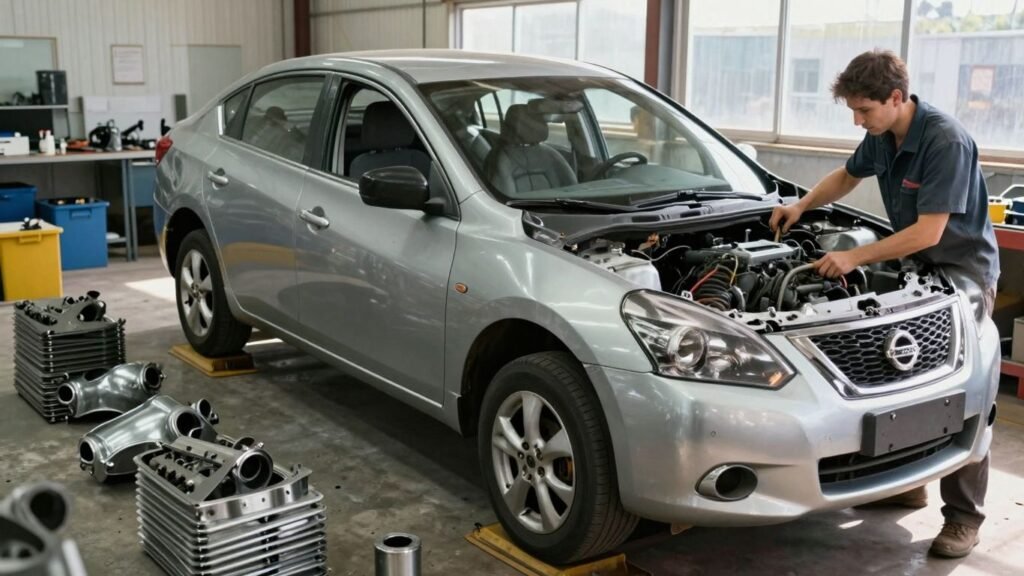
Thinking about what to do with your old Nissan? Instead of just letting it sit or heading straight to the dump, there’s a much smarter way to go. Nissan wreckers offer a fantastic solution, not just for your wallet, but for the planet too. They’re basically experts at taking cars that have seen better days and finding new life for their parts. This whole process is a big deal for cutting down on car waste, and it’s simpler than you might think. Let’s look at how Nissan wreckers help reduce auto waste and why it’s a good idea to use them.
Key Takeaways
- Nissan wreckers play a vital role in reducing auto waste by salvaging and recycling usable parts from end-of-life vehicles.
- Choosing Nissan wreckers helps conserve natural resources and lowers greenhouse gas emissions compared to manufacturing new parts.
- The value of a Nissan for wrecking depends on its condition, model, age, and the current demand for its specific parts.
- Nissan is committed to a circular economy, with processes in place to repurpose and recycle components, including hazardous materials, responsibly.
- Reputable Nissan wreckers provide cost-effective, quality alternatives to new OEM parts and can be found through online directories, manufacturer resources, and owner recommendations.
Understanding How Nissan Wreckers Help Reduce Auto Waste
What Are Nissan Auto Wreckers?
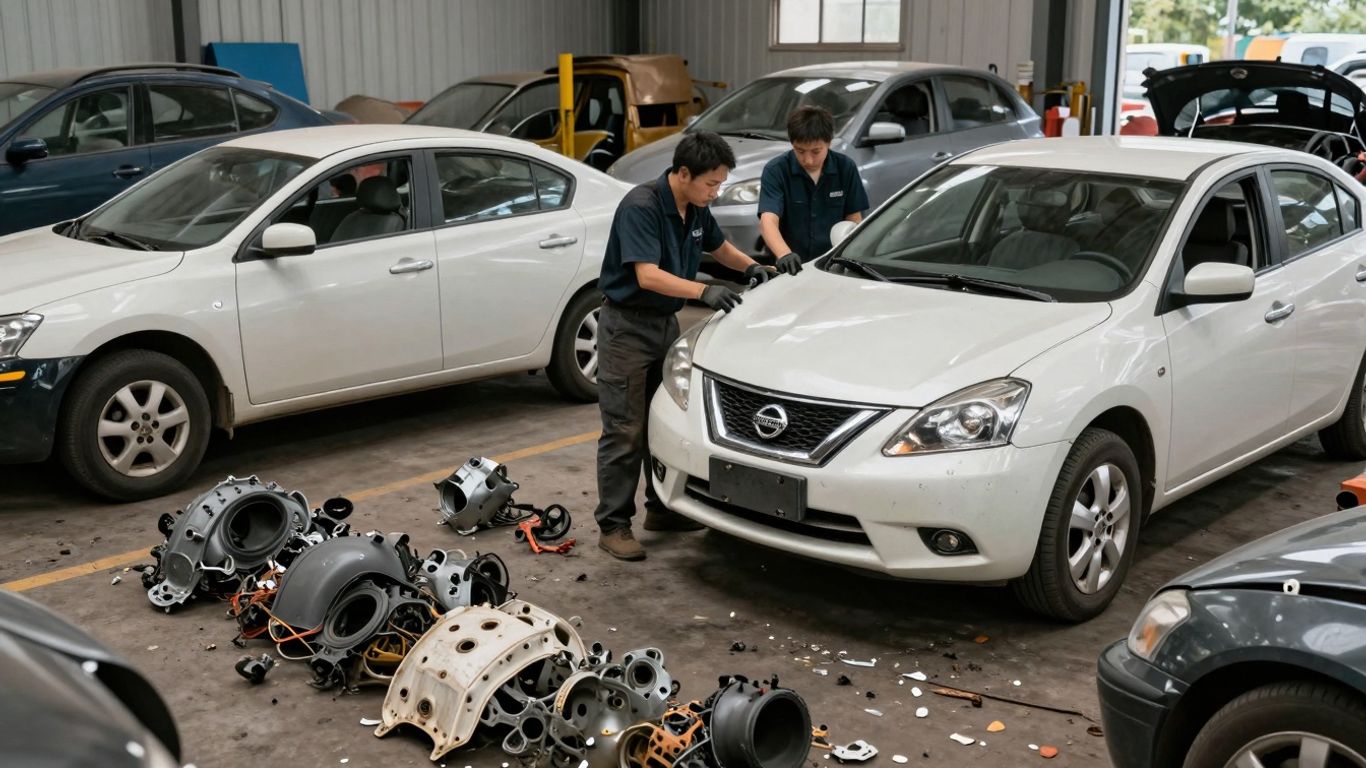
Nissan auto wreckers are basically specialized businesses that deal with old or damaged Nissan vehicles. Instead of just crushing them and sending them off to a landfill, they carefully take them apart. Think of them as mechanics who are really good at salvaging usable parts from cars that have reached the end of their road. They’re a big part of the auto dismantling world, focusing specifically on Nissan models. Their main job is to get those still-good parts out so they can be sold again, and to handle the rest of the car in an eco-friendly way. It’s a service that helps car owners get affordable replacements and also helps the environment.
The Role of Nissan Wreckers in Sustainability
These wreckers play a pretty significant role when it comes to being sustainable. When a car is wrecked, a lot of its components can still be perfectly fine. Instead of making new parts from scratch, which uses up a lot of energy and raw materials, wreckers give these existing parts a second life. This means fewer resources are mined or manufactured, and less waste ends up in landfills. It’s a direct way to cut down on the environmental impact of cars. They’re essentially part of a bigger effort to keep useful materials in circulation for as long as possible, which is a core idea in making things more sustainable.
The automotive industry has a huge footprint. By choosing to recycle and reuse parts from vehicles that are no longer roadworthy, we’re actively participating in a solution rather than contributing to the problem. It’s about seeing value where others might see junk.
Nissan’s Commitment to a Circular Economy
Nissan itself is actually working towards what’s called a circular economy. This is a system where waste is minimized, and resources are kept in use for as long as they can be. Auto wreckers fit right into this. They help close the loop by taking old cars and making sure their parts are either reused or recycled properly. This reduces the need for new manufacturing, which in turn cuts down on pollution and the use of virgin materials. It’s a smart way to manage resources and reduce waste, aligning with Nissan’s broader goals for a greener future.
The Environmental Benefits of Choosing Nissan Wreckers
Reducing Landfill Waste Through Part Recycling
When a Nissan reaches the end of its road, so to speak, it doesn’t have to just become a pile of junk taking up space. Nissan wreckers play a big part in stopping that from happening. They take these old cars and carefully take them apart, salvaging usable parts. Think of it like a mechanic’s treasure chest. Instead of tossing a perfectly good alternator or a set of headlights, they get cleaned up and offered for sale again. This means fewer whole cars end up in landfills, which are already overflowing. Every part that gets a second life is one less item contributing to land pollution. It’s a simple idea, but it makes a huge difference in keeping our planet cleaner.
Conserving Natural Resources
Making new car parts from scratch uses a lot of raw materials. We’re talking metals, plastics, and other stuff that has to be mined or manufactured. This whole process uses energy and can really impact the environment. When you choose to buy a used part from a Nissan wrecker, you’re cutting down on the need for all that new production. It’s like giving Mother Nature a break. Less mining, less manufacturing, and less energy used means we’re preserving our planet’s resources for the future. It’s a smart way to keep cars running without constantly depleting what we have.
Lowering Greenhouse Gas Emissions
The manufacturing of new car parts is a pretty energy-intensive business, and that often means a lot of greenhouse gases get pumped into the atmosphere. Think about the factories, the transportation of materials, and the whole production line. It all adds up. By opting for recycled Nissan parts, you’re sidestepping a big chunk of that industrial process. This directly helps to reduce the overall carbon footprint associated with keeping cars on the road. It’s a way to be a responsible car owner and help combat climate change, one used part at a time.
Choosing recycled parts isn’t just about saving money; it’s a conscious decision to support a more sustainable automotive ecosystem. It’s about recognizing that old parts still have value and can contribute to a healthier planet.
Key Factors in Nissan Vehicle Assessment for Wrecking
So, you’ve decided to part ways with your old Nissan, and you’re looking into wrecking it. That’s a smart move for both your wallet and the planet. But how do these wreckers figure out what your car is worth? It’s not just a random guess, you know. There are a few main things they look at.
Assessing Vehicle Condition and Functionality
First off, they’ll check out the car’s overall condition. Is it a rusty heap that barely rolls, or is it mostly intact with just a few dings? They’re looking for parts that are still in decent shape. If the engine still runs, or the transmission shifts smoothly, those are big pluses. Even if the body is a mess, if the core mechanical bits are good, there’s value there. They’ll poke around, see what works and what doesn’t. A car that’s been well-maintained, even if it’s old, usually has more salvageable parts than one that’s been neglected.
The Impact of Model and Age on Part Value
Next up is the model and how old the car is. Some Nissan models are just more popular than others, even years after they stopped making them. Think about those classic Z cars or certain popular SUVs – parts for those can be in high demand. Newer models might have parts that are still used on current vehicles, which also makes them valuable. On the flip side, really old, obscure models might not have many sought-after parts. It’s a bit of a balancing act.
Here’s a rough idea of how age can play a role:
| Age Category | Potential Value Factors |
|---|---|
| 0-5 Years | High demand for common wear-and-tear parts, newer technology components. |
| 5-15 Years | Sought-after parts for popular models, specific engine or transmission components. |
| 15+ Years | Value often tied to rarity, classic status, or specific hard-to-find parts. |
Understanding Part Demand and Market Value
Finally, they consider what people actually need. Is there a common part for a particular Nissan model that breaks often? If so, wreckers will pay more for a car that has that part in good condition. It’s all about supply and demand. If a lot of people are looking for a specific alternator for a certain Altima, and your car has one, that part becomes more valuable. They keep an eye on what’s selling and what mechanics are asking for. It’s a business, after all, and they need to make sure the parts they salvage can be sold.
Ultimately, the assessment process is about identifying what components within your vehicle still hold practical use and market appeal. It’s a detailed look, not just at the car as a whole, but at each individual piece and its potential future life.
The Process of Nissan Parts Recycling
Closed-Loop Recycling Systems Explained
So, what exactly happens when a Nissan reaches the end of its road and heads to a wrecker? It’s not just about crushing it down. Nissan has been working on something called a closed-loop recycling system. Think of it like a circle where materials get used, then recovered, and then used again. For example, they can take scrap aluminum from making cars, shred it up, and then use that material to make new car parts. This whole process helps cut down on factory waste and also lowers the amount of carbon dioxide released into the air. It’s a pretty smart way to keep materials from just ending up in a landfill.
Repurposing and Reusing Salvaged Components
When a Nissan is brought in, wreckers don’t just toss everything. They carefully check out the parts to see what can still be used. Things like bumpers, which are often made of plastic, can sometimes be fixed up or ground down to make new plastic bits for other cars. Even the big batteries in electric and hybrid Nissans are designed so they can be used for something else after they’ve done their job in the car. It’s all about giving these components a second life instead of treating them as trash. This reuse of parts is a big part of why wreckers are so good for the environment.
Handling Hazardous Materials Responsibly
Cars have stuff in them that isn’t exactly good for the planet if it just leaks out. We’re talking about things like fluids – oil, coolant, brake fluid – and also things like batteries. Reputable Nissan wreckers know they have to handle these materials carefully. They have specific ways to drain and store these fluids so they don’t contaminate the soil or water. Batteries, especially the ones in newer electric cars, are often sent off to special facilities to be processed safely. It’s a necessary step to make sure that even the less glamorous parts of car recycling are done right, protecting the environment from potential harm.
Affordable Solutions and Quality Parts from Nissan Wreckers
Cost-Effective Alternatives to New OEM Parts
Let’s be real, car repairs can get expensive, fast. When something goes wrong with your Nissan, the first thought might be heading to the dealership for brand-new parts. But honestly, those prices can make your wallet weep. That’s where Nissan wreckers really shine. They’re like a goldmine for car owners looking to save some serious cash. You can snag high-quality used parts for a fraction of what you’d pay for new ones. Think about it – fixing up your ride or even doing a cool upgrade doesn’t have to mean emptying your bank account. These places give you options, letting you keep your Nissan running smoothly without the sticker shock.
Extensive Inventory of Salvaged Nissan Components
It’s pretty amazing when you walk into a Nissan wrecker’s yard. They’ve got so much stuff! Seriously, whether you need a specific engine component, a body panel that’s seen better days, or even just a quirky interior bit, chances are they have it. They handle all sorts of Nissan models, so finding what you need for your particular car is usually pretty straightforward. It’s not just about having a lot of parts; it’s about the sheer variety and the possibility of finding that one piece that makes your car whole again.
Ensuring Quality and Reliability of Used Parts
Now, I get it. Buying used parts might make you a little nervous. You want to know if they’re actually going to work, right? Reputable Nissan wreckers know this. They don’t just pull parts and toss them on a shelf. Many of them inspect the parts, clean them up, and sometimes even refurbish them to make sure they’re in good working order. It’s not quite the same as a brand-new part with a factory warranty, but for many common replacements, a well-inspected used part is perfectly fine and a much smarter financial choice.
When you choose parts from a Nissan wrecker, you’re not just getting a component; you’re getting a piece of automotive history that’s been given a second chance. It’s a practical decision that also happens to be good for the planet.
Here’s a quick look at how the costs can stack up:
| Part Type | New OEM Price (Approx.) | Used Wrecker Price (Approx.) |
|---|---|---|
| Alternator | $300 – $600 | $75 – $150 |
| Radiator | $200 – $500 | $50 – $120 |
| Headlight Assembly | $150 – $400 | $40 – $100 |
| Brake Caliper | $100 – $300 | $30 – $80 |
Finding Reputable Nissan Auto Wreckers
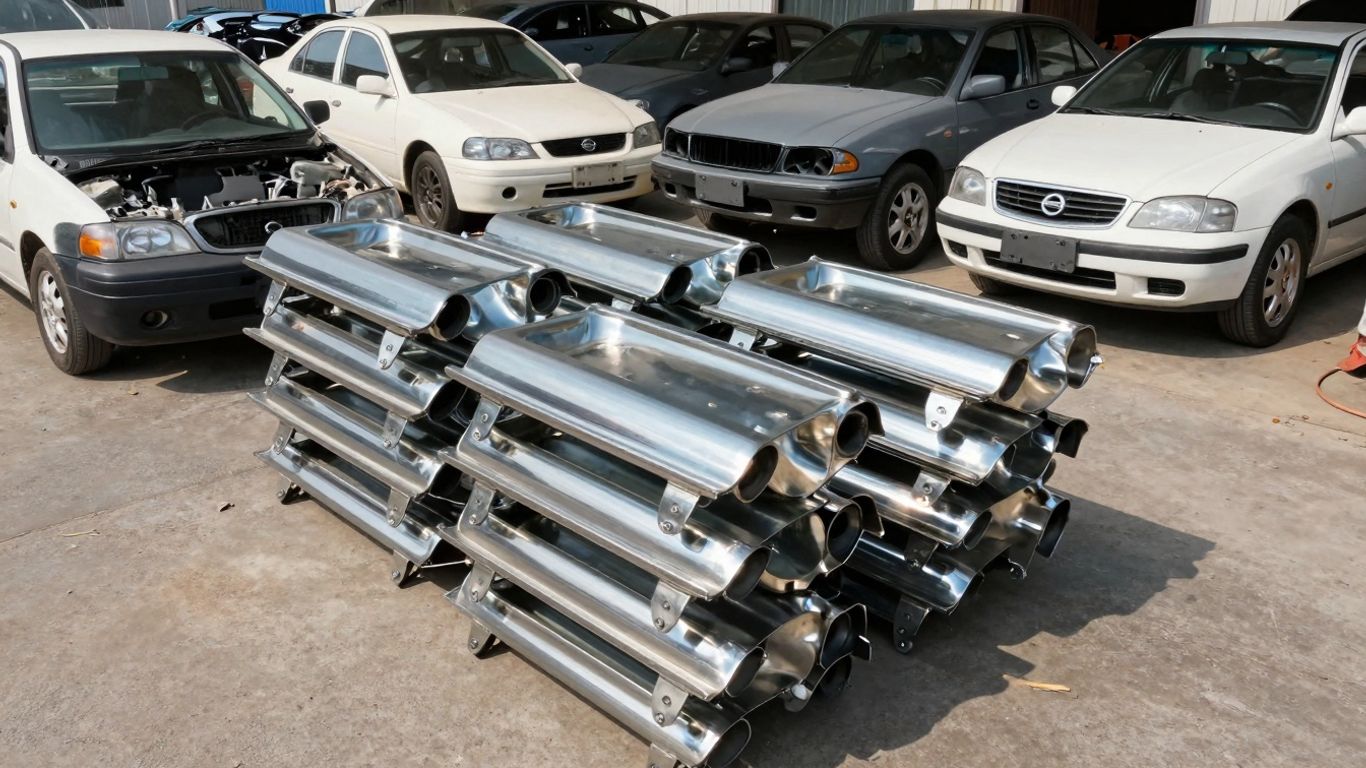
So, you’ve decided to go the route of Nissan wreckers for parts or disposal. That’s a smart move, both for your wallet and the planet. But how do you make sure you’re dealing with a good, honest operation? It’s not always obvious, and nobody wants to get ripped off or end up with parts that are more trouble than they’re worth.
Utilizing Online Directories and Reviews
These days, a lot of the legwork can be done right from your computer. Websites like Yelp or Google Maps are pretty handy for finding auto wreckers in your neighborhood. You can see what other people are saying about them – good and bad. Pay attention to the reviews, especially those that mention the quality of parts and the honesty of the staff. It’s like getting advice from a bunch of people who’ve already been there.
Checking Manufacturer and Dealership Resources
Sometimes, the best place to start is with Nissan itself. The official Nissan website or your local dealership might have a list of approved or recommended auto wreckers. These places often have a relationship with the manufacturer, which can mean they know their stuff when it comes to Nissan parts and might even have access to specific inventory. It’s a good way to find places that are legit and understand the brand.
Seeking Recommendations from Fellow Nissan Owners
Honestly, word-of-mouth is still one of the best ways to find reliable services. Think about any Nissan owner groups you’re part of, whether online forums or local clubs. People in these communities have likely been through the process of buying used parts or selling a car for wrecking. They can share their personal experiences and point you toward wreckers they trust. You can even ask your mechanic; they often know which local wreckers supply them with good quality used parts.
Finding a good wrecker isn’t just about getting a part; it’s about getting the right part from someone you can trust. A reputable place will be upfront about the condition of the parts and won’t try to sell you something that’s clearly past its prime. They’ll also handle the disposal of your old vehicle responsibly, which is a big part of why you’re choosing a wrecker in the first place.
| Factor to Consider | Importance | Notes |
|---|---|---|
| Customer Reviews | High | Look for consistent positive feedback on service and part quality. |
| Manufacturer Affiliation | Medium | May indicate specialized knowledge and adherence to standards. |
| Personal Recommendations | High | Direct experience from other owners is often the most reliable. |
| Part Warranty | Medium | Some wreckers offer limited warranties on major components. |
| Location | Low | While convenient, don’t let proximity override quality and reputation. |
Wrapping It Up
So, when it’s time to say goodbye to your old Nissan, remember there’s a better way than just letting it sit or sending it straight to the dump. Nissan wreckers are out there, doing good work. They’re not just getting rid of cars; they’re giving parts a second life and keeping usable materials out of landfills. It’s a win-win, really. You can get some cash for your old ride, and you’re helping the environment at the same time. It’s a simple choice that makes a real difference for the planet and keeps our roads a little cleaner.