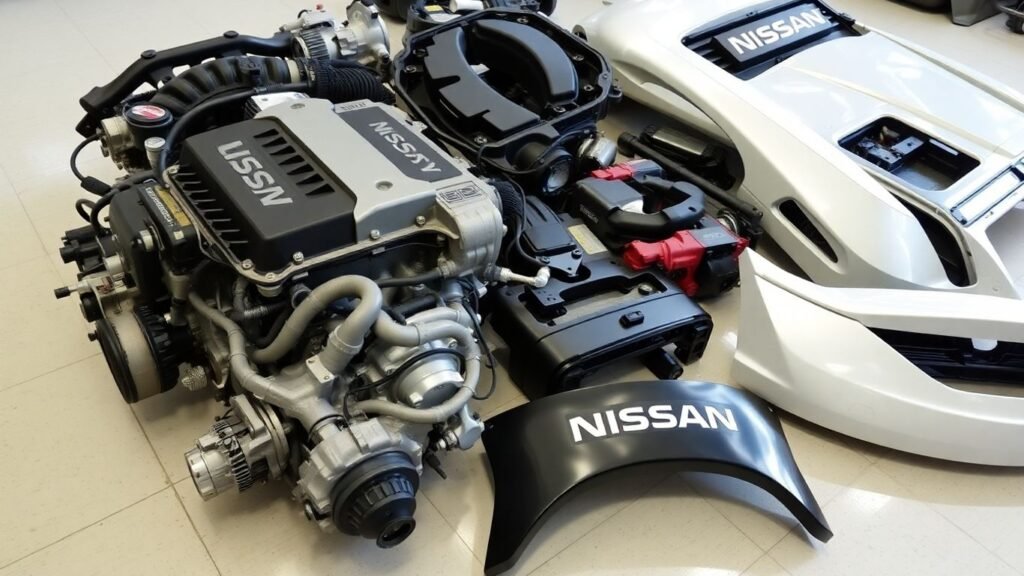
Looking for used Nissan parts can be a smart way to save money on repairs or upgrades. But how do you know if you’re getting something good, or just a piece of junk? It’s not always easy to tell, especially if you’re not a mechanic. This guide will walk you through how to identify high-quality used Nissan parts, so you can buy with more confidence and avoid wasting your cash.
Key Takeaways
- Always check the physical condition of parts. Look for rust, dents, cracks, or any signs of damage that could affect performance.
- For mechanical parts, inspect for wear and tear on hoses, belts, and suspension. Check fluid levels and their condition if applicable.
- Try to find out the history of the part. Knowing where it came from and how the original vehicle was used can tell you a lot.
- Test electrical components whenever possible. Make sure lights, controls, and any electronic modules are working correctly.
- Buy from sellers you trust. Check their return policies and consider asking a mechanic to look at more complex parts before you commit to buying.
Assessing The Physical Condition Of Used Nissan Parts
When you’re looking at used Nissan parts, the first thing you’ll want to do is give them a good once-over. Think of it like checking out a used car – you wouldn’t buy one without looking it over, right? Same goes for parts. You need to see what you’re actually getting.
Inspect Body Panels For Damage And Rust
Start with the big stuff. Look over any body panels, like fenders, doors, or hoods, for dents, dings, or any signs of impact. Pay extra attention to the edges and seams, as this is where rust often likes to hide. Run your hand over the surface; you can sometimes feel subtle damage that isn’t obvious at first glance. Check the paint too – inconsistent paint jobs can sometimes mean a panel has been repaired after an accident. If you see any bubbling under the paint, that’s a sure sign of rust starting to form underneath.
Examine Glass For Cracks And Chips
Glass might seem straightforward, but even small chips can spread. Look closely at windshields, windows, and mirrors. Check for any cracks, no matter how small, and any significant chips or pitting. Even if a chip isn’t in your direct line of sight, it can weaken the glass and make it more prone to breaking later on. Make sure the glass is clear and not excessively scratched, which can also impair visibility.
Evaluate Tire Tread And Sidewall Integrity
If the part you’re looking at includes tires, or if you’re inspecting wheels, the tires themselves need a good look. Check the tread depth – you can often use a simple tread depth gauge or even a penny to see how much life is left. Look for uneven wear patterns, which could point to alignment issues on the original vehicle. Also, inspect the sidewalls carefully for any cracks, bulges, or cuts. These are serious safety concerns and mean the tire should be replaced.
Remember, a part that looks good on the outside might have hidden issues. Always try to get as much information as you can about its history and how it was removed from the vehicle.
Verifying The Mechanical Integrity Of Used Nissan Components
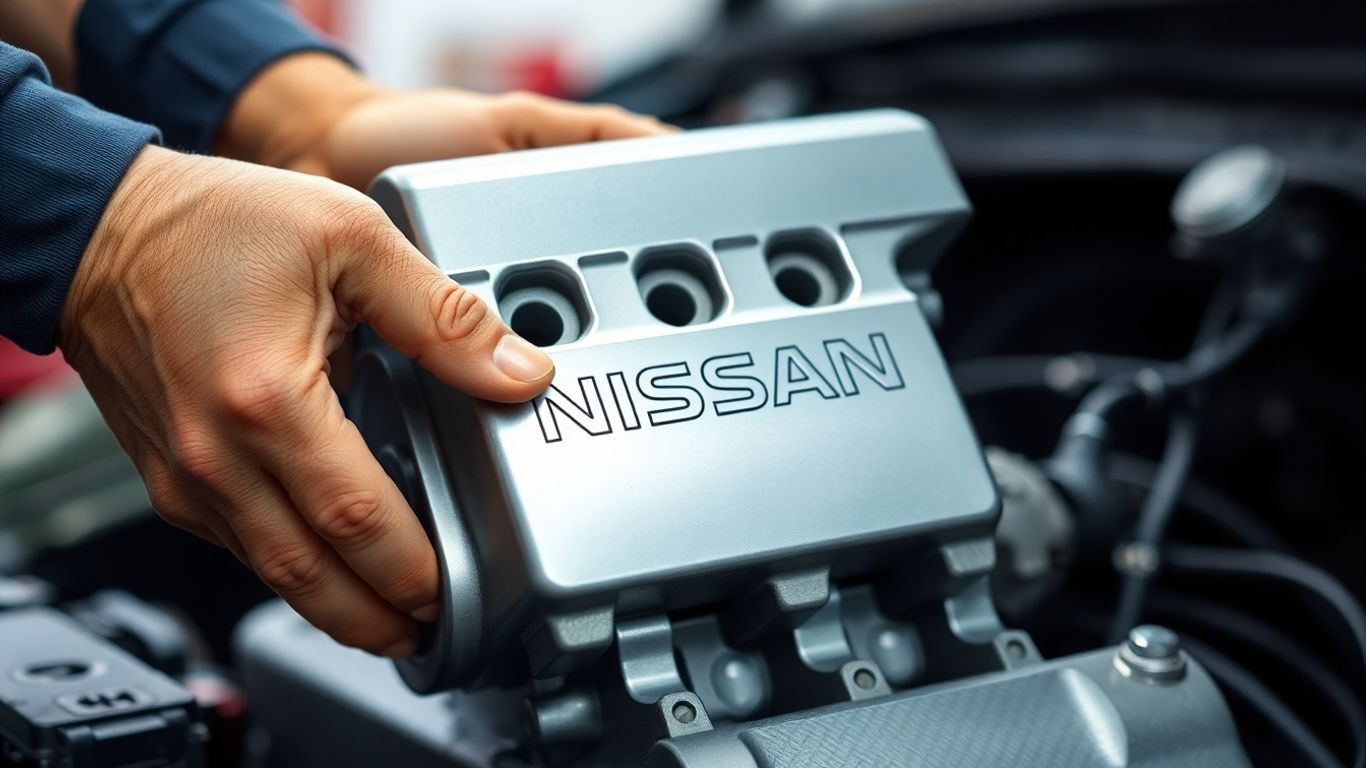
When you’re looking at used Nissan parts, especially the ones that make the car go, you really need to check them out closely. It’s not just about how they look; it’s about whether they’ll actually work right when you put them in your car. This is where you can’t afford to be too careful.
Check Fluid Levels And Condition
If the part involves fluids, like an engine or transmission, you’ve got to look at what’s inside. For an engine, check the oil. Is it dark and sludgy, or does it look relatively clean? Milky oil can mean coolant got into the engine, which is a big problem. Same goes for transmission fluid; it should be reddish-pink and not smell burnt. Low fluid levels are also a red flag, suggesting leaks somewhere.
Inspect Hoses And Belts For Wear
Rubber parts like hoses and belts can look okay on the surface but be brittle or cracked underneath. Squeeze the hoses – they should feel firm, not mushy or rock-hard. Look for any signs of fraying, cracking, or glazing on the belts. A worn belt can snap, leaving you stranded, and a cracked hose can burst, causing overheating.
Assess Suspension And Steering Components
For suspension parts, like control arms or shocks, look for any obvious damage, leaks from the shocks, or torn rubber boots. Give them a good shake if possible. For steering components, check the tie rods and ball joints for play. Any looseness here can seriously affect how your car handles and steers.
It’s easy to get caught up in the excitement of finding a part you need, but taking a few extra minutes to really inspect these mechanical bits can save you a lot of headaches and money down the road. A little bit of caution now can prevent a much bigger repair later on.
Understanding The History And Provenance Of Used Nissan Parts
Inquire About Previous Vehicle Usage
When you’re looking at a used Nissan part, it’s really helpful to know what kind of life the car it came from had. Was it a daily commuter that saw a lot of highway miles, or was it a weekend warrior that mostly sat in a garage? Asking the seller about the vehicle’s general usage can give you clues. For instance, a car used for short, stop-and-go trips might put more wear on certain components like brakes and transmissions compared to one driven mostly on open roads. Knowing the vehicle’s typical environment and driving style can help you gauge the potential stress a part might have endured.
Request Maintenance And Repair Records
This is a big one. If the seller has any records of how the car was maintained, that’s gold. Think oil changes, filter replacements, and any major repairs. These records can show if the car was well-cared-for. A part from a car with a solid maintenance history is generally a safer bet than one from a neglected vehicle. It’s not always possible to get these, especially from private sellers, but it’s always worth asking. Sometimes, you might just get lucky and find someone who kept meticulous notes.
Verify Part Compatibility With Your Nissan Model
This might seem obvious, but you’d be surprised how many people buy a part only to find out it doesn’t quite fit their specific Nissan model or year. Nissan has made many different models over the years, and even within the same model, there can be variations from one year to the next. Always double-check the part number and confirm it’s compatible with your vehicle’s make, model, and year. A quick search online or a call to a Nissan dealership’s parts department can save you a lot of hassle later on.
Don’t just assume a part will fit because it looks similar. Small differences in design or mounting points can make a part completely unusable for your specific application. Always verify compatibility before you buy.
Evaluating Electrical And Electronic Used Nissan Parts
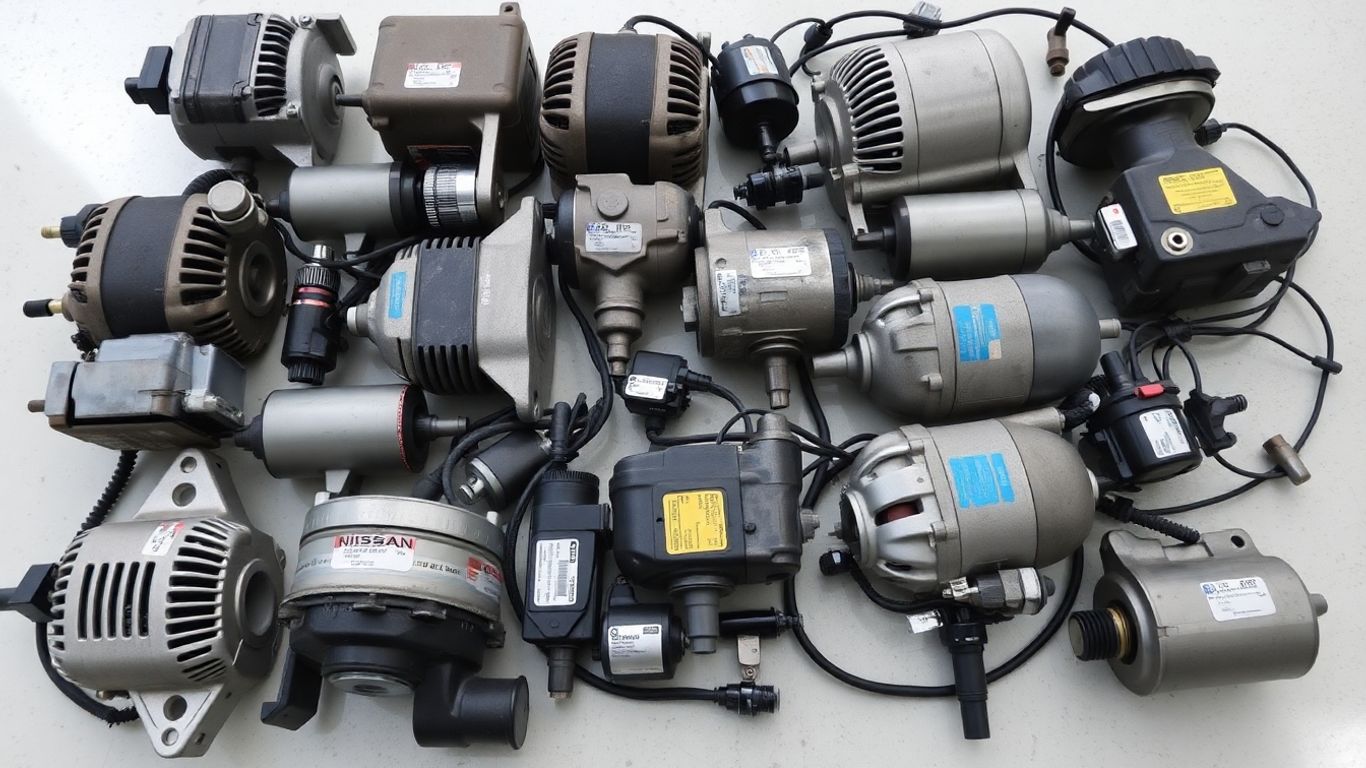
When you’re looking at used Nissan parts, especially the electrical and electronic bits, it’s a whole different ballgame than just checking for dents or rust. These components can be tricky because you can’t always see if they’re working right just by looking. Testing functionality is key, and sometimes it’s the only way to know for sure.
Test Functionality Of Lights And Lenses
Start with the basics. Grab a battery or a 12V power source if you’re not at the car. For headlights, taillights, turn signals, and interior lights, hook them up and see if they illuminate. Check for any flickering or dimness, which could mean internal issues. Look closely at the lenses themselves. Are they cracked, hazed over, or full of moisture? Even if the bulb works, a damaged lens can be a problem. Sometimes, you can replace just the bulb or lens, but often they come as a unit. Make sure all the mounting points are intact too, so they’ll fit properly.
Check Battery Health And Charge
If you’re looking at a battery, it’s a bit more involved. A quick visual check can tell you if there’s any corrosion on the terminals or if the casing looks swollen or cracked. If you have a multimeter, you can check the voltage. A healthy, fully charged battery should read around 12.6 volts or higher. Anything below 12.4 volts might indicate it’s not holding a charge well. Some auto parts stores can perform a load test for free, which is a more accurate way to see how the battery performs under stress. For hybrid or electric Nissan models, the battery system is much more complex and usually requires specialized diagnostic tools, so be extra cautious there.
Confirm Operation Of Instruments And Controls
This is where things get really dicey. For things like the dashboard instrument cluster, radio, climate control panel, or power window switches, you really need to see them in action. If the part is still in the car, turn the ignition on and see if the gauges light up and move correctly. Test all the buttons and switches. Do the power windows go up and down smoothly? Does the radio turn on and pick up stations? If you’re buying the part off the car, it’s much harder. You might be able to test some basic functions with a power source, but complex modules often need to be connected to a compatible vehicle’s computer system to fully verify their operation. It’s a good idea to ask the seller if they’ve tested it and what the results were.
When dealing with used electrical parts, it’s often a gamble. Unless you can see it working or have a way to test it thoroughly, you’re relying heavily on the seller’s word and their return policy. Sometimes, a part might look perfect but have a hidden electronic fault that only shows up under specific conditions.
Here’s a quick rundown of what to look for:
| Part Type | What to Check |
|——————–|—————————————————||
| Lights & Lenses | Illumination, flickering, lens condition, moisture |
| Battery | Voltage, terminal corrosion, casing integrity ||
| Instruments/Controls | Gauge sweep, button function, display clarity |
Navigating The Purchase Of Used Nissan Parts
Understand Seller Reputation and Return Policies
When you’re looking for used Nissan parts, who you buy from matters a lot. Think about it like buying anything else – you want to deal with someone honest, right? Check out reviews if you can. See what other people say about their experience. Did the seller ship on time? Were the parts as described? A seller with a good track record is usually a safer bet. Also, and this is super important, figure out their return policy before you hand over any cash. What happens if the part doesn’t fit, or it’s not quite what you expected? A clear and fair return policy can save you a lot of headaches later on.
Compare Prices Across Different Suppliers
Don’t just grab the first part you see. Prices for the same used Nissan part can really vary from one place to another. Take a little time to shop around. Look at different online salvage yards, local mechanics who might sell used parts, or even online marketplaces. Sometimes a slightly higher price might get you a part that’s been tested or comes with a short warranty, which could be worth it. But generally, you want to get the best deal you can. Keep a little spreadsheet or just jot down prices to see where you’re getting the most bang for your buck.
| Part Type | Supplier A Price | Supplier B Price | Supplier C Price |
|---|---|---|---|
| Alternator | $75 | $80 | $70 |
| Starter Motor | $60 | $65 | $55 |
| Radiator | $100 | $110 | $95 |
Seek Professional Inspection When Necessary
Sometimes, especially with more complex or expensive parts like engines or transmissions, you might want a second opinion. If you’re not super confident in your own inspection skills, or if the seller can’t provide much history, consider having a mechanic take a look. They can spot things you might miss and give you a more solid idea of the part’s condition. It might cost a little extra upfront, but it could prevent you from buying a dud that ends up costing you way more in the long run.
Buying used parts can be a smart way to save money on car repairs. However, it’s not always as simple as just picking something off a shelf. You’ve got to do your homework. Think about where you’re buying from, what their policies are, and how the price stacks up against other options. And if you’re unsure about a part’s condition, getting a professional opinion is usually a good idea.
Wrapping It Up
So, you’ve gone through the steps, checked the fluids, looked over the body, and maybe even had a mechanic give it a once-over. Buying used Nissan parts doesn’t have to be a gamble. By taking your time and knowing what to look for, you can find good quality components that will keep your ride running smoothly without breaking the bank. Remember, a little bit of effort upfront can save you a lot of headaches later on. Happy hunting for those perfect parts!