Looking for parts for your Nissan? Instead of buying brand new, which can cost a lot, you might want to check out used parts. Nissan car dismantlers are a great place to find these. They take apart old or wrecked Nissans and sell the good pieces. It’s a smart way to save money and also good for the environment. Let’s talk about how to find good dismantlers and what to look for.
Key Takeaways
- Nissan car dismantlers offer a wide variety of used parts, from engines and body panels to electrical components, often at lower prices than new parts.
- When looking for Nissan car dismantlers, check for businesses with good reviews, clear warranty policies, and a history of honest dealings.
- Parts from dismantlers in ‘no salt’ states often have less rust damage, making them a better choice, especially for body parts.
- Understand the difference between self-service yards (where you pull parts yourself) and full-service options, and always check return policies before buying.
- Choosing reputable Nissan car dismantlers supports vehicle recycling and reduces waste, contributing to environmental sustainability.
Finding Reputable Nissan Car Dismantlers
Understanding the Role of Nissan Car Dismantlers
A Nissan car dismantler specializes in removing parts from older or wrecked Nissan vehicles and making them available for resale. Sometimes people think a yard just dumps cars and leaves them to rust, but that’s far from the truth. A real dismantler is about careful removal, detailed sorting, and making sure reusable parts are in good working order. They also safely dispose of hazardous fluids and materials, so you know the process helps the environment too.
There’s a certain peace of mind knowing your used Nissan part didn’t just come from anywhere—it was pulled, checked, and handled with some level of care by folks who do this every day.
What to Expect from Trusted Dismantlers
At a reliable dismantler, you walk in and someone actually knows the difference between a Sentra alternator and a Rogue door panel. You’ll find staff ready to answer questions, help you check inventory, or even offer a quote right then and there. The best places inspect and catalog their parts, so you know what you’re buying isn’t broken or missing pieces. Some dismantlers will let you check the part beforehand. Others handle everything for you and just ask you to pick it up—maybe even with a basic warranty to back it up.
Benefits of Choosing Certified Nissan Car Dismantlers
Certified dismantlers follow specific guidelines for handling and reselling used auto parts. Besides just feeling organized, this usually means you’ll get: parts that are cleaned and tested, clear details about each part’s history, and actual return policies if something doesn’t work out. You’re more likely to get accurate information about mileage and condition from a certified place. That means fewer surprises after installation, and—if you ever need help—someone to talk to instead of an empty lot or a disconnected phone number.
| Feature | Non-Certified Dismantler | Certified Nissan Dismantler |
|---|---|---|
| Part Inspection | Not Guaranteed | Always Performed |
| Warranty or Guarantee | Rare | Standard |
| Environmental Compliance | Unknown | Tracked |
| Staff Product Knowledge | Hit-or-Miss | Nissan-Specific |
Key Components Available from Nissan Car Dismantlers
Engine and Drivetrain Parts
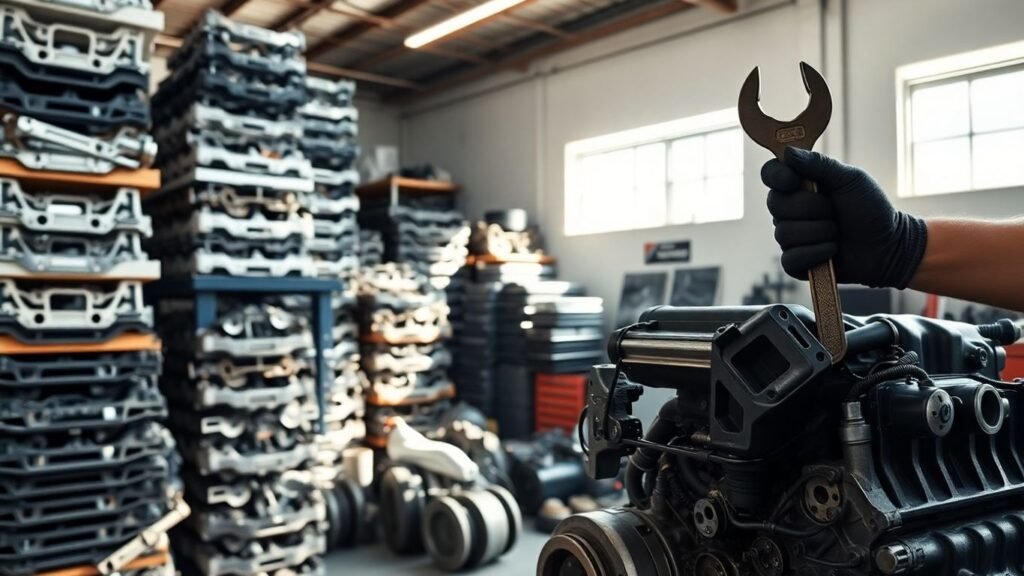
When your Nissan needs a new heart or a stronger transmission, dismantlers are a great place to look. You can often find complete engines, ready to be installed, or individual engine components like cylinder heads, crankshafts, and pistons. The same goes for the drivetrain: transmissions, transaxles, differentials, and drive shafts are commonly available. These parts are usually inspected and tested before being put up for sale. It’s a smart way to get a major component without the brand-new price tag.
Body Panels and Exterior Components
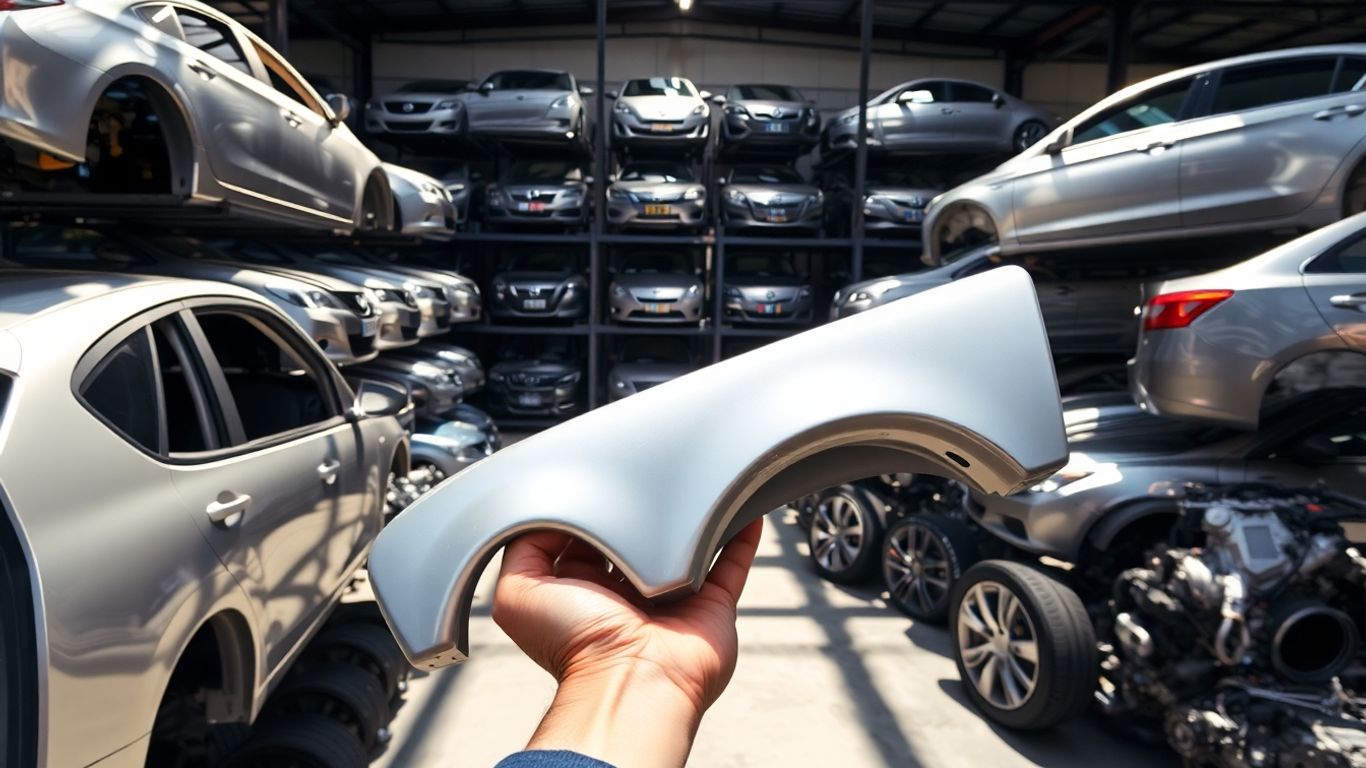
Need to replace a dented fender or a scratched door? Dismantlers are treasure troves for body parts. Hoods, trunk lids, bumpers, grilles, and even smaller trim pieces are frequently stocked. Headlights, taillights, and mirrors are also common finds. If you’re working on a restoration or just fixing up some cosmetic damage, you can often find the exact color match or a part that’s in much better shape than what you currently have. It saves a lot of hassle compared to trying to find obscure parts for older models.
Electrical and Accessory Parts
Don’t forget about the electronics and accessories. Dismantlers often have alternators, starters, radiators, and AC compressors. You can also find ECUs (engine control units), various sensors, and even interior components like seats, dashboards, and door panels. Sometimes, you can even find complete wiring harnesses. These parts can be a lifesaver when a specific electronic module fails on your Nissan.
Finding the right used part means checking its condition carefully. Look for signs of damage, wear, or corrosion. Reputable dismantlers will often provide a warranty or a return policy, giving you some peace of mind with your purchase.
Evaluating the Quality of Used Nissan Parts
So, you’ve found a Nissan dismantler and you’re ready to snag some parts. Awesome! But hold up a sec. Not all used parts are created equal, right? You don’t want to end up with something that’s going to conk out a week later. Let’s talk about how to make sure you’re getting good stuff.
Inspection and Warranty Policies
This is a big one. When you’re looking at a part, ask about their inspection process. Did they actually check it out? Do they have any kind of warranty or guarantee on it? Some places might offer a short warranty, like 30 or 90 days, which is pretty standard. Others might not offer anything at all. A good warranty can be a lifesaver if the part turns out to be a dud. It’s also worth asking if they have a policy for returns or exchanges if something goes wrong. You don’t want to be stuck with a useless piece of metal.
The Advantage of ‘No Salt’ States
Ever heard of ‘no salt’ states? These are places, usually in the drier, warmer parts of the country, where they don’t use a lot of road salt in the winter. Why does this matter for car parts? Well, road salt is like rust’s best friend. It eats away at metal like nobody’s business. So, if you can find parts from a car that lived its whole life in a ‘no salt’ state, you’re likely to get components that are way less corroded. Think body panels, suspension parts, and even brake lines – they’ll probably be in much better shape. It’s a small detail, but it can make a huge difference in the longevity of the part you buy.
Assessing Part Condition and History
Before you hand over your cash, take a good, hard look at the part itself. Is it clean? Are there any obvious cracks, dents, or signs of major wear and tear? For engine components, ask about the mileage of the vehicle it came from. If possible, see if they have any service records or information about the car’s history. Sometimes, you can even find out if the car was in an accident or if it had a specific mechanical issue. This kind of info can help you avoid parts that might have hidden problems. It’s like buying a used house – you want to know its story before you move in.
Sometimes, the simplest questions are the most important. Asking about the part’s origin and any history the dismantler knows can save you a lot of headaches down the road. Don’t be shy about asking for details; it’s your money and your car’s future health on the line.
Navigating the Purchase Process
So, you’ve found a potential Nissan part from a dismantler. Now what? It’s not just about grabbing the part and heading out. There are a couple of ways these places operate, and understanding them can save you headaches.
Self-Service vs. Full-Service Dismantling
Some places are "self-service." This means you go into their yard, find the car you need, and pull the part yourself. It’s usually cheaper, but you’re the one doing the labor. You’ll need to know what tools you need and be prepared to get a little dirty. Others are "full-service." You tell them what part you need, and their staff pulls it for you. This costs more, but it’s way more convenient, especially if you’re not mechanically inclined or short on time. It’s good to know which type you’re dealing with before you show up.
Understanding Guarantees and Return Policies
This is a big one. What happens if the part you buy doesn’t work? Always ask about their warranty or guarantee policy before you hand over any cash. Some places offer a short warranty, maybe 30 or 60 days, while others might only allow exchanges for the same part. A few might not offer any guarantee at all. It’s also worth asking about their return policy – can you get your money back if the part is faulty, or just swap it out?
Be wary of places that seem cagey about their policies. A reputable dismantler will be upfront about what happens if a part doesn’t work out. It shows they stand behind their products.
Tips for a Smooth Transaction
When you call or visit, be specific about the year, make, and model of your Nissan, and the exact part you need. Sometimes, different trims or production dates can have slightly different parts. If possible, get a quote over the phone first, and then confirm the price when you get there. It’s not unheard of for prices to change between the phone call and the counter. Keep all your receipts and any paperwork related to the sale. This is your proof if any issues come up later. If you’re unsure about a part, ask questions. A good dismantler will be happy to help you find the right component for your car.
The Environmental Impact of Nissan Car Dismantlers
Green Vehicle Disposal Practices
When a Nissan reaches the end of its road, what happens next really matters for the planet. Reputable dismantlers play a big part in making sure old cars don’t just become a pile of junk. They’re trained to handle all the fluids and materials that could be harmful, like oil, antifreeze, and battery acid. This careful process stops these substances from leaking into the soil and water. It’s a lot more responsible than just letting a car rust away in a field somewhere.
Recycling and Reusing Vehicle Components
Think about all the parts in a Nissan – engines, transmissions, doors, even the seats. Dismantlers are like treasure hunters for these components. They pull out anything that’s still in good shape and can be used again. This means fewer brand-new parts need to be manufactured, which saves a ton of energy and resources. It’s a smart way to keep usable items out of landfills and give them a second life. Some places even focus on specific types of parts, like engines or body panels, making them specialists in getting the most out of each vehicle.
The Role of Dismantlers in Sustainability
Ultimately, Nissan car dismantlers are key players in the whole idea of sustainability. They’re part of a system that reduces waste and conserves natural resources. By taking apart old vehicles and salvaging usable parts, they help lower the demand for new manufacturing. This circular approach to car parts is good for the environment and can also save car owners money.
The process of dismantling a vehicle involves more than just taking it apart. It’s a structured approach to managing end-of-life vehicles, ensuring that hazardous materials are dealt with properly and that reusable parts are identified and prepared for resale. This not only benefits the environment but also supports a more economical automotive repair market.
Where to Locate Nissan Car Dismantlers
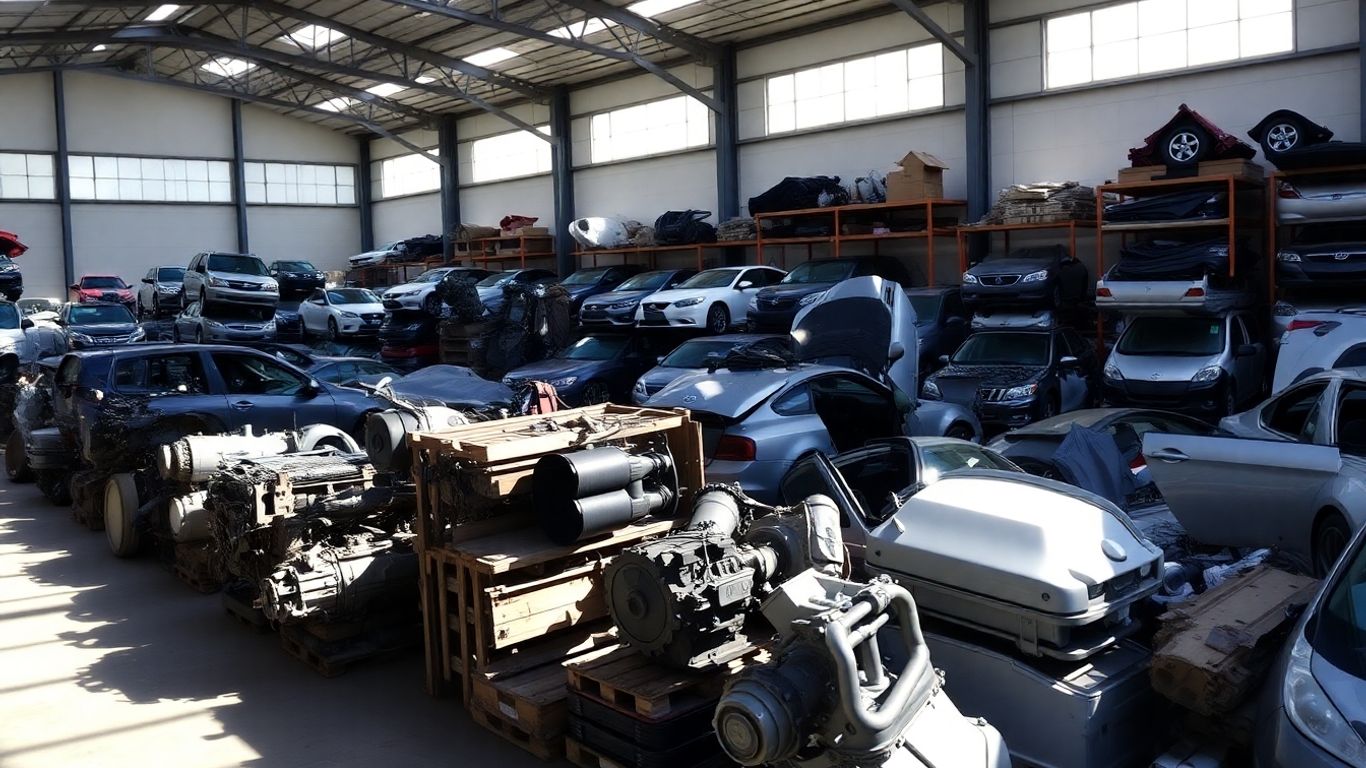
Finding the right place to get used Nissan parts can feel like a treasure hunt sometimes. You’re not just looking for any old part; you want one that’s still got some good life left in it, and from a place you can trust. Luckily, there are a few solid ways to track down these automotive goldmines.
Online Inventory Searches
Nowadays, a lot of dismantlers have their stock listed online. This is super handy because you can often search by the specific Nissan model and year you have, and even by the exact part you need. Think of it like online shopping, but for car parts. You can usually see pictures, get a description, and sometimes even check the price without leaving your couch. This makes comparing options from different yards much easier. It’s a good starting point to see what’s out there before you even pick up the phone or start your car.
Local Auto Recycler Associations
Sometimes, the best resources are the ones that group together reputable businesses. Local auto recycler associations are a great example. These groups often have directories of their members, and belonging to one usually means the dismantler meets certain standards for business practices and environmental responsibility. It’s a way to filter out the less reliable places and focus on those who are serious about their work. You can usually find these associations by doing a quick web search for "auto recycler association" plus your state or region.
Recommendations and Reviews
Word-of-mouth is still a powerful tool, even in the digital age. Ask around at local mechanic shops if they have any Nissan dismantlers they regularly work with and recommend. Online reviews can also be helpful, though you have to take them with a grain of salt. Look for patterns in what people are saying – are multiple customers mentioning good quality parts, fair prices, or helpful staff? On the flip side, watch out for consistent complaints about parts not working or poor customer service. It’s like checking Yelp for a restaurant, but for car parts.
When you’re looking for a dismantler, especially one that deals with Nissans, think about their location. Yards in areas that don’t use a lot of road salt in the winter might have parts with less rust, which can be a big deal for things like body panels or suspension components. It’s a small detail, but it can make a difference in the quality of the part you end up with.
Wrapping It Up
So, finding the right used Nissan part doesn’t have to be a headache. By doing a little homework and sticking with reputable dismantlers, you can save a good chunk of change and keep your ride running smoothly. Remember to check for warranties and inspect parts when you can. It might take a bit more effort than just grabbing something new, but the payoff in savings and getting your car back on the road is totally worth it. Happy hunting for those parts!