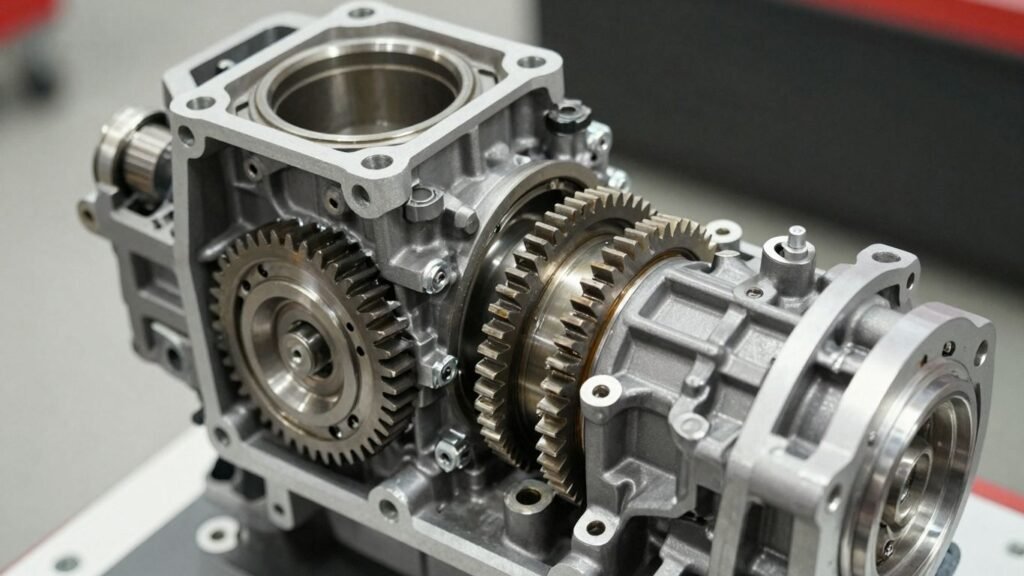
Your Nissan is a pretty reliable car, right? Most of the time, they just keep going. But sometimes, things happen, and you might start hearing weird noises or feeling your car act a little funny. If you’re wondering about signs your Nissan gearbox needs replacement, you’ve come to the right place. We’ll go over what to listen and look out for so you can catch problems early.
Key Takeaways
- Pay attention to strange noises like grinding or whining when your Nissan shifts gears.
- If your car slips out of gear or has trouble staying in gear, it’s a definite sign to get it checked.
- Notice any delays or harsh jolts when your transmission shifts? That’s another warning sign.
- Keep an eye out for leaks of red or brown fluid under your car, and don’t ignore a burning smell.
- Dashboard warning lights, especially the transmission or check engine light, mean it’s time for a professional look.
Recognizing the Warning Signs Your Nissan Gearbox Needs Replacement
Your Nissan’s gearbox is a pretty complex piece of machinery, and like anything mechanical, it can start to show its age or develop problems. Ignoring the early signs can turn a minor issue into a major, expensive headache. So, what should you be listening and feeling for?
Unusual Noises During Gear Shifts
Pay attention to the sounds your car makes, especially when you’re shifting gears. A healthy transmission is usually pretty quiet. If you start hearing things like grinding, clunking, or a whining sound that wasn’t there before, that’s a definite red flag. These noises often mean that something inside the gearbox isn’t meshing correctly, or perhaps the fluid levels are too low to keep things properly lubricated.
Slipping Gears or Inconsistent Engagement
This one can be a bit unnerving. If you’re driving along and your car suddenly feels like it’s popped out of gear, or if the gear you’re in doesn’t feel solid and stable, that’s a serious sign of trouble. It might feel like the engine revs up, but the car doesn’t accelerate as it should, or you might feel a lurch. This inconsistent engagement is a clear indicator that the transmission is struggling to hold onto the gear.
Delayed or Harsh Shifting Sensations
When you put your car into drive or shift between gears (especially in an automatic), there’s usually a smooth, almost unnoticeable transition. If you notice a significant delay between when you select a gear and when the car actually engages it, or if the shift feels harsh, like a jolt or a thump, that’s not normal. This can happen because the transmission isn’t getting the right hydraulic pressure, or there’s an issue with the internal components.
Sometimes, these symptoms can be subtle at first. You might dismiss a slight hesitation or a faint noise as just ‘how the car is.’ But if you’re paying attention, these little quirks can tell you a lot about the health of your gearbox before it becomes a bigger problem.
Investigating Transmission Fluid Issues
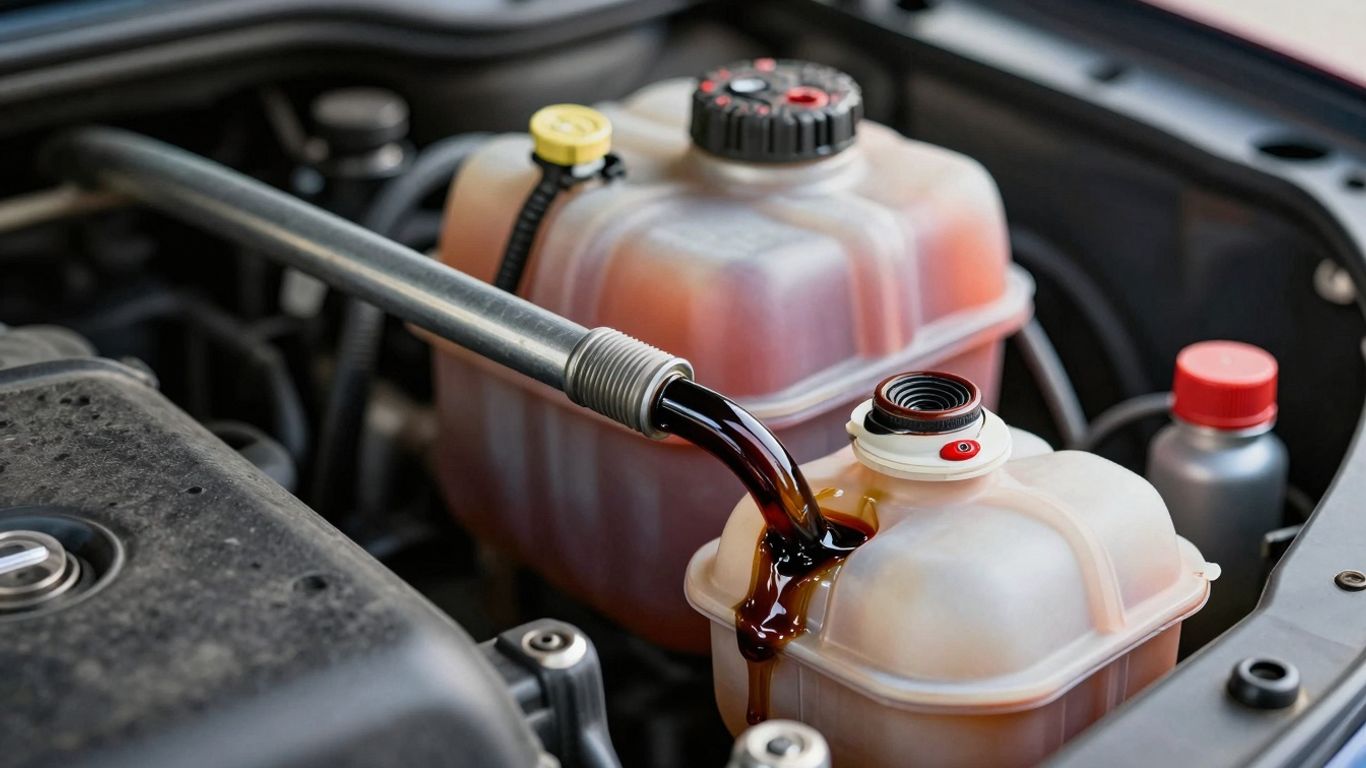
Transmission fluid. It’s kind of the lifeblood of your gearbox, right? It keeps everything running smoothly, lubricated, and cool. When this fluid gets old, low, or contaminated, it can cause all sorts of headaches for your Nissan. So, let’s talk about what to look for.
Identifying Transmission Fluid Leaks
Ever notice a puddle under your car after it’s been parked? If it’s reddish or brownish and has a slightly oily feel, that’s a strong indicator of a transmission fluid leak. These leaks aren’t just messy; they mean your transmission isn’t getting the lubrication it needs. Over time, this can lead to serious wear and tear on internal parts. You might see the fluid dripping from the transmission pan, seals, or lines. Don’t ignore these spots on your driveway; they’re a direct message from your car.
The Significance of a Burning Smell
That acrid, burning smell? It’s usually not a good sign, especially when it seems to be coming from the transmission area. This often happens when the transmission fluid overheats. Overheating can be caused by low fluid levels, a clogged filter, or the fluid itself breaking down and losing its effectiveness. If you catch this smell, it’s best to pull over safely and let the car cool down, then get it checked out. Continuing to drive with overheated fluid can cause irreversible damage.
Understanding Fluid Quality and Level Checks
Checking your transmission fluid is pretty straightforward, though it can be a bit trickier than checking your engine oil on some Nissan models. You’ll typically find the dipstick (often with a red or black handle) near the back of the engine bay. When you pull it out, look at the fluid on the end. It should be a bright red or slightly pinkish color and not smell burnt. If it’s dark brown, black, or smells burnt, it’s time for a change. Also, make sure the level is between the ‘hot’ and ‘cold’ marks on the dipstick. Low fluid is a major cause of transmission problems.
Keeping an eye on your transmission fluid is one of the simplest yet most effective ways to catch potential issues before they become major repairs. It’s a small bit of maintenance that can save you a lot of trouble down the road.
Here’s a quick look at what to expect when checking your fluid:
| Fluid Condition | Potential Issue |
|---|---|
| Bright Red/Pink, Clean | Normal Operation |
| Dark Brown or Black | Fluid Degradation, Overheating |
| Burnt Smell | Severe Overheating, Internal Damage |
| Low Level | Leak, Insufficient Lubrication |
Dashboard Indicators and Transmission Health
Interpreting the Transmission Warning Light
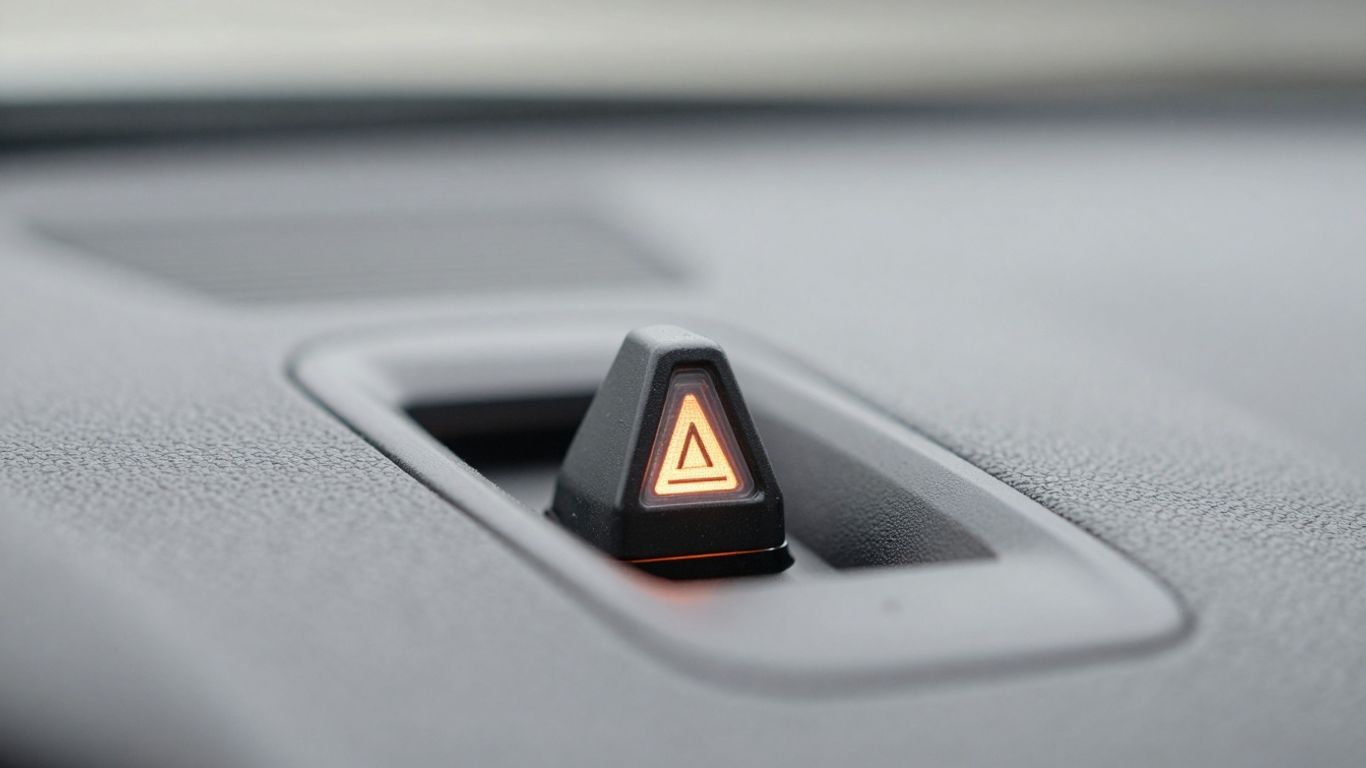
Your Nissan’s dashboard is like a little control panel for your car’s well-being, and sometimes, it’ll flash a warning about the gearbox. The most direct signal is usually a dedicated transmission warning light. This light might look like a gear with an exclamation mark inside, or it could simply say ‘Transmission’ or ‘Check Transmission’. When this light illuminates, it’s your car’s way of saying something needs attention, and it’s best not to ignore it. It could be anything from a minor sensor issue to a more serious internal problem. Don’t just hope it goes away; it’s a sign to get it checked out sooner rather than later.
When the Check Engine Light Signals Gearbox Problems
Sometimes, the transmission won’t have its own specific light. Instead, the good old ‘Check Engine’ light might come on. While this light often points to engine issues, it can also be triggered by transmission problems. Modern cars have complex systems where the engine and transmission work closely together. If the transmission isn’t performing as it should, it can affect how the engine runs, leading to the Check Engine light illuminating. This is especially true for automatic transmissions where electronic controls are heavily involved. It means the car’s computer has detected a fault in one of the systems it monitors, and that could very well be your gearbox.
It’s easy to dismiss dashboard lights, especially if the car still seems to be driving okay. But these indicators are there for a reason. They’re designed to alert you to potential issues before they become major, expensive problems. Think of them as your car’s way of asking for a little help.
Here’s a quick look at what some common dashboard lights might mean in relation to your transmission:
| Dashboard Light | Potential Transmission Issue |
|---|---|
| Dedicated Transmission Warning Light | Direct alert for gearbox malfunction or sensor error. |
| Check Engine Light (CEL) | Can indicate transmission performance issues affecting engine. |
| Overdrive (O/D) Off Light (if applicable) | May flash or stay on if transmission is stuck in a lower gear. |
| Traction Control Light | Can sometimes activate if transmission slippage is detected. |
The Importance of Proactive Transmission Maintenance
Taking care of your Nissan’s gearbox before it starts acting up is a smart move. Think of it like going to the dentist for regular check-ups – it’s way better to catch a small cavity early than to wait until you need a root canal, right? The same idea applies to your transmission. Regular attention can keep things running smoothly and save you a lot of headaches, not to mention cash, down the road.
Regular Fluid and Filter Replacements
Transmission fluid is the lifeblood of your gearbox. It lubricates all those moving parts, keeps things cool, and helps with shifting. Over time, this fluid can get dirty, break down, or even leak out. When that happens, friction goes up, parts can wear out faster, and your transmission starts to struggle. Changing the fluid and the filter regularly, following Nissan’s recommended schedule, is one of the simplest yet most effective ways to keep your transmission happy. It’s not just about topping it off; a full flush and replacement with fresh, clean fluid makes a big difference.
Routine Inspections for Early Detection
Beyond just fluid changes, having a mechanic give your transmission a once-over now and then can catch problems before they get serious. They can spot small leaks you might miss, check for unusual noises, or feel for any odd shifting patterns. Catching a worn seal or a slightly loose connection early can prevent a cascade of issues that could lead to a full transmission failure. It’s about being observant and letting the pros take a look.
Preventing Wear and Tear Through Proper Care
How you drive also plays a role. Avoid slamming the gears, especially in a manual. Don’t push your Nissan too hard, like towing way more than it’s rated for, as this puts extra strain on the transmission. Letting the car warm up a bit, especially in cold weather, allows the fluid to circulate properly before you hit the gas hard. These little habits add up over the years, helping your transmission last longer and perform better.
Sometimes, the best way to avoid a big repair bill is simply to pay attention to the little things. A bit of preventative care goes a long way in keeping your Nissan gearbox in good shape for years to come.
When to Seek Professional Nissan Gearbox Service
So, you’ve noticed some weird noises, maybe the car feels a bit sluggish, or that transmission warning light is staring you down. It’s easy to put off, thinking it might just be a minor hiccup. But when it comes to your Nissan’s gearbox, ignoring these signs can turn a small problem into a really expensive one. Getting a professional to look at it sooner rather than later is almost always the smartest move.
Understanding Diagnostic Processes
When you bring your Nissan in for a suspected gearbox issue, the technicians will start by running some tests. This isn’t just a quick look-see. They’ll likely hook up a diagnostic scanner to check for any electronic fault codes stored in the car’s computer. These codes can point them in the right direction, like a digital breadcrumb trail. Beyond that, they’ll do a hands-on inspection. This involves checking the transmission fluid level and condition – is it dark, burnt, or full of metal shavings? They’ll also listen for those tell-tale noises and might even take the car for a short test drive to feel how it’s shifting and engaging gears. It’s a systematic approach to pinpoint exactly what’s going on under the hood.
The Benefits of Expert Repair and Replacement
Let’s be real, gearbox repairs aren’t usually cheap. But trying to fix it yourself without the right tools or knowledge can end up costing you way more in the long run. Professional mechanics have specialized equipment and the training to handle complex transmission systems. They know the ins and outs of Nissan gearboxes, whether it’s a manual or an automatic. If a repair is needed, they can source the right parts and perform the job correctly the first time. In cases where replacement is the only option, they can ensure the new or rebuilt unit is installed properly, getting your car back to its best performance. It’s about getting it done right, so you don’t have to worry about it again anytime soon.
Ensuring Optimal Performance and Longevity
Taking your Nissan to a qualified shop for transmission service isn’t just about fixing a problem; it’s about keeping your car running smoothly and reliably for as long as possible. Regular check-ups and addressing issues promptly can prevent minor wear from turning into major damage, saving you money and headaches down the road.
Think of it like this: your transmission is a complex piece of machinery that works hard every time you drive. Regular maintenance, like fluid changes and filter replacements, along with professional inspections, helps keep all those moving parts lubricated and cool. This proactive care significantly extends the life of your gearbox and helps maintain your Nissan’s overall performance. When you get expert service, you’re investing in the longevity of your vehicle and ensuring it continues to drive the way it was designed to.
Don’t Wait, Get It Checked
So, you’ve heard some weird noises, maybe noticed a leak, or your Nissan just isn’t shifting like it used to. These aren’t things to just ignore, hoping they’ll fix themselves. Your gearbox is pretty important, and letting small problems turn into big ones can really cost you. Keeping an ear out for those odd sounds and paying attention to how your car feels on the road is your first line of defense. If you’re seeing any of the signs we talked about, it’s probably time to get it looked at by a pro. A quick check-up now could save you a whole lot of hassle and money down the road. Don’t let a failing transmission leave you stranded.