Looking to save a little cash at the pump and make your Nissan go further? You’re in the right place. Lots of people think getting better gas mileage is complicated, but it’s often about small changes. We’ll break down some straightforward tips to improve fuel efficiency in Nissan cars. These aren’t just for a specific model; many apply to most Nissans out there. Let’s get your car running smarter and save you some money.
Key Takeaways
- Drive smoothly: Avoid sudden starts and stops. Gentle acceleration and coasting to a stop use less gas.
- Keep a steady speed on the highway. Using cruise control helps maintain a consistent pace and saves fuel.
- Regular maintenance matters. Things like clean air filters and proper tire pressure make a big difference.
- Lighten the load. Don’t carry around extra weight in your car when you don’t need to.
- Plan your trips. Combining errands and avoiding peak traffic times cuts down on wasted fuel.
Optimize Your Driving Habits for Better Mileage
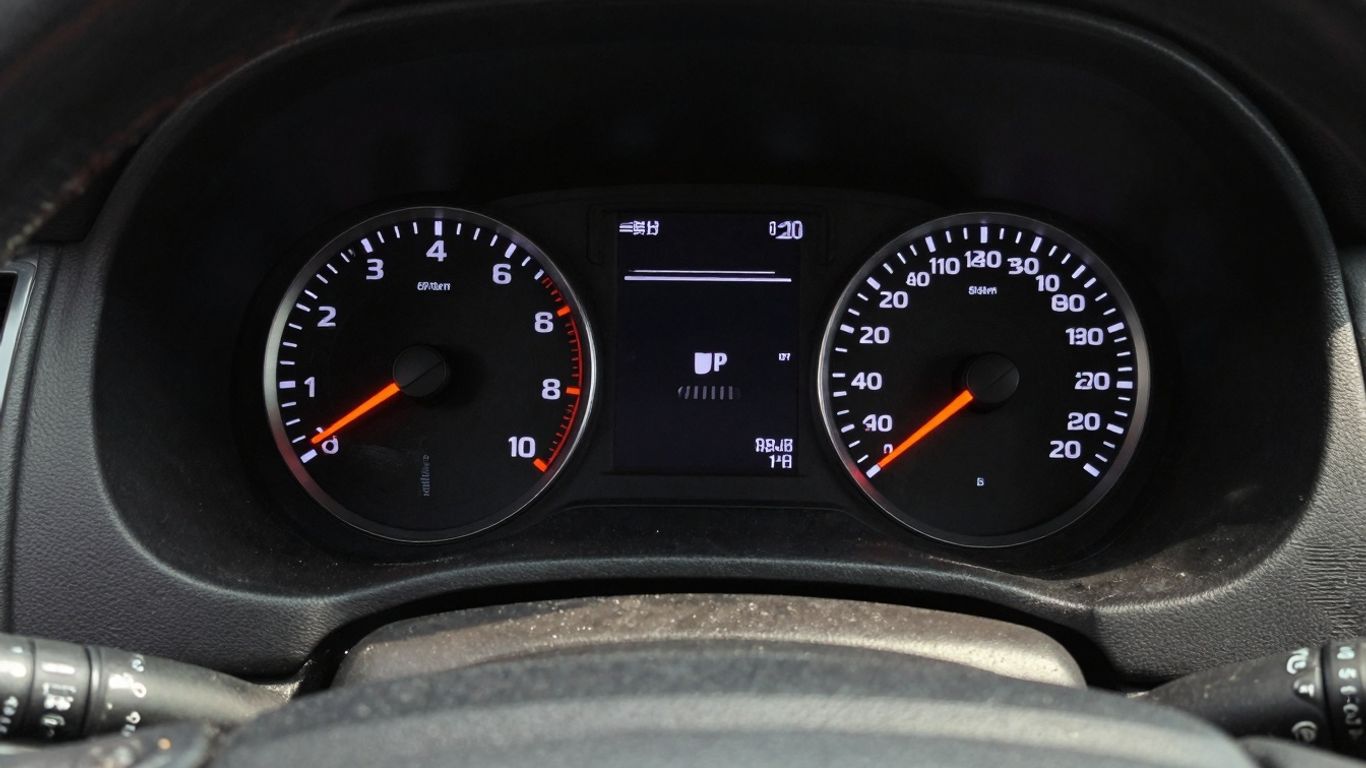
Think about how you drive your Nissan. It really makes a difference in how much gas you use. When you’re behind the wheel, try to be smooth. That means no sudden stomping on the gas pedal or slamming on the brakes. Gently pressing the accelerator lets your car build speed without guzzling extra fuel. And when you see a red light or need to slow down, ease off the gas early and let your car coast. This not only saves gas but is easier on your brakes too.
Embrace Smooth Acceleration and Braking
When you’re starting from a standstill, give your Nissan a little time to get going. A slow, steady increase in speed uses less fuel than flooring it. Likewise, when you need to stop, anticipate it. Lifting your foot off the gas pedal a bit before you actually need to brake allows your car to slow down naturally. This technique is like a gentle dance between you and your car, saving fuel and reducing wear.
Maintain Consistent Highway Speeds
On longer drives, especially on the highway, try to keep your speed steady. Constantly speeding up and slowing down burns more gas than you might think. Your Nissan’s engine works most efficiently when it’s running at a consistent pace. Fluctuating speeds mean the engine is constantly adjusting, which uses more fuel.
Utilize Cruise Control Effectively
This is where cruise control really shines. On highways or long, open roads, setting your cruise control to a steady speed is a fantastic way to save fuel. It takes the guesswork out of maintaining a consistent pace and prevents those little speed variations that add up. It’s not just about comfort; it’s a smart way to help your Nissan use less gas on longer trips.
Your driving style has a direct impact on your fuel consumption. Small adjustments can lead to noticeable savings over time, making your trips more economical and better for the environment.
Essential Maintenance for Peak Fuel Efficiency
Keeping your Nissan running smoothly is a big part of getting the best gas mileage. It’s not just about the fancy tech; sometimes, the basics make the biggest difference. Think of it like taking care of yourself – a little regular upkeep goes a long way.
Regular Engine Oil Changes
Engine oil is like the blood of your car’s engine. It keeps all the moving parts from grinding against each other and getting too hot. Over time, though, that oil gets dirty and doesn’t work as well. When that happens, your engine has to work harder, and that means it uses more gas. Sticking to your Nissan’s recommended oil change schedule means your engine stays well-lubricated and runs more efficiently. It’s a simple step, but it really helps.
Clean Air Filter Replacement
Your engine needs air to burn fuel, just like you need air to breathe. The air filter is there to catch all the dust and gunk before it gets into the engine. If that filter gets clogged up, it’s like trying to breathe through a straw – the engine struggles to get enough air. This makes it use more fuel to do its job. Swapping out a dirty air filter for a clean one lets your engine breathe easy, improving how well it burns fuel.
Proper Tire Inflation is Key
This one is super important and often overlooked. Your tires are the only part of your car that touches the road. When they’re not filled with the right amount of air, they don’t roll as smoothly. Underinflated tires create more drag, making your engine work harder to move the car forward. This wastes gas. Checking your tire pressure regularly and keeping them at the pressure recommended in your owner’s manual or on the sticker in the driver’s side door jamb is a quick win for better gas mileage. Plus, it’s safer and helps your tires last longer.
Keeping up with these maintenance tasks might seem like a chore, but they’re really investments. They help your Nissan perform better, use less fuel, and can even prevent bigger, more expensive problems down the road. It’s about getting the most out of your car and saving money at the pump.
Advanced Maintenance for Maximum MPG
Beyond the regular upkeep, a few extra steps can really make a difference in how far your Nissan goes on a tank of gas. Think of these as tune-ups for your wallet and the planet.
Ensure Proper Wheel Alignment
When your car’s wheels aren’t pointed straight, it’s like trying to walk with your feet turned in or out – it takes more effort. For your Nissan, misaligned wheels cause them to drag a bit, creating extra resistance. This means your engine has to work harder, burning more fuel just to keep moving. Getting your alignment checked means all four wheels are set to point in the same direction and are parallel. This helps your car roll more freely, saving you gas. Plus, good alignment helps your tires last longer and makes the car handle better.
Perform Regular Tire Rotations
Your tires don’t wear out evenly on their own. Depending on how you drive and where you drive, some tires might wear down faster than others. Rotating your tires means moving them around to different positions on the car. This helps them all wear down at a similar rate. Even wear is good for traction, how the car handles, and yes, your fuel economy. It’s like making sure everyone on a team does their fair share of the work.
Consider Fuel System Cleaning
Over time, gunk can build up in your fuel system. This can include things like deposits in the fuel injectors or other parts. When this happens, fuel doesn’t spray into the engine as well as it should, and the engine can’t burn it as efficiently. A professional cleaning can clear out these blockages. It helps the fuel injectors spray a fine mist, which the engine can then burn more completely. This can lead to better acceleration and, you guessed it, better gas mileage.
Sometimes, the smallest things can have the biggest impact. Keeping up with these less frequent but important maintenance tasks can really add up in terms of fuel savings and how your Nissan performs overall. It’s about giving your car the best chance to run smoothly and efficiently.
Strategic Planning for Fuel Savings
Declutter Your Vehicle to Reduce Weight
Think of your Nissan like a backpacker’s pack. You wouldn’t load it down with unnecessary gear for a long hike, right? Your car is the same way. Every extra pound you haul around, whether it’s in the trunk, backseat, or even stuffed in the door pockets, makes your engine work harder. And when the engine works harder, it uses more gas. So, before you head out, take a few minutes to do a quick sweep. Get rid of old sports equipment, tools you haven’t used in months, or even that forgotten bag of groceries from last week. Seriously, just a little bit of tidying up can make a noticeable difference in how far you go on a tank. Plus, a lighter car handles a bit better and stops more smoothly, which is always a good thing.
Every bit of weight removed from your vehicle means less strain on the engine and, consequently, better fuel economy. It’s a simple equation that pays off at the pump.
Plan Your Errands Efficiently
We’ve all been there: a list of things to do scattered all over town. The usual way is to just jump in the car and drive from one place to the next, often getting stuck in traffic. But there’s a smarter approach. Before you even start the engine, take a moment to look at your list and your map. Can you group errands that are close to each other? Maybe hit the grocery store and the dry cleaner on the same side of town. Also, think about when you’re going. Driving during busy rush hour means more stopping and starting, which burns more fuel. If you can, try to run errands during off-peak hours. For really short trips, maybe consider walking or biking if the weather’s nice. A little bit of planning ahead can save you a surprising amount of time and gas money, and honestly, it just makes the whole process less stressful.
Understanding Nissan’s Fuel-Saving Technologies
Explore Engine Updates for Efficiency
Nissan is always working on making their engines better. Newer models often come with engine designs that are more efficient than older ones. This means they can get more power out of less fuel. Think of it like getting more bang for your buck, but with gasoline. These updates aren’t always huge changes, but they add up over time to help you save money at the pump.
Leverage X-Tronic CVT Optimization
Many newer Nissans use what’s called an Xtronic Continuously Variable Transmission, or CVT. This isn’t like a traditional automatic transmission with fixed gears. Instead, it can change its gear ratio smoothly and continuously. This allows the engine to stay in its most efficient speed range more often, especially during highway driving or gentle acceleration. It’s designed to keep the engine working at its sweet spot for fuel economy.
Benefit from Aerodynamic Improvements
Have you ever noticed how some cars look sleeker than others? That’s often due to aerodynamics. Nissan designs its cars to cut through the air with less resistance. Smoother body shapes, underbody panels, and even the way the mirrors are shaped all play a part. Less air resistance means the engine doesn’t have to work as hard to push the car forward, which directly helps with fuel efficiency. It’s like making the car more slippery so it glides through the wind.
Nissan’s engineers put a lot of thought into how the car moves through the air. Even small tweaks can make a difference in how much fuel you use on your daily drives. It’s a quiet technology, but it’s working hard to save you money.
| Technology | Benefit |
|---|---|
| Xtronic CVT | Keeps engine in optimal efficiency range |
| Aerodynamic Design | Reduces air resistance, less engine strain |
| Engine Updates | Improved power from less fuel consumption |
Keep Rolling Efficiently
So there you have it – a bunch of ways to help your Nissan sip fuel instead of guzzling it. It’s not rocket science, really. Little changes in how you drive, keeping up with basic maintenance like checking tire pressure and getting oil changes, and even just cleaning out your car can add up. Think of it like this: your Nissan is a pretty smart car, but it needs your help to be its most efficient self. By putting these tips into practice, you’ll not only save some cash at the pump, which is always nice, but you’ll also be doing your part for the environment. Happy, efficient driving!