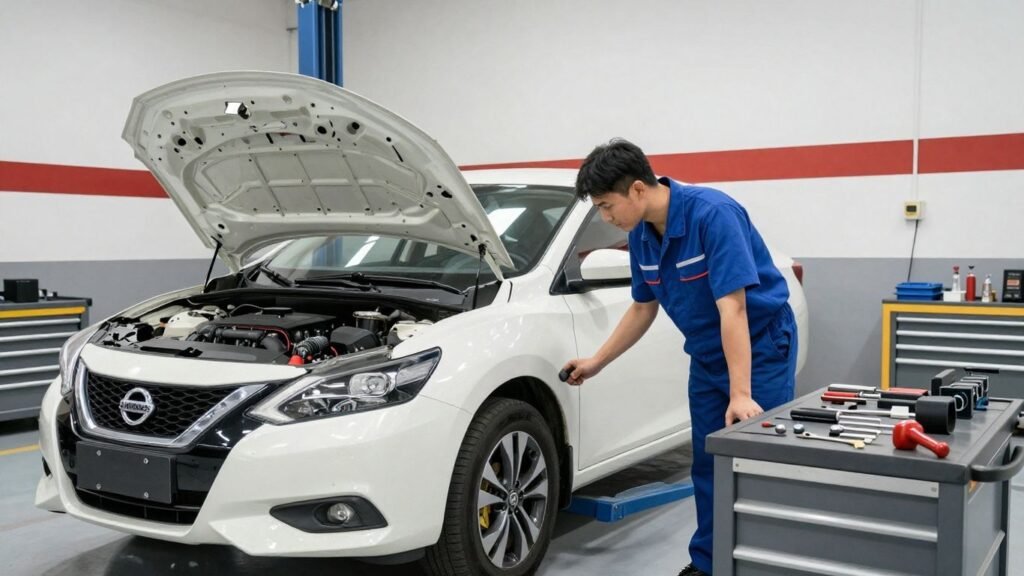
You know, that little light on your dashboard? It’s not just for show. And that weird noise your car’s been making? It’s not going to fix itself. We’ve all been there, putting off a trip to the mechanic because life gets busy or we think it’s just a minor thing. But here’s the deal: ignoring those small signs is like playing a game of automotive roulette. Why regular Nissan servicing prevents costly repairs is all about being smart and proactive. It’s about taking care of your car before it takes care of you, in a way that costs a fortune.
Key Takeaways
- Catching small problems early stops them from turning into big, expensive ones. A mechanic who knows your car can spot issues before they get serious.
- Sticking with one service center means they learn your car’s specific needs, offering advice tailored to how you drive and where you drive.
- When it’s time to sell, a complete service history from a certified dealer makes your Nissan more attractive and can get you more money.
- Certified technicians and genuine Nissan parts mean your car gets the right care, keeping it running well and staying safe.
- Regular check-ups keep your car running efficiently, saving you money on gas and preventing unexpected breakdowns that ruin your day.
Proactive Maintenance Prevents Costly Nissan Repairs
Think of regular Nissan servicing like going to the doctor for check-ups. You don’t wait until you’re really sick to see a doctor, right? It’s the same idea with your car. Catching small problems early can stop them from turning into big, expensive headaches down the road. A little attention now saves a lot of money later.
Spotting Developing Issues Early
When you stick with a regular service schedule, the mechanics get to know your car. They start to notice little things that might seem insignificant to you, like a slight change in how the engine sounds or a bit more wear on a tire than usual. These aren’t usually big deals on their own, but they can be early signs that something else might be brewing. For instance, a mechanic might see that your brake pads are wearing unevenly, which could point to a problem with the caliper. Or maybe they notice a small fluid leak that, if ignored, could lead to serious engine damage. These early warnings are your best defense against major breakdowns.
Personalized Service Recommendations
Your car isn’t just a car; it’s part of your life. How you use it matters. Do you drive mostly in the city, making short trips? Or do you spend hours on the highway every week? Maybe you tow things or drive in tough weather conditions. A good service center pays attention to this. They can suggest maintenance that fits your specific driving habits, not just a generic schedule. This means you might not need certain services as often as someone who drives differently, or you might need them sooner. It’s about getting the right care for your car, based on how you actually use it.
Streamlined Warranty Claim Processes
If something goes wrong with your Nissan while it’s still under warranty, having a clear record of your maintenance is super important. When you get your car serviced regularly at a place that keeps good records, it makes filing a warranty claim much smoother. The service center can easily show Nissan that you’ve been taking care of the car as recommended. This can prevent delays or arguments when you need that warranty to cover a repair. It’s all about having the paperwork in order to make things easy when you need them to be.
Keeping up with your car’s maintenance schedule isn’t just about fixing things when they break. It’s about preventing them from breaking in the first place. Think of it as an investment in your car’s future, and your own peace of mind on the road.
| Service Type | Typical Interval | Potential Cost of Neglect |
|---|---|---|
| Oil Change | 5,000-7,500 miles | Engine damage, reduced fuel economy |
| Brake Inspection | Annually | Rotor/pad replacement, brake failure |
| Tire Rotation | 5,000-7,500 miles | Uneven wear, reduced tire life, poor handling |
The Value of Consistent Nissan Service History
Building a Relationship with Your Service Center
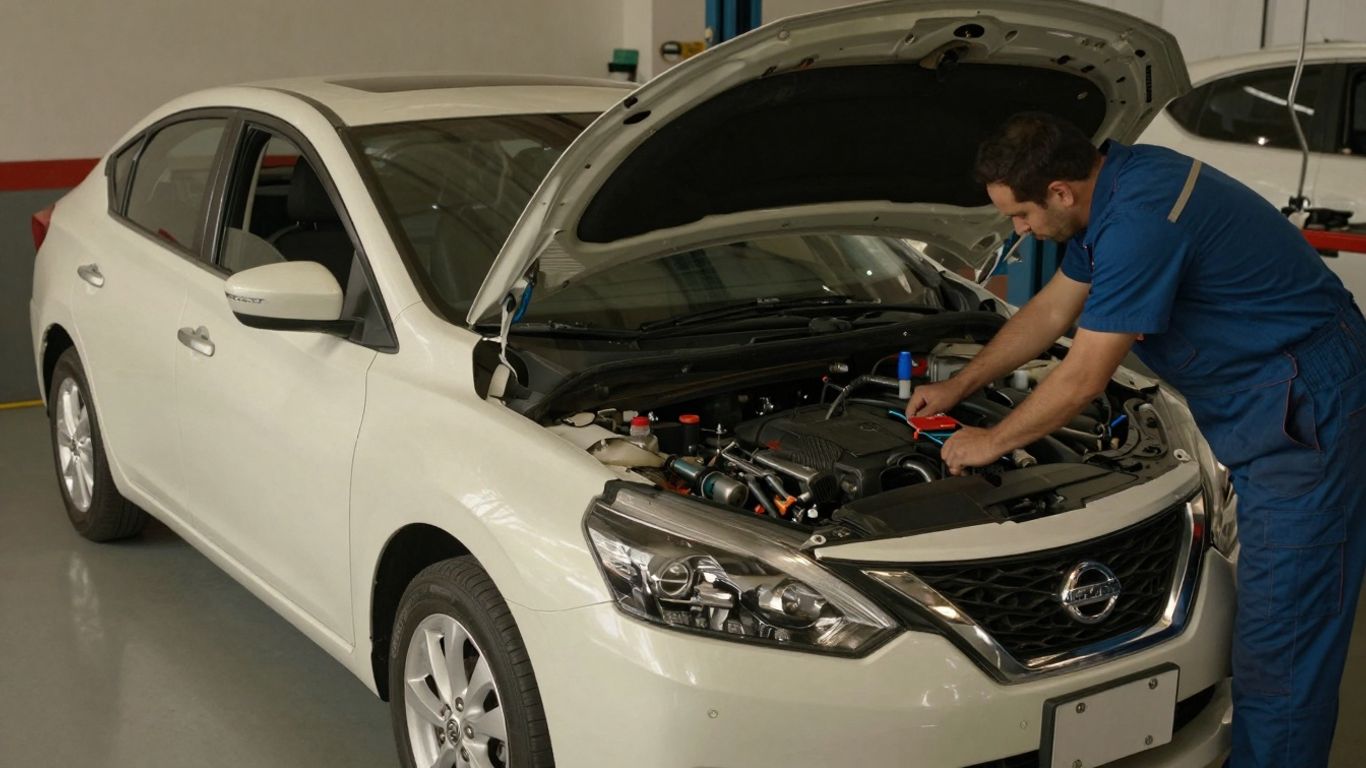
Think about it: you wouldn’t go to a different doctor every time you felt a little under the weather, right? The same idea applies to your Nissan. When you stick with one trusted service center, the technicians and service advisors start to really get to know your car. They see it regularly, so they can spot little things that might be starting to go wrong before they become big, expensive problems. It’s like having a personal doctor for your vehicle. They remember if your car has a funny noise when it starts on cold mornings or if you tend to drive more in the city versus on the highway. This kind of history means they can give you advice that’s actually useful for your specific car and your driving habits.
Understanding Your Vehicle’s Unique Needs
Every car is a bit different, even within the same model. A consistent service history means the people working on your Nissan have a detailed record of its life. They know what’s been done, what parts have been replaced, and how the car has performed over time. This allows them to make recommendations that are tailored just for your vehicle. Maybe your particular car tends to wear out its front tires a bit faster, or perhaps it benefits from a specific type of fluid due to how you use it. A shop that sees your car regularly can pick up on these patterns and suggest maintenance that keeps it running smoothly and prevents future issues. It’s about proactive care based on real history, not just a generic checklist.
Maximizing Your Nissan’s Resale Value
When it’s time to sell your Nissan or trade it in, a complete and consistent service record is a huge selling point. Buyers want to know that a car has been well taken care of. A history that shows regular maintenance performed by certified technicians at the same place gives them confidence. It proves you’ve been diligent about upkeep. This kind of documentation can make a real difference in how much you can get for your car. It’s not just about the repairs done, but the story the records tell about your vehicle’s life.
A well-documented service history isn’t just paperwork; it’s a testament to your vehicle’s care and a significant factor in its long-term value and reliability. It provides peace of mind for you now and a strong advantage when it’s time for a new owner.
| Service Type | Typical Cost (New Vehicle) | Typical Cost (5 Years Old) |
|---|---|---|
| Oil Change | $75 | $85 |
| Tire Rotation | $50 | $55 |
| Brake Check | $60 | $70 |
Signs of a Trustworthy Nissan Service Department
Certified Technicians and Factory Training
When you’re looking for a place to get your Nissan serviced, you want to know the people working on it actually know what they’re doing. A good service center will proudly show off their technicians’ credentials. Look for places that have technicians who’ve gone through Nissan’s own training programs. This means they’ve been taught the ins and outs of your specific vehicle, straight from the source. They’ll know about everything from the engine to the fancy new tech features. It’s not just about having a mechanic; it’s about having a Nissan specialist.
Transparent Pricing and Itemized Estimates
Nobody likes getting a bill that’s full of surprises. A trustworthy service department will always give you a clear estimate before they start any work. This estimate should break down exactly what you’re paying for – parts, labor, everything. They should be able to explain each line item to you. If they just give you a total number without any details, or if the final bill is way higher than the estimate, that’s a big red flag. You should know what you’re paying for, plain and simple.
Digital Service Records and National Database Logging
Keeping track of your car’s service history is important, especially if you plan to sell it later or need to make a warranty claim. A modern, reliable service center will log all your maintenance and repairs into Nissan’s national database. This makes it easy to prove you’ve taken good care of your car. It’s like having a digital passport for your vehicle’s health. This also helps them keep track of your car’s specific needs over time, which can help them spot potential problems before they get serious.
A service department that’s upfront about costs, has well-trained staff, and keeps good digital records is a keeper. It shows they respect your time and your vehicle.
It’s really about feeling comfortable and confident that your car is in good hands. If a place seems shady with its pricing or can’t show you proof of their technicians’ training, it might be worth looking elsewhere. You want a partner in keeping your Nissan running smoothly, not someone who makes you feel uneasy.
Avoiding Service Red Flags
Beware of Vague Repair Estimates
When you take your Nissan in for service, you should always get a clear picture of what you’re paying for. A shop that hands you a bill with a single, large number for ‘repairs’ without explaining what that covers is definitely a cause for concern. You deserve to know exactly what parts are being replaced and how much labor is involved. It’s like ordering food and just being told the total cost without seeing the menu or knowing what dishes are included. A trustworthy service center will always provide an itemized estimate before starting any work. This breakdown allows you to understand the charges and ask questions if something doesn’t seem right. If they can’t or won’t give you this detail, it’s a big warning sign.
Question Lack of Visible Certifications
Think about it: you wouldn’t go to a doctor who wasn’t certified, right? The same applies to your car. Technicians who work on Nissans should have specific training and certifications. A good service department will proudly display these credentials, showing they’ve invested in their team’s knowledge. If you ask about certifications and they get cagey or can’t show you proof that their mechanics are factory-trained or have advanced Nissan certifications, that’s a red flag. It suggests they might not have the specialized skills needed to properly care for your specific model, potentially leading to mistakes.
Recognize High-Pressure Upselling Tactics
Sometimes, you might go in for a simple oil change and suddenly be told you need a whole list of other expensive services. While some recommendations might be legitimate, be wary of mechanics who push hard for extra work that doesn’t seem immediately necessary or isn’t supported by your car’s maintenance schedule. They might try to convince you that a minor issue is a major problem requiring immediate, costly attention. It’s important to remember that you have the right to say no to services you’re not comfortable with. If a service advisor is being overly pushy or making you feel pressured, it’s a good idea to get a second opinion from a different, more reputable shop.
It’s easy to get caught up in the moment, especially when you’re worried about your car. But taking a deep breath and asking for clear explanations, itemized costs, and proof of qualifications can save you a lot of headaches and money down the road. Don’t be afraid to question things; your vehicle’s health and your wallet depend on it.
Safety and Reliability Through Regular Servicing
Preventing Roadside Emergencies
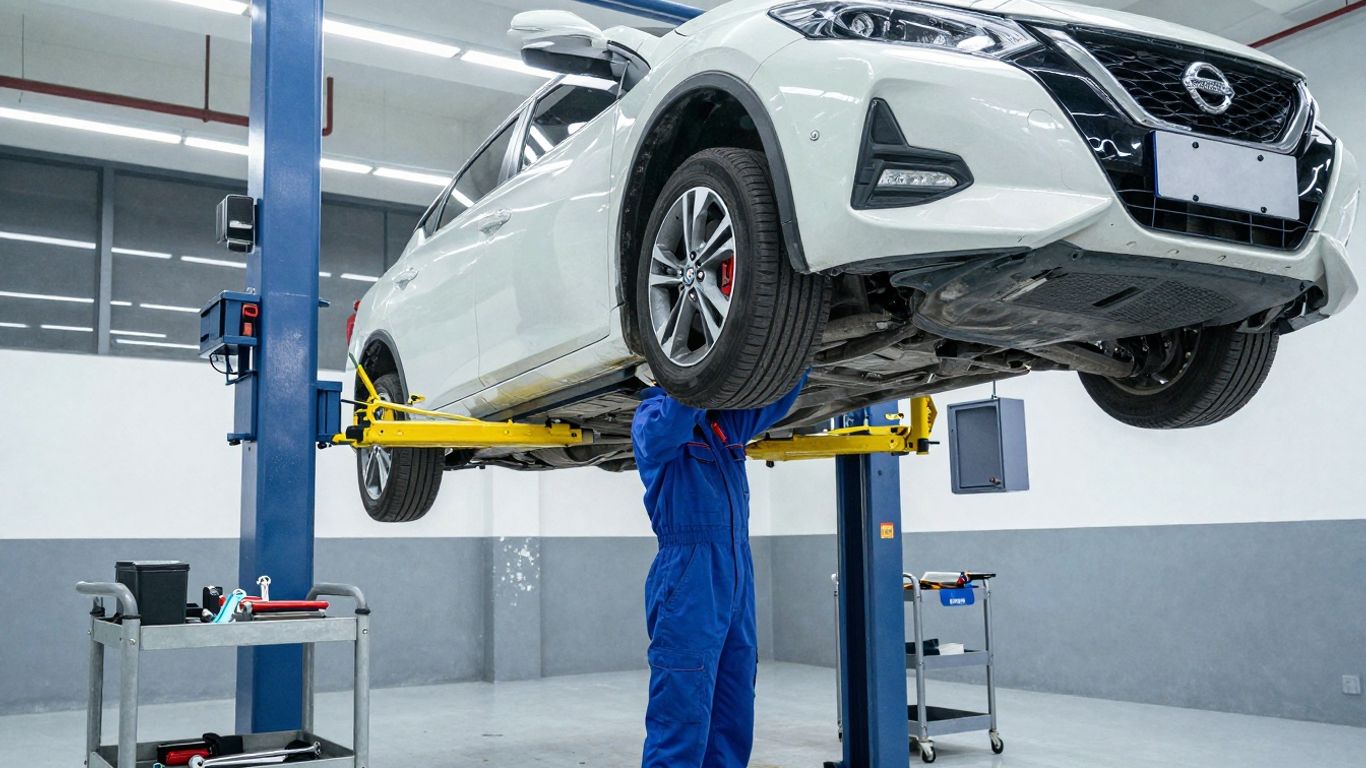
Nobody wants to get stranded on the side of the road, right? It’s a huge hassle, and honestly, pretty stressful. Regular check-ups on your Nissan are like giving it a pep talk, making sure all its parts are ready for the road. We’re talking about things like making sure your battery isn’t about to give up the ghost, especially when it’s freezing outside or scorching hot. A quick look at the belts and hoses can stop a major breakdown before it even starts. It’s way better to spend a little time in the shop now than to be stuck waiting for a tow truck later.
Ensuring Optimal Brake and Tire Performance
Your brakes and tires are pretty important for, you know, stopping and staying on the road. When they’re worn out, it’s not just about a longer stopping distance; it can actually be dangerous. We check the brake pads, rotors, and fluid levels to make sure they’re in good shape. Same goes for your tires – we look at the tread depth and make sure they’re inflated correctly. Properly maintained brakes and tires mean you can drive with more confidence, no matter the weather.
| Component | Check Frequency | Potential Issue if Ignored |
|---|---|---|
| Brake Pads | Every 6 months | Increased stopping distance, brake failure |
| Tires | Every oil change | Blowout, hydroplaning, uneven wear |
| Brake Fluid | Annually | Reduced braking power, corrosion |
Maintaining Critical Safety Components
Beyond the obvious brakes and tires, your Nissan has a bunch of other systems that keep you safe. Think about your lights – are they all working? What about your wipers, especially if you live somewhere with unpredictable weather? Even something like the suspension needs to be in good shape for a smooth and controlled ride. Regular servicing means these often-overlooked parts get attention, so they’re ready when you need them most. It’s all about keeping your car running right, so you and your passengers stay safe.
Ignoring small noises or dashboard lights is like ignoring a small cut that could get infected. It might seem minor now, but it can turn into a much bigger, more expensive problem down the line. Regular checks catch these things early.
Maximizing Efficiency and Longevity
Keeping your Nissan running smoothly isn’t just about avoiding breakdowns; it’s also about making sure it performs at its best day in and day out. Regular check-ups and upkeep play a big role in how well your car uses gas and how long it lasts overall. Think of it like taking care of yourself – eating right and exercising helps you feel better and live longer, and the same idea applies to your vehicle.
Improving Fuel Economy
When your Nissan gets its regular tune-ups, things like oil changes, air filter replacements, and tire rotations are done. Clean oil helps the engine parts move freely, reducing friction. A clean air filter means the engine gets the air it needs to burn fuel properly. Properly inflated tires also make a difference; underinflated tires create more drag, making your engine work harder and use more gas. A well-maintained Nissan can genuinely save you money at the pump.
Here’s a quick look at how different maintenance aspects can affect your gas mileage:
| Maintenance Item | Impact on Fuel Economy |
|---|---|
| Regular Oil Changes | Positive |
| Clean Air Filter | Positive |
| Properly Inflated Tires | Positive |
| Wheel Alignment | Positive |
| Spark Plug Replacement | Positive |
Reducing Environmental Impact
It makes sense that if your car is using less fuel, it’s also putting fewer emissions into the air. When an engine runs efficiently, it burns fuel more completely, which means less unburned fuel and fewer pollutants are released. So, by keeping up with your Nissan’s service schedule, you’re not only saving money but also doing a small part to help the environment. It’s a win-win situation, really.
A car that’s running efficiently means less waste and a cleaner exhaust. It’s a simple connection, but an important one for anyone thinking about their impact on the planet. Keeping your Nissan in good shape helps it run cleaner.
Extending Your Vehicle’s Lifespan
This is where regular servicing really shines. By catching small issues before they become big problems, you prevent damage that could shorten your car’s life. For instance, if a small coolant leak isn’t fixed, it could lead to the engine overheating, causing serious and expensive damage. Similarly, worn brake pads should be replaced before they damage the rotors, which is a much costlier repair. Consistent care means your Nissan is less likely to suffer major component failures, allowing it to serve you reliably for many years and miles to come.
Leveraging Advanced Nissan Technology
Modern Nissan vehicles are packed with sophisticated tech, and keeping them running right means using the right tools. Think of it like this: you wouldn’t try to fix a complex computer problem with just a hammer, right? The same goes for your car. Certified Nissan service centers have access to specialized diagnostic equipment that independent shops just don’t have. This isn’t just about reading a basic error code; it’s about getting a deep look into your car’s systems.
Utilizing Proprietary Diagnostic Tools
Nissan dealerships use a system called CONSULT. It’s the factory’s own diagnostic software, and it’s pretty powerful. Technicians can use it to do all sorts of things, from programming new keys and updating your car’s software to making sure things like the cameras and sensors for driver-assist features are perfectly aligned. Generic scanners used by many other shops can’t do this level of detailed work. They might tell you there’s an issue, but they often can’t pinpoint the exact problem or fix it properly, especially with newer systems like those in electric vehicles or advanced safety suites.
Ensuring Genuine Nissan Parts Usage
When your Nissan needs a new part, the best place to get it is from Nissan itself. Certified service centers are required to use genuine Nissan parts. These parts are made specifically for your car model, so they fit right and work the way they’re supposed to. Using these parts helps your car perform at its best and last longer. Plus, genuine parts usually come with their own warranty, which is a nice bit of extra security.
Maintaining Factory Warranty Compliance
Keeping up with your scheduled maintenance at a Nissan-certified facility is super important for your warranty. Every service is logged in Nissan’s national database. This creates a clear record that shows you’ve been taking care of your car according to the manufacturer’s guidelines. If something goes wrong down the line and it’s covered by your warranty, having this documented history makes the whole process much smoother. It can prevent headaches and potential denial of claims.
The technology inside today’s cars is complex. Using the right diagnostic tools and genuine parts at a certified service center means your Nissan is getting the most accurate care possible. This helps avoid bigger problems later and keeps your car running reliably.
Here’s a quick look at what makes this technology advantage so significant:
| Service Type | Certified Nissan Center | Typical Independent Shop |
|---|---|---|
| Diagnostics | Proprietary tools (e.g., CONSULT) | Generic OBD-II scanners |
| Part Quality | Genuine Nissan OEM parts | Aftermarket or OEM parts |
| Warranty | Maintained and documented | May be jeopardized |
| Calibration | Factory-specific procedures | Limited or unavailable |
Keep Your Nissan Running Smoothly
So, really, it all comes down to this: taking care of your Nissan with regular service at a place that knows it inside and out is just smart. It’s not just about avoiding those big, scary repair bills that pop up out of nowhere. It’s about keeping your car running right, day in and day out, so you’re not stuck on the side of the road. Plus, when it’s time to sell or trade it in, having all those service records neatly organized makes a huge difference. Think of it as an investment in your car’s future, and honestly, your own peace of mind. Don’t wait for something to break; stay ahead of the game and keep your Nissan happy.