
How Nissan Wreckers Help Reduce Auto Waste: A Guide to Sustainable Car Disposal
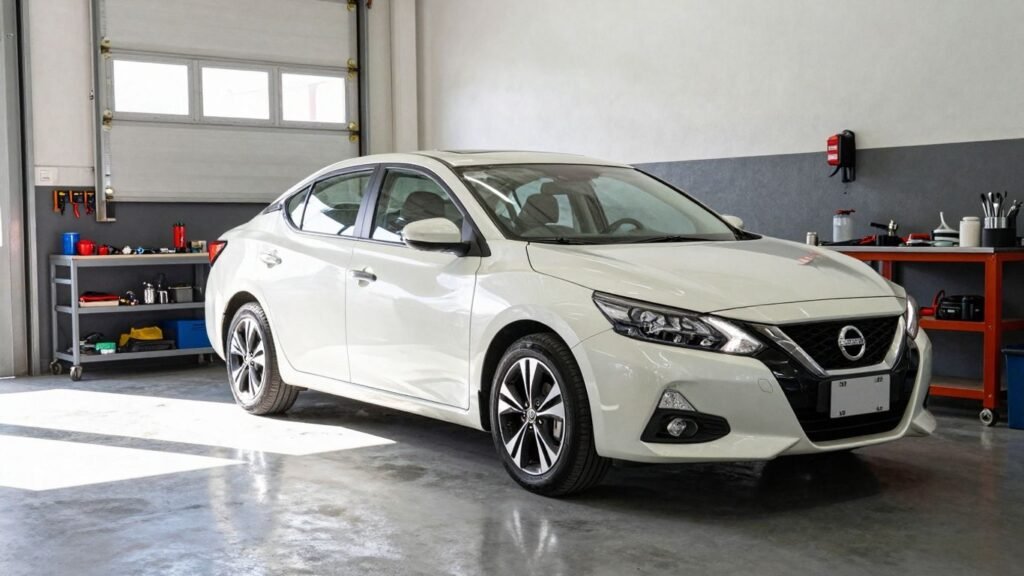
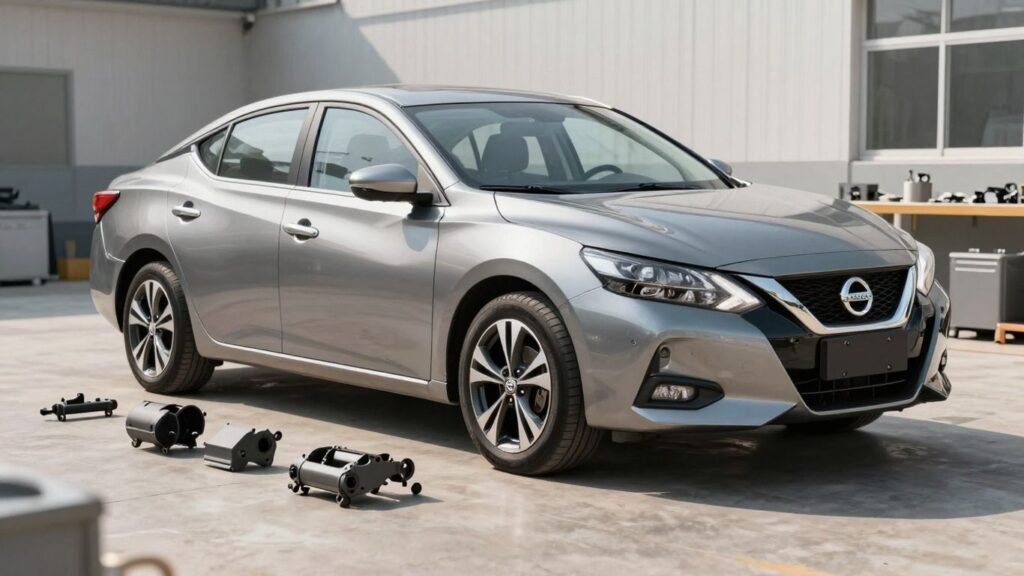
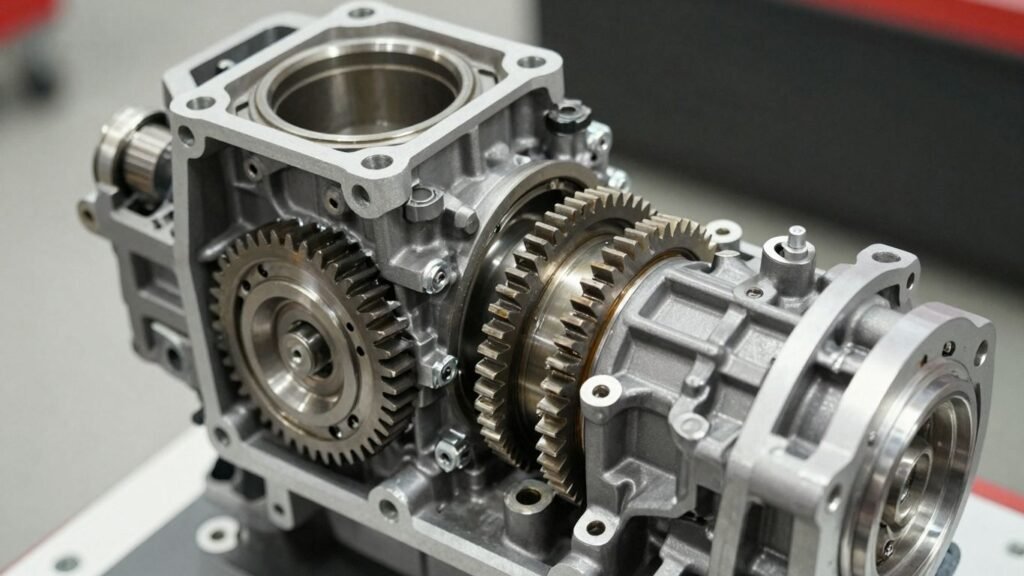
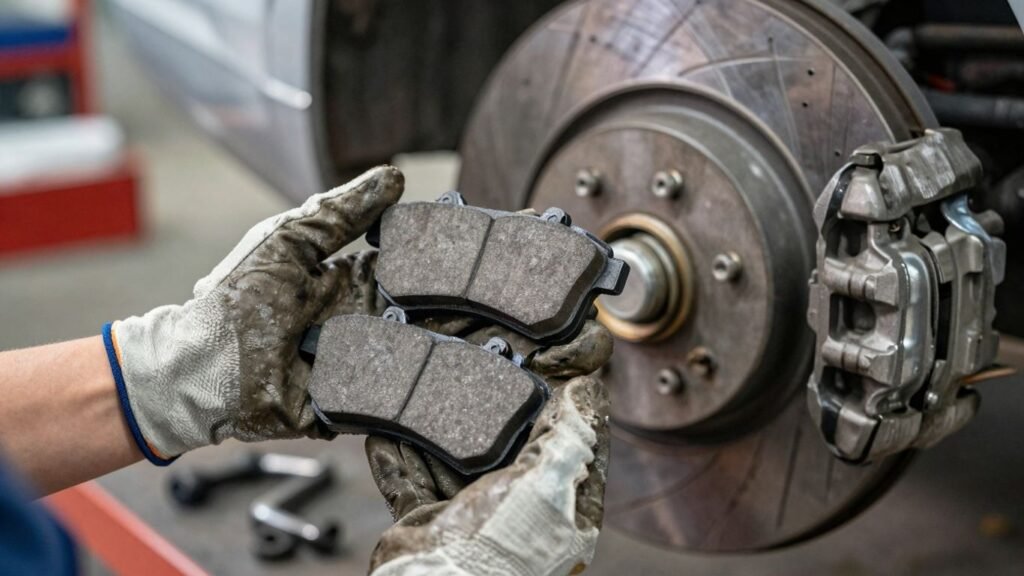
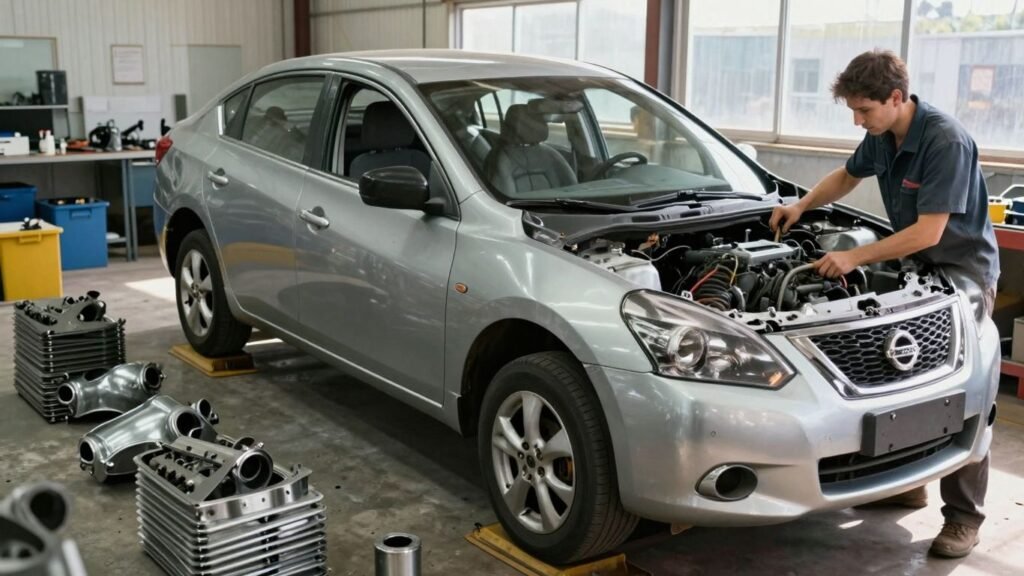
Thinking about what to do with your old Nissan? Instead of just letting it sit or heading straight to the dump, there’s a much smarter way to go. Nissan wreckers offer a fantastic solution, not just for your wallet, but for the planet too. They’re basically experts at taking cars that have seen better days and finding new life for their parts. This whole process is a big deal for cutting down on car waste, and it’s simpler than you might think. Let’s look at how Nissan wreckers help reduce auto waste and why it’s a good idea to use them. Key Takeaways Nissan wreckers play a vital role in reducing auto waste by salvaging and recycling usable parts from end-of-life vehicles. Choosing Nissan wreckers helps conserve natural resources and lowers greenhouse gas emissions compared to manufacturing new parts. The value of a Nissan for wrecking depends on its condition, model, age, and the current demand for its specific parts. Nissan is committed to a circular economy, with processes in place to repurpose and recycle components, including hazardous materials, responsibly. Reputable Nissan wreckers provide cost-effective, quality alternatives to new OEM parts and can be found through online directories, manufacturer resources, and owner recommendations. Understanding How Nissan Wreckers Help Reduce Auto Waste What Are Nissan Auto Wreckers? Nissan auto wreckers are basically specialized businesses that deal with old or damaged Nissan vehicles. Instead of just crushing them and sending them off to a landfill, they carefully take them apart. Think of them as mechanics who are really good at salvaging usable parts from cars that have reached the end of their road. They’re a big part of the auto dismantling world, focusing specifically on Nissan models. Their main job is to get those still-good parts out so they can be sold again, and to handle the rest of the car in an eco-friendly way. It’s a service that helps car owners get affordable replacements and also helps the environment. The Role of Nissan Wreckers in Sustainability These wreckers play a pretty significant role when it comes to being sustainable. When a car is wrecked, a lot of its components can still be perfectly fine. Instead of making new parts from scratch, which uses up a lot of energy and raw materials, wreckers give these existing parts a second life. This means fewer resources are mined or manufactured, and less waste ends up in landfills. It’s a direct way to cut down on the environmental impact of cars. They’re essentially part of a bigger effort to keep useful materials in circulation for as long as possible, which is a core idea in making things more sustainable. The automotive industry has a huge footprint. By choosing to recycle and reuse parts from vehicles that are no longer roadworthy, we’re actively participating in a solution rather than contributing to the problem. It’s about seeing value where others might see junk. Nissan’s Commitment to a Circular Economy Nissan itself is actually working towards what’s called a circular economy. This is a system where waste is minimized, and resources are kept in use for as long as they can be. Auto wreckers fit right into this. They help close the loop by taking old cars and making sure their parts are either reused or recycled properly. This reduces the need for new manufacturing, which in turn cuts down on pollution and the use of virgin materials. It’s a smart way to manage resources and reduce waste, aligning with Nissan’s broader goals for a greener future. The Environmental Benefits of Choosing Nissan Wreckers Reducing Landfill Waste Through Part Recycling When a Nissan reaches the end of its road, so to speak, it doesn’t have to just become a pile of junk taking up space. Nissan wreckers play a big part in stopping that from happening. They take these old cars and carefully take them apart, salvaging usable parts. Think of it like a mechanic’s treasure chest. Instead of tossing a perfectly good alternator or a set of headlights, they get cleaned up and offered for sale again. This means fewer whole cars end up in landfills, which are already overflowing. Every part that gets a second life is one less item contributing to land pollution. It’s a simple idea, but it makes a huge difference in keeping our planet cleaner. Conserving Natural Resources Making new car parts from scratch uses a lot of raw materials. We’re talking metals, plastics, and other stuff that has to be mined or manufactured. This whole process uses energy and can really impact the environment. When you choose to buy a used part from a Nissan wrecker, you’re cutting down on the need for all that new production. It’s like giving Mother Nature a break. Less mining, less manufacturing, and less energy used means we’re preserving our planet’s resources for the future. It’s a smart way to keep cars running without constantly depleting what we have. Lowering Greenhouse Gas Emissions The manufacturing of new car parts is a pretty energy-intensive business, and that often means a lot of greenhouse gases get pumped into the atmosphere. Think about the factories, the transportation of materials, and the whole production line. It all adds up. By opting for recycled Nissan parts, you’re sidestepping a big chunk of that industrial process. This directly helps to reduce the overall carbon footprint associated with keeping cars on the road. It’s a way to be a responsible car owner and help combat climate change, one used part at a time. Choosing recycled parts isn’t just about saving money; it’s a conscious decision to support a more sustainable automotive ecosystem. It’s about recognizing that old parts still have value and can contribute to a healthier planet. Key Factors in Nissan Vehicle Assessment for Wrecking So, you’ve decided to part ways with your old Nissan, and you’re looking into wrecking it. That’s a smart move for both your wallet and the planet. But how do these wreckers figure out what