Just Nissans

Blog

Your blog category

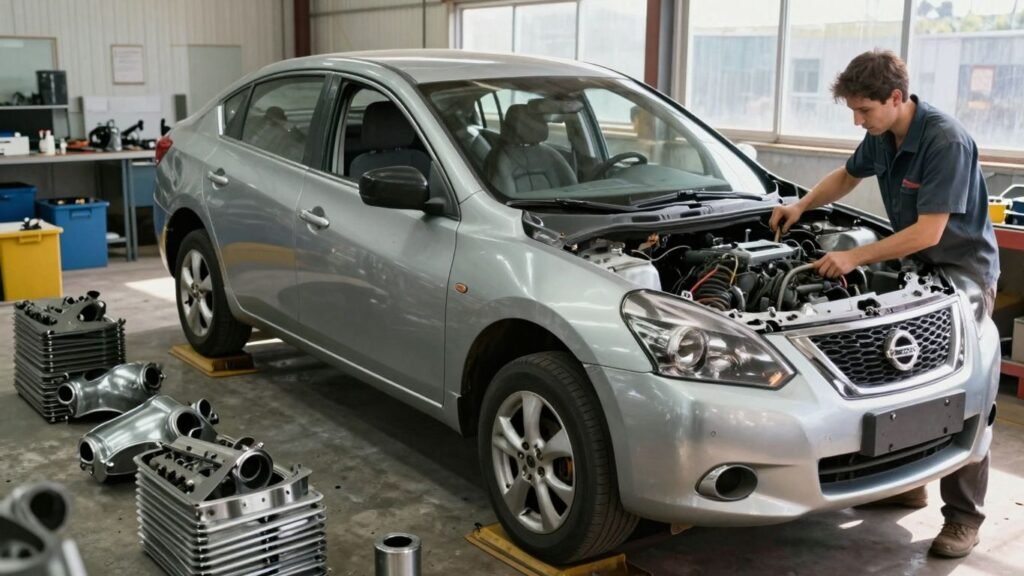
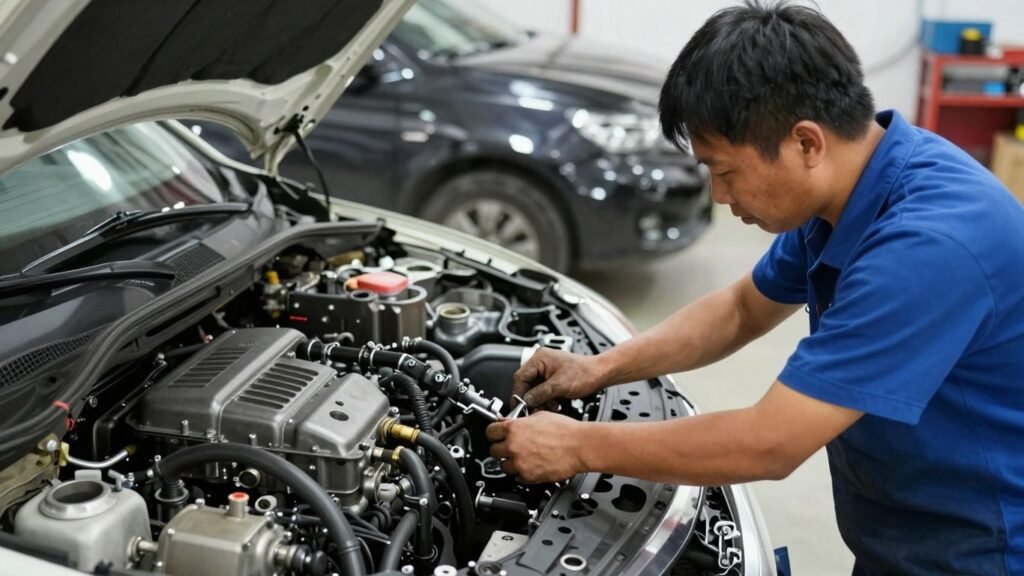
Nissan car parts at a wrecking yard.
Blog

Discover the Top Reasons to Choose Nissan Wreckers in Australia for Your Next Part

Looking for parts for your Nissan and trying to keep costs down? You’ve probably heard about car wreckers, and for good reason. Using Nissan wreckers in Australia can be a really smart move for getting your car back on the road without emptying your wallet. It’s not just about saving money, though. These places often have a huge selection of parts, including genuine ones, and they know their stuff. Let’s dive into the top reasons to choose Nissan wreckers in Australia for your next part. Key Takeaways Choosing Nissan wreckers in Australia offers significant cost savings compared to buying new parts, making repairs more affordable. Wreckers typically have an extensive inventory of parts for various Nissan models, increasing the chances of finding what you need quickly. You can often find genuine OEM Nissan parts at wreckers, ensuring quality and proper fit for your vehicle. Reputable wreckers inspect their parts, providing a level of quality assurance and compatibility assurance for your purchase. Opting for used parts from Nissan wreckers is an environmentally friendly choice, promoting recycling and reducing waste. 1. Cost Savings When your Nissan needs a part, heading to a wrecker is often the smartest move for your wallet. You can snag quality used parts for a fraction of what a brand-new component would cost. Think about it – a replacement alternator for a Nissan Pulsar might set you back hundreds new, but a tested, used one from a reputable wrecker could be less than half that price. This kind of saving really adds up, especially if you’re doing multiple repairs or working on an older vehicle where the cost of new parts might just not make sense. Part Type New Price (Est.) Used Wrecker Price (Est.) Nissan Navara Bumper $500 – $1200 $150 – $400 Nissan Tiida Headlight $150 – $300 $50 – $100 Nissan Micra Alternator $300 – $600 $100 – $200 It’s not just about the initial price, either. By choosing used parts, you’re also cutting down on the resources needed to manufacture new ones. It’s a win for your budget and a win for the planet, reducing waste and the energy consumption associated with making parts from scratch. So, before you commit to buying new, always check out what the Nissan wreckers in Australia have to offer. You might be surprised at how much you can save. 2. Extensive Inventory When you’re hunting for a specific Nissan part, the sheer volume of options can be overwhelming. That’s where a good Nissan wrecker really shines. They typically have a massive stock of parts from all sorts of Nissan models, both new and used. Think about it – instead of calling around to a dozen different places, you can often find exactly what you need in one go. This saves you a ton of time and hassle. It’s not just about having a lot of parts; it’s about having the right parts. A well-stocked wrecker will have everything from common engine components and body panels to more obscure interior bits and electronic modules. This wide selection means your repair or restoration project can move forward without frustrating delays. The sheer variety available at a reputable Nissan wrecker means you’re much more likely to find that elusive part you’ve been searching for, cutting down on the time spent on your project. Some wreckers even keep track of their inventory online, which can make the search even quicker. You can often browse their stock from your computer before you even head out the door. 3. Genuine OEM Parts When you’re looking for replacement parts for your Nissan, sticking with genuine Original Equipment Manufacturer (OEM) parts is a smart move. These are the parts made by Nissan or by companies that supply parts directly to Nissan for their vehicles. Think of it like this: they’re the same parts that were in your car when it first rolled off the assembly line. Choosing OEM parts from a reputable Nissan wrecker means you’re getting components that are designed to fit your specific Nissan model perfectly and function just as the original did. This isn’t always the case with aftermarket parts, which can sometimes be a bit of a gamble in terms of fit and performance. You want your car to run smoothly, and using parts made for it is a big part of that. It helps maintain the car’s original performance and can even help with its resale value down the line. Using genuine OEM parts from a wrecker helps maintain your Nissan’s original specifications. This can prevent unexpected issues that might arise from using parts not specifically designed for your vehicle, saving you potential headaches and extra repair costs later on. It’s not just about the fit, though. OEM parts are generally built to meet Nissan’s quality standards, meaning they’re often made with better materials and are designed to last longer. While they might sometimes cost a little more upfront compared to some aftermarket options, the reliability and longevity they offer can make them a more cost-effective choice in the long run. You’re investing in quality and peace of mind, knowing you’re using parts that are truly meant for your Nissan. 4. Expert Inspections When you’re looking for used parts, it’s not just about finding something that looks like it fits. The real value comes from knowing that the part has been checked out by someone who really knows their stuff. That’s where expert inspections come in. These wreckers have mechanics who spend their days taking apart Nissans, so they get to know them inside and out. They can spot a worn-out bearing or a cracked hose from a mile away. It’s like taking your car to a doctor who specializes in that specific make. They know the common problems, the weak spots, and what to look for to make sure a part is still good to go. A thorough inspection means the part you buy is less likely to cause you more headaches down the road. It’s about getting a
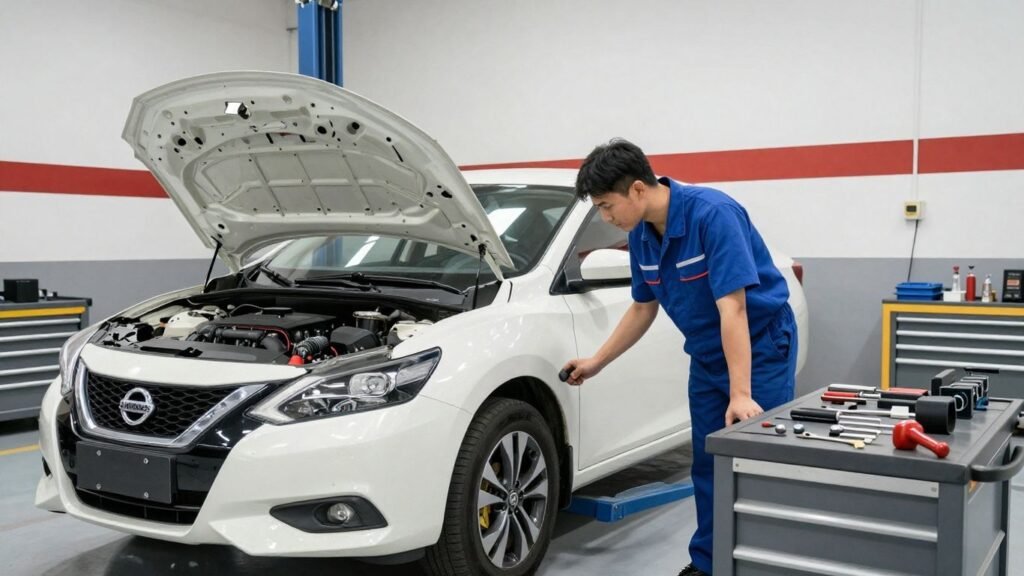
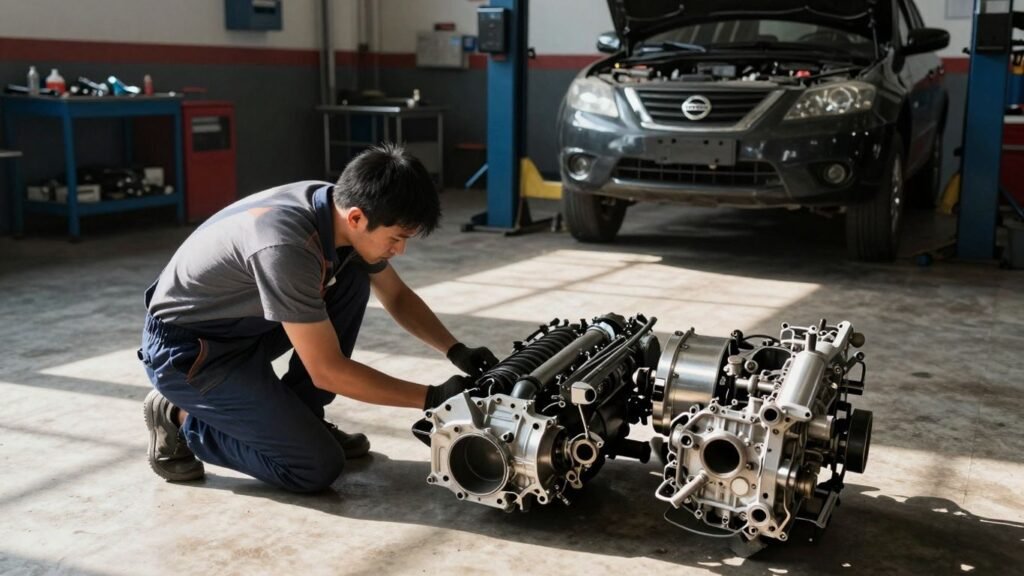
Nissan car undergoing professional maintenance in a repair shop.
Blog

Why Regular Nissan Servicing Is Your Best Defense Against Costly Repairs

You know, that little light on your dashboard? It’s not just for show. And that weird noise your car’s been making? It’s not going to fix itself. We’ve all been there, putting off a trip to the mechanic because life gets busy or we think it’s just a minor thing. But here’s the deal: ignoring those small signs is like playing a game of automotive roulette. Why regular Nissan servicing prevents costly repairs is all about being smart and proactive. It’s about taking care of your car before it takes care of you, in a way that costs a fortune. Key Takeaways Catching small problems early stops them from turning into big, expensive ones. A mechanic who knows your car can spot issues before they get serious. Sticking with one service center means they learn your car’s specific needs, offering advice tailored to how you drive and where you drive. When it’s time to sell, a complete service history from a certified dealer makes your Nissan more attractive and can get you more money. Certified technicians and genuine Nissan parts mean your car gets the right care, keeping it running well and staying safe. Regular check-ups keep your car running efficiently, saving you money on gas and preventing unexpected breakdowns that ruin your day. Proactive Maintenance Prevents Costly Nissan Repairs Think of regular Nissan servicing like going to the doctor for check-ups. You don’t wait until you’re really sick to see a doctor, right? It’s the same idea with your car. Catching small problems early can stop them from turning into big, expensive headaches down the road. A little attention now saves a lot of money later. Spotting Developing Issues Early When you stick with a regular service schedule, the mechanics get to know your car. They start to notice little things that might seem insignificant to you, like a slight change in how the engine sounds or a bit more wear on a tire than usual. These aren’t usually big deals on their own, but they can be early signs that something else might be brewing. For instance, a mechanic might see that your brake pads are wearing unevenly, which could point to a problem with the caliper. Or maybe they notice a small fluid leak that, if ignored, could lead to serious engine damage. These early warnings are your best defense against major breakdowns. Personalized Service Recommendations Your car isn’t just a car; it’s part of your life. How you use it matters. Do you drive mostly in the city, making short trips? Or do you spend hours on the highway every week? Maybe you tow things or drive in tough weather conditions. A good service center pays attention to this. They can suggest maintenance that fits your specific driving habits, not just a generic schedule. This means you might not need certain services as often as someone who drives differently, or you might need them sooner. It’s about getting the right care for your car, based on how you actually use it. Streamlined Warranty Claim Processes If something goes wrong with your Nissan while it’s still under warranty, having a clear record of your maintenance is super important. When you get your car serviced regularly at a place that keeps good records, it makes filing a warranty claim much smoother. The service center can easily show Nissan that you’ve been taking care of the car as recommended. This can prevent delays or arguments when you need that warranty to cover a repair. It’s all about having the paperwork in order to make things easy when you need them to be. Keeping up with your car’s maintenance schedule isn’t just about fixing things when they break. It’s about preventing them from breaking in the first place. Think of it as an investment in your car’s future, and your own peace of mind on the road. Service Type Typical Interval Potential Cost of Neglect Oil Change 5,000-7,500 miles Engine damage, reduced fuel economy Brake Inspection Annually Rotor/pad replacement, brake failure Tire Rotation 5,000-7,500 miles Uneven wear, reduced tire life, poor handling The Value of Consistent Nissan Service History Building a Relationship with Your Service Center Think about it: you wouldn’t go to a different doctor every time you felt a little under the weather, right? The same idea applies to your Nissan. When you stick with one trusted service center, the technicians and service advisors start to really get to know your car. They see it regularly, so they can spot little things that might be starting to go wrong before they become big, expensive problems. It’s like having a personal doctor for your vehicle. They remember if your car has a funny noise when it starts on cold mornings or if you tend to drive more in the city versus on the highway. This kind of history means they can give you advice that’s actually useful for your specific car and your driving habits. Understanding Your Vehicle’s Unique Needs Every car is a bit different, even within the same model. A consistent service history means the people working on your Nissan have a detailed record of its life. They know what’s been done, what parts have been replaced, and how the car has performed over time. This allows them to make recommendations that are tailored just for your vehicle. Maybe your particular car tends to wear out its front tires a bit faster, or perhaps it benefits from a specific type of fluid due to how you use it. A shop that sees your car regularly can pick up on these patterns and suggest maintenance that keeps it running smoothly and prevents future issues. It’s about proactive care based on real history, not just a generic checklist. Maximizing Your Nissan’s Resale Value When it’s time to sell your Nissan or trade it in, a complete and consistent service record is a huge selling point. Buyers want to know that a car has been well taken care of.

Mechanics inspecting quality Nissan car parts in a workshop.
Blog

How Professional Nissan Wreckers Guarantee High-Quality Replacement Parts

When your Nissan needs a part, you want to know it’s going to work right. You don’t want to get a part that looks okay but then causes more problems down the road. That’s where professional Nissan wreckers come in. They have a whole system to make sure the parts they sell are good quality. This article talks about how professional Nissan wreckers ensure part quality, so you can feel better about buying used. Key Takeaways Professional Nissan wreckers put parts through tough checks to see if they’re good to go. They look closely at each part and give it a grade. They’re careful when taking parts off cars and moving them. This means cleaning them up nicely before they get to you. Good wreckers will offer warranties and tell you about the part’s history. They want you to be confident in what you’re buying. They pick their suppliers carefully, looking for ones they can trust. It’s not just about the cheapest price. Using Original Equipment Manufacturer (OEM) parts, even used ones, is often a smart move for keeping your Nissan running well. Rigorous Inspection And Grading Processes Comprehensive Part Inspection Standards When a Nissan comes into a professional wrecking yard, it’s not just about pulling out parts. Each component goes through a detailed check. This isn’t a quick once-over; it’s a thorough examination to see if the part is actually good enough to be resold. Technicians look for wear and tear, damage from the accident, or any signs of corrosion. They’re checking things like seals, gaskets, and any moving parts to make sure they function as they should. This careful inspection is the first step in making sure you get a part that works. Accurate Parts Grading And Documentation After inspection, parts get a grade. This grade tells you exactly what condition the part is in. It’s not just a vague label; it’s based on specific criteria. For example, a part might be graded ‘A’ if it’s nearly new, ‘B’ if it has minor wear, or ‘C’ if it has noticeable flaws but is still usable. This grading is written down and often linked to photos of the actual part. This way, you know what you’re buying before it even leaves the yard. Grade Condition Description A Excellent, minimal to no signs of wear B Good, minor cosmetic or functional wear C Fair, noticeable wear or minor damage, fully functional D Poor, significant damage, may require repair Visual Verification Of Part Condition Beyond the technical checks, a visual inspection is key. This means looking at the part from all angles. Are there any dents, cracks, or rust spots? For painted parts, is the finish intact? For electronic components, are the connectors clean and undamaged? This visual check helps catch issues that might not be obvious during a functional test. It’s about seeing the part as it is, so there are no surprises later on. Ensuring Part Quality Through Professional Handling Getting a good used part isn’t just about finding the right item; it’s also about how it’s handled from the moment the car is taken apart. Professional Nissan wreckers pay close attention to this. Careful Vehicle Dismantling Procedures When a vehicle arrives, the process of taking it apart is done with a plan. Technicians know exactly where to cut and how to remove components without causing extra damage. This means they’re not just ripping parts out; they’re carefully sectioning the vehicle, following specific work orders that detail what needs to be done. This careful approach helps keep the parts in good shape. Safe Parts Removal and Transportation Once a part is identified, its removal is just as important. Delicate items like glass or electronics get special attention. They’re wrapped up carefully, often marked as fragile, and secured properly. Larger pieces, like body panels or entire sections of the car, are usually placed on pallets or crated. This stops them from getting bent, scratched, or broken during transit to the warehouse or to you. Every part, big or small, is treated with the care it needs to arrive in the best possible condition. Thorough Cleaning Before Shipment Before any part is ready to be shipped out, it gets a good cleaning. This isn’t just a quick wipe-down. Depending on the part, it might be degreased, cleaned of dirt and grime, or have any old fluids removed. This makes it easier for you to see the actual condition of the part and means it’s closer to being ready for installation when it arrives at your shop or doorstep. It shows they care about the final product. The way a part is handled after it’s removed from the donor vehicle makes a big difference in its usability. Professional wreckers understand that careful dismantling, safe removal, and proper cleaning are not optional steps but key parts of delivering a quality used component. Commitment To Customer Confidence And Support Clear Warranty And Return Policies When you’re buying a used part, you want to know you’re covered if something isn’t quite right. Professional Nissan wreckers make sure their warranty and return policies are laid out clearly. This isn’t just about paperwork; it’s about giving you peace of mind. They want you to feel good about the purchase, knowing there’s a process in place if a part doesn’t work out as expected. This transparency builds a bridge of trust between you and the supplier. It means they stand behind the quality of what they sell. Verification Of Part Compatibility Nobody wants to buy a part only to find out it doesn’t fit their specific Nissan model. Reputable wreckers take the guesswork out of this. They have systems in place to check that the part you’re buying is indeed compatible with your vehicle’s make, model, and year. This often involves cross-referencing part numbers and vehicle specifications. It’s a detail that saves a lot of headaches and potential costs down the road. Understanding Part History And Lifespan Knowing where a part came from and how long it’s

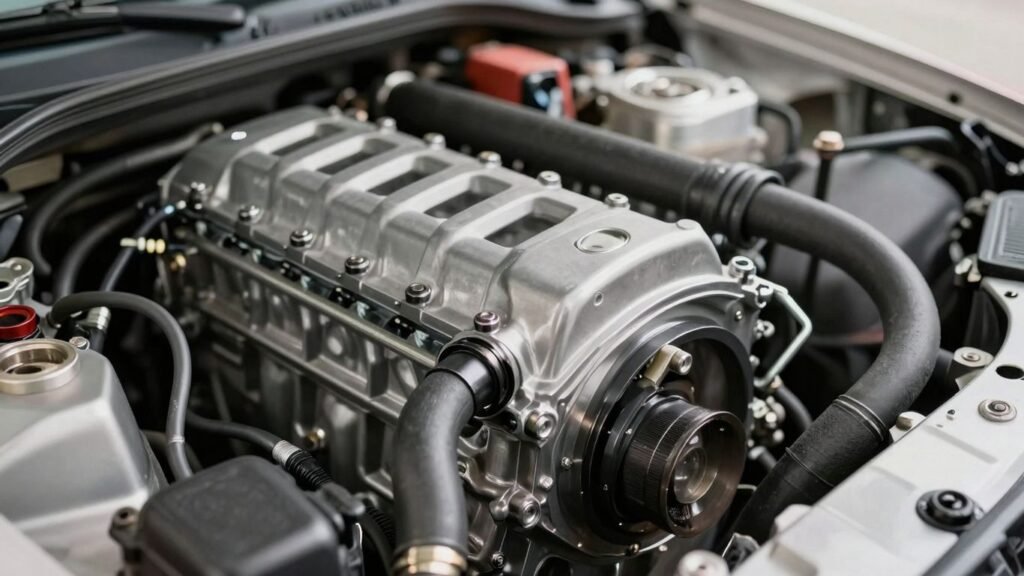
Nissan used engine, mechanical parts, automotive repair
Blog

Unlock Savings: Exploring the Benefits of Buying Nissan Used Engines

Thinking about getting a Nissan but worried about the price tag? You’re not alone. Lots of people want a reliable car but also need to keep costs down. That’s where looking into used Nissan engines comes in. It’s a smart way to get behind the wheel of a car you like without spending a fortune. We’re going to explore the benefits of buying Nissan used engines, showing you how it can be a really good move for your wallet and your driving needs. Key Takeaways Buying a used Nissan engine means you save a lot on the initial cost compared to a new one. You get to skip the biggest depreciation hit that new cars take, so your money goes further. Used engines can often lead to lower insurance payments, adding to your savings. Nissan’s reputation for building solid, long-lasting vehicles means a used engine can still be very reliable. There’s a huge variety of used Nissan models and features available, so you can find exactly what you’re looking for at a better price. Significant Cost Reductions With Used Nissan Engines Lower Initial Purchase Price Buying a used Nissan engine means you’re skipping the biggest hit to a car’s value: depreciation. New cars lose a chunk of their worth the moment they’re driven off the lot, and that’s especially true in the first few years. When you go with a pre-owned engine, someone else has already absorbed that initial steep drop. This translates directly into a much lower upfront cost for you, making a reliable Nissan powertrain accessible without needing a brand-new car budget. It’s a straightforward way to get a lot of car for your money. Benefit From Depreciation Savings Think about it like this: a brand-new car can lose 20% or more of its value in the first year alone. That’s a huge amount of money just vanishing. By choosing a used Nissan engine, you’re essentially letting the first owner take that depreciation hit. Your investment, therefore, holds its value much better from the start. This means when it’s time to sell or trade in your vehicle down the line, you’ll likely get a better return because the steepest part of the depreciation curve has already passed. It’s a smart financial move that pays off over time. Reduced Insurance Premiums Insurance companies base their rates on the value of the vehicle. Since a used Nissan engine will typically be part of a car with a lower overall market value compared to a brand-new model, your insurance premiums are often lower. This isn’t just a small difference either; it can add up to noticeable savings year after year. Less money spent on insurance means more money in your pocket for other things, making the overall cost of owning a Nissan even more manageable. Choosing a used engine isn’t just about saving money upfront; it’s about a smarter financial approach to vehicle ownership that continues to benefit you long after the purchase. Vehicle Type New Engine Cost (Est.) Used Engine Cost (Est.) Sedan $4,000 – $7,000 $1,500 – $3,500 SUV $5,000 – $9,000 $2,000 – $4,500 Truck $6,000 – $10,000 $2,500 – $5,000 Ensuring Quality and Reliability in Used Nissan Engines Robust Build Quality and Engineering Nissan has a solid reputation for building cars that last. They put a lot of thought into how their vehicles are put together, using good materials and solid engineering. This means that even a used Nissan engine is likely to have a lot of life left in it. They’re not just built to get you from point A to point B; they’re built to keep doing it for a long time. This focus on durability is a big reason why many people feel comfortable buying a used Nissan. Access to Maintenance Records When you’re looking at a used Nissan, ask about its service history. Many dealerships and private sellers can provide records showing when the car was last serviced, what work was done, and by whom. This information is super helpful. It gives you a clear picture of how well the previous owner took care of the vehicle. If the records show regular oil changes and timely maintenance, that’s a really good sign for the engine’s health. Having access to a vehicle’s past maintenance can really take a lot of the guesswork out of buying used. It’s like getting a report card for the car’s engine. Proven Brand Longevity Nissan as a brand has been around for a while, and they’ve consistently produced vehicles that hold up well over the years. Think about how many older Nissans you still see on the road – that’s not an accident. It speaks to the quality of their design and manufacturing. When you choose a used Nissan, you’re tapping into that history of reliability. It’s a brand that many drivers have trusted for generations because their cars just keep going. Exploring the Wide Selection of Used Nissan Models Diverse Model Choices Available When you look at used Nissan engines, you’re not just limited to what’s on the lot today. Nissan has a long history of making all sorts of vehicles, from zippy little cars perfect for city driving to big SUVs that can handle a family road trip or some serious hauling. This means there’s a really good chance you can find a used engine that fits exactly what you need, whether it’s for a daily commuter, a weekend project car, or something else entirely. It’s like having a much bigger toolbox to pick from. Access to Various Trims and Features Buying a used engine can also mean getting access to features that might have been a stretch when they were new. Think about higher trim levels that came with premium sound systems, leather seats, or advanced safety tech. These features often don’t add a huge amount to the cost of a used engine, but they can make a big difference in your driving experience. You might be able to get that upgraded package you always

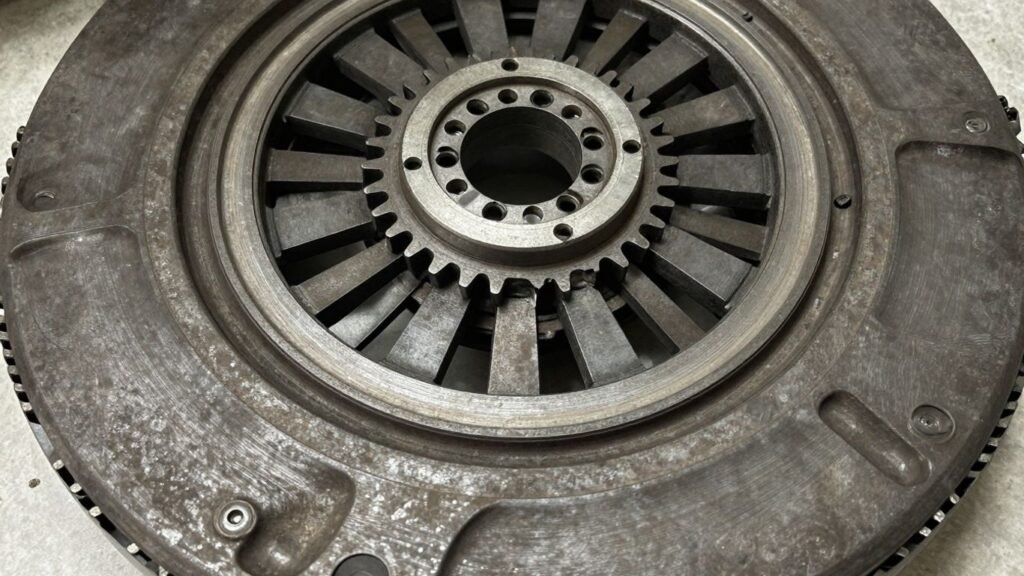
Nissan clutch and transmission parts
Blog

When to Replace Nissan Clutch and Transmission Parts: Key Indicators

Your Nissan’s clutch and transmission are hard workers, and like any part, they can wear out over time. You might not even realize there’s a problem until something feels really off. But paying attention to a few key signs can help you catch issues early, saving you from bigger headaches and repair bills down the road. When to replace Nissan clutch and transmission parts isn’t always obvious, but knowing what to listen and feel for can make all the difference. Key Takeaways Listen for unusual noises like grinding or whining from the gearbox, and pay attention to how the clutch pedal feels – is it spongy, stiff, or vibrating? Notice if your engine revs up but the car doesn’t speed up (slipping clutch) or if gears are hard to shift or slip out on their own. Watch for dashboard warning lights, especially the “Check Engine” light, and be aware of any burning smells from the transmission fluid. Transmission fluid leaks under your car are a serious sign of trouble that needs immediate attention to prevent damage. Addressing clutch and transmission problems early prevents further damage to your drivetrain, keeps your Nissan safe to drive, and avoids much more expensive repairs later. Recognizing Signs of Clutch Wear Your Nissan’s clutch is what lets you switch gears smoothly and sends power from the engine to the wheels. It’s a part that wears out over time, just like anything else. Catching the early signs that your clutch is going bad can save you a lot of headaches and money down the road. Ignoring these signals can lead to bigger problems, potentially damaging your transmission too. Slipping Clutch: Engine Revs Without Acceleration This is probably the most common sign that your clutch is on its last legs. You’ll notice that when you press the gas pedal, the engine RPMs go up, but your car doesn’t pick up speed like it should. It feels like the engine is working hard, but the car isn’t moving any faster. This usually happens because the clutch disc, the part that grips the engine’s flywheel, is worn out and can’t make a solid connection anymore. It’s especially noticeable when you’re trying to accelerate in higher gears or when going up a hill. The car feels sluggish, like it’s not getting all the power it should. Difficulty Shifting Gears If you’re finding it tough to get your Nissan into gear, especially first or reverse, your clutch might be the culprit. This usually means the clutch isn’t fully disengaging when you press the pedal. When the clutch doesn’t separate the engine from the transmission completely, it makes it hard for the gears to mesh properly. You might hear grinding noises, or the gear stick might feel stiff and resistant when you try to move it. Clutch Pedal Sensations: Spongy, Stiff, or Vibrating The way your clutch pedal feels under your foot can tell you a lot. A pedal that feels soft or ‘spongy’ and only engages very close to the floor could mean there’s air in the hydraulic system or a leak. If the pedal feels unusually stiff and hard to push down, it might be a sign that the pressure plate is wearing out. Sometimes, you might feel a pulsing or vibration through the pedal when you press it, which could point to issues with the flywheel or the clutch disc itself. Paying attention to these changes in how your clutch pedal feels and operates is key to diagnosing potential problems before they become major issues. Transmission Performance Indicators Sometimes, your Nissan’s transmission will start acting up in ways that are hard to ignore. These aren’t just minor annoyances; they’re signals that something’s not quite right under the hood and could lead to bigger problems if left unchecked. Delayed or Rough Gear Shifts When you shift gears, whether it’s from park to drive or between gears while moving, it should feel pretty smooth. If you notice a delay, a clunk, or a general roughness during these shifts, that’s a sign. It might feel like the transmission is hesitating before engaging the next gear, or it might jolt you a bit. This can happen with both automatic and manual transmissions, though the feeling might be slightly different. For automatics, it could be an issue with the hydraulic system or electronic controls. With manuals, it might point to clutch issues or internal wear. Gears Slipping Out of Position This is a more serious one. Imagine you’re driving along, and suddenly, your car feels like it’s dropped into neutral all by itself, or the engine revs up without the car speeding up. That’s your transmission slipping out of gear. This can be a real safety hazard, especially if it happens when you’re in traffic or on the highway. It often means there’s a problem with the transmission’s internal components, like worn bands or clutches, or perhaps a low fluid level that’s not providing enough pressure to keep the gears engaged. Unusual Noises from the Gearbox Your transmission shouldn’t be making a lot of noise. If you start hearing new sounds coming from that area, it’s time to pay attention. A whining noise that changes pitch with your speed, a grinding sound when you shift, or even a humming noise could all indicate trouble. For Nissans with Continuously Variable Transmissions (CVTs), which are common in many models, a persistent whirring or whining sound is particularly concerning, as these transmissions are designed to be very quiet. These noises can point to worn bearings, low fluid, or other internal damage. Paying attention to these performance changes is key. They’re your car’s way of telling you it needs attention before a small issue becomes a major, expensive repair. Don’t just turn up the radio to drown out the noise; investigate the cause. Warning Signals from Your Nissan Sometimes, your Nissan will give you a heads-up that something’s not quite right with the transmission. It’s like the car is trying to tell you it needs some attention

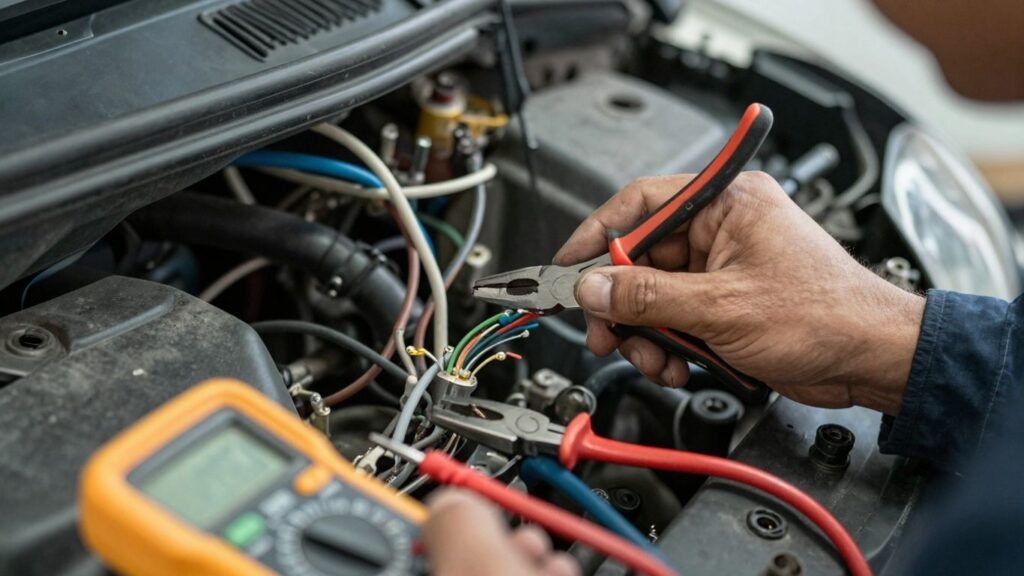
Mechanic fixing Nissan car electrical wiring
Blog

Expert Guide to Troubleshooting Nissan Electrical Issues: Common Problems & Solutions

Dealing with electrical problems in your Nissan can feel like a real headache, right? One minute everything’s fine, and the next, your car’s acting up in ways you just don’t understand. It’s easy to get stressed out, especially if you’re not sure where to start. This guide is here to help you figure out what’s going on with your Nissan’s electrical system, covering the common issues and what you can do about them. We’ll break down troubleshooting Nissan electrical issues so you can get back on the road with less worry. Key Takeaways Many Nissan electrical issues start with simple problems like a dead battery or loose connections. Checking these first can save you a lot of time. Dashboard warning lights are your car’s way of telling you something’s wrong. Don’t ignore them; they can point you toward the actual problem. Wiring and ground connections are often overlooked but are super important for your car’s electrical system to work right. Look for corrosion or damage. When basic checks don’t fix the problem, or if multiple things seem to be going wrong at once, it’s usually time to call in a professional. Regularly checking your battery, wiring, and other electrical parts can help prevent bigger problems down the road. Understanding Common Nissan Electrical Issues Your Nissan, like any modern car, relies heavily on its electrical system to keep everything running. It’s not just about the headlights or the radio; it’s the brain and nervous system that controls how your engine runs, how your safety features work, and pretty much everything else. When this system starts acting up, it can be a real pain, sometimes leaving you stuck on the side of the road. Knowing what to look for is the first step to getting things sorted. Identifying Symptoms of Electrical Malfunctions So, how do you know if your Nissan’s electrical system is throwing a fit? Well, there are a few tell-tale signs. You might notice your dashboard lights flickering, or maybe they’re unusually dim. Sometimes, the power windows might move slower than usual, or the radio could cut out unexpectedly. A really common one is when your car just doesn’t want to start, or it cranks really slowly. It’s like the car is just too tired to wake up. These aren’t always major problems, but they’re definitely signals that something’s not quite right under the hood. The Role of the Battery and Charging System Think of your battery as the heart of the electrical system. It stores the power needed to start the car and run everything when the engine’s off. If your battery is old or weak, you’ll likely run into starting problems. Then there’s the alternator. Its job is to recharge the battery while you’re driving. If the alternator isn’t doing its job, the battery won’t get topped up, and eventually, you’ll end up with a dead battery. You might see a battery warning light pop up on your dashboard, which is a pretty clear sign that the charging system isn’t working as it should. Here’s a quick look at what can go wrong: Component Common Symptom Battery Slow or no crank, dim lights Alternator Battery warning light, dimming lights, dead battery Starter Motor Clicking noise when trying to start, no crank Recognizing Warning Lights and Dashboard Indicators Your dashboard is like your car’s personal doctor, constantly giving you updates. Those little lights that pop up aren’t just for decoration. A battery symbol usually means there’s an issue with the charging system. A check engine light can point to a wide range of problems, some electrical, some not. Sometimes, you might see a general electrical system warning light. It’s important not to ignore these. They’re there to give you a heads-up before a small issue turns into a big, expensive one. Sometimes, a simple fix like a loose battery cable or a blown fuse can be the culprit behind a lot of strange electrical behavior. It’s always worth checking the basics before assuming the worst. Troubleshooting Nissan Starting Problems So, your Nissan decided to take an unscheduled nap and won’t fire up? It’s a real pain, especially when you’ve got places to be. But don’t panic just yet. Most of the time, a car that won’t start boils down to a few common culprits. Let’s break them down. Diagnosing Dead or Weak Batteries This is probably the most frequent offender. Your battery is like the heart of your car’s electrical system; without enough juice, nothing happens. You might hear a clicking sound when you turn the key, or maybe just silence. Sometimes, the dashboard lights might flicker weakly. A quick way to check is with a multimeter. A healthy battery should read around 12.4 to 12.7 volts when the engine is off. If it’s lower, it’s likely discharged or on its way out. Don’t forget to look at the terminals, too. Corrosion can build up and block the flow of electricity. A simple mix of baking soda and water usually cleans that right up. Symptom Likely Cause Clicking sound Weak or dead battery No sound, no lights Dead battery Flickering dashboard lights Weak battery Investigating Starter Motor Failures If the battery seems okay, but you’re hearing a grinding or a rapid clicking noise when you try to start, the starter motor might be the issue. Think of the starter as the engine’s ignition switch – it’s the part that actually gets the engine spinning to get it going. These things can wear out over time. If your car has been sounding a bit sluggish when you crank it lately, this could be why. Sometimes, a starter problem isn’t a complete failure but a sign of a worn-out solenoid, which is part of the starter assembly. This can lead to intermittent starting issues where it works sometimes and not others. Addressing Ignition System Glitches Beyond the battery and starter, the ignition system is another area to look at. This system is responsible for creating the spark that ignites the

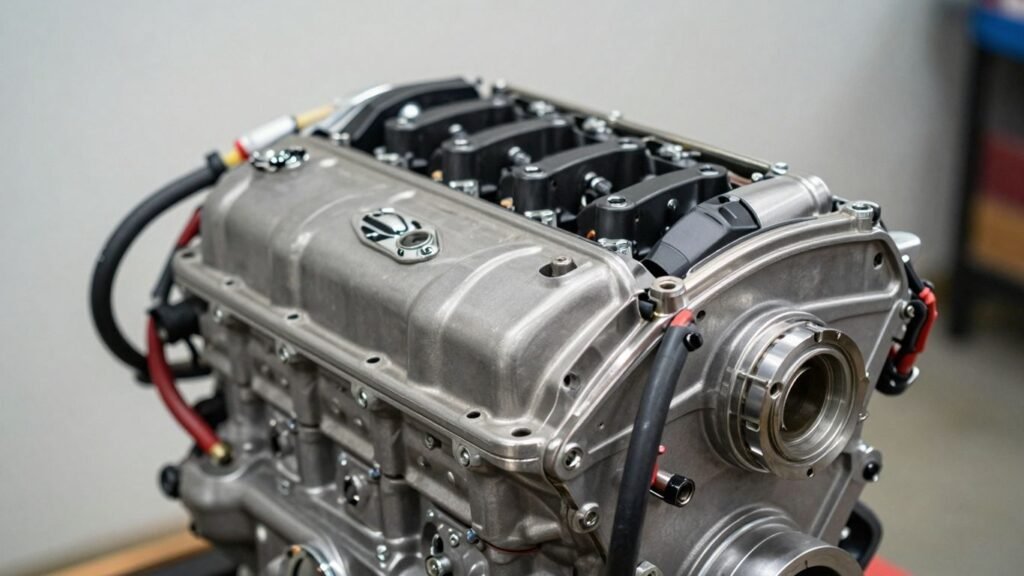
Nissan engine close-up, mechanical details, clean and maintained
Blog

Unlock Longevity: Your Guide on How to Extend the Life of Your Nissan Engine

Thinking about how to extend the life of your Nissan engine? It’s not as complicated as it might seem. Most of us just want our cars to run well without breaking the bank. That means keeping up with the basics and knowing what to look out for. This guide breaks down how to keep your Nissan running smoothly for years to come, covering everything from simple checks to specific model tips. Key Takeaways Regular oil changes are super important for your Nissan’s engine health. Stick to a shorter schedule than the manufacturer suggests if you push your car a lot. Keeping air filters clean helps your engine breathe better, which is good for performance and how long it lasts. Don’t forget about your cooling system; checking it regularly can stop overheating problems before they start. For specific models like the VR30, pay close attention to oil pressure and temperatures, and consider unplugging the oil pressure solenoid if you’re tuned. Monitoring your engine’s vital signs, like oil pressure and temperature, can help you spot problems early, saving you from bigger repairs down the road. Embrace Preventative Maintenance For Engine Longevity Understanding Preventative Maintenance Benefits Think of preventative maintenance as giving your Nissan’s engine a regular check-up. It’s not just about fixing things when they break; it’s about stopping them from breaking in the first place. This approach can save you a lot of headaches and money down the road. Regular attention to your engine means it’s more likely to run smoothly for longer. It helps catch small issues before they turn into big, expensive problems. Plus, a well-maintained engine generally performs better and can even be a bit more fuel-efficient. It’s like taking care of yourself – a little effort now can lead to a much healthier future. Key Vehicle Components Requiring Attention When we talk about preventative care, a few key parts of your Nissan’s engine really need consistent attention. Your engine oil and its filter are probably the most talked about – they need regular changes to keep things clean and lubricated. Then there are the air filters; both the one for the engine and the cabin filter. A clogged engine air filter makes your engine work harder, and a dirty cabin filter just makes the air inside your car unpleasant. Don’t forget the spark plugs, which are vital for igniting the fuel. Keeping these components in good shape is a big part of keeping your engine happy. Component Maintenance Task Engine Oil/Filter Regular changes per manufacturer’s recommendation. Air Filters Replace engine and cabin filters at set intervals. Spark Plugs Inspect and replace as needed for optimal function. Fluids Check and top off coolant, brake, and other fluids. Taking a proactive stance with your vehicle’s maintenance schedule is the most effective way to avoid unexpected breakdowns and costly repairs. It’s about being smart with your car’s health. Proactive Care for Optimal Performance Being proactive with your Nissan’s engine care is all about staying ahead of the game. It means not waiting for a warning light to come on before you check something. For instance, keeping an eye on your coolant levels, especially when it’s hot outside, can prevent overheating. Similarly, if you often drive in dusty areas, swapping out that engine air filter more often than the manual suggests might be a good idea. It’s these little extra steps, tailored to how and where you drive, that really make a difference in keeping your engine running at its best for years to come. Mastering Essential Engine Care Routines Taking care of your Nissan’s engine doesn’t have to be a headache. It’s mostly about sticking to a few key routines that keep things running smoothly. Think of it like brushing your teeth – do it regularly, and you avoid bigger problems down the road. The Critical Role of Regular Oil Changes This is probably the most talked-about maintenance task, and for good reason. Your engine oil is like the lifeblood of your engine. It lubricates all those moving parts, stops them from grinding against each other, and helps carry away heat and gunk. Over time, though, oil breaks down. It gets dirty, loses its viscosity, and just can’t do its job as well. That’s why changing it regularly is so important. For most Nissan models, sticking to the manufacturer’s recommended interval, usually around 5,000 to 7,500 miles, is a good bet. If you do a lot of stop-and-go driving or push your car hard, you might want to consider doing it a bit more often. Vehicle Type Recommended Interval (Miles) Standard Use 5,000 – 7,500 Severe Use 3,000 – 5,000 Ensuring Optimal Airflow With Filter Replacements Your engine needs air to burn fuel, just like we need air to breathe. The air filter is what keeps dirt, dust, and other debris from getting into your engine. If that filter gets clogged up, your engine struggles to get enough air. This can lead to a drop in performance, worse fuel economy, and can even make your engine work harder than it needs to. Replacing your air filter is usually a pretty simple job, and it’s often recommended every 15,000 to 30,000 miles, depending on how dusty your driving environment is. If you live somewhere with a lot of dirt roads or construction, you’ll want to check it more often. A dirty air filter is like trying to run a marathon with a stuffy nose. It just makes everything harder. Spark Plug Health For Peak Engine Function Spark plugs are the little guys that actually ignite the fuel-air mixture in your engine’s cylinders. When they’re working right, you get a clean, strong spark that makes your engine run efficiently. But over time, the electrodes on spark plugs can wear down, or they can get fouled with carbon deposits. This can lead to misfires, rough idling, and a general lack of power. Most Nissan engines use spark plugs that are good for a long time, often 60,000 to 100,000 miles. However, it’s

Recycled Nissan car part, clean and shiny.
Blog

Why Recycled Nissan Parts Are Eco-Friendly: A Sustainable Choice for Your Vehicle

Thinking about fixing up your Nissan or maybe just need a replacement part? You might be wondering about the best way to go. Well, choosing recycled Nissan parts can be a surprisingly good move for the planet. It’s not just about saving a few bucks; it’s about making a choice that helps reduce waste and conserve resources. Let’s explore why recycled Nissan parts are eco-friendly and how they fit into a more sustainable future for your car. Key Takeaways Using recycled Nissan parts helps keep usable components out of landfills, giving them a second life. Recycling car parts means we use fewer new raw materials, which saves energy and natural resources. Nissan vehicles often use materials like aluminum that are highly recyclable, making their parts good candidates for reuse. While Nissan has good recycling rates in Japan, there’s room to improve how other materials are reused globally. Opting for pre-owned Nissan parts supports a circular economy and is a smart choice for vehicle maintenance. The Environmental Advantages of Recycled Nissan Parts When you think about fixing up your Nissan, you might not immediately consider where the replacement parts come from. But choosing recycled parts is actually a pretty smart move for the planet. It’s not just about saving a few bucks, though that’s nice too. It’s about making a real difference in how much waste we create and how many new resources we have to dig up. Reducing Landfill Waste With Reused Components Every time a car part is tossed out, it has to go somewhere, and usually, that means a landfill. Landfills take up a lot of space and can sometimes leak harmful stuff into the ground. By using parts that have already been made and are still in good shape, we’re keeping them out of the trash heap. Think about bumpers, door panels, or even engine components – many of these can be cleaned up and used again. Nissan has been working on this, and in Japan, they collected and recycled around 93,000 bumpers in just one year. That’s a lot of plastic that didn’t end up buried. Using pre-owned parts means we’re giving components a second life, which is way better than just throwing them away. It’s a simple idea, but it has a big impact on reducing the amount of stuff piling up in landfills. Conserving Natural Resources Through Recycling Making new car parts from scratch requires a lot of raw materials. We’re talking metals mined from the earth, plastics derived from oil, and other resources that aren’t exactly unlimited. When we recycle and reuse parts, we cut down on the need to extract these virgin materials. For example, aluminum can be recycled over and over with much less energy than it takes to make it new. This means less mining, less deforestation, and less disruption to natural habitats. It’s a way to keep more of the earth’s resources available for the future. Material Type Energy to Recycle (vs. New) Environmental Benefit Aluminum Significantly Lower Reduced mining impact Steel Lower Less ore extraction Plastics Varies Less petroleum use Lowering Manufacturing Energy Consumption Creating brand new parts from raw materials is an energy-intensive process. It involves mining, transporting raw materials, processing them, and then manufacturing the final product. Each of these steps uses a significant amount of energy, often from fossil fuels, which contributes to greenhouse gas emissions. When you opt for a recycled part, you’re skipping most of those initial, high-energy steps. The energy needed to refurbish or reuse an existing part is typically much, much lower. This directly translates to a smaller carbon footprint for your vehicle’s maintenance and repair. Material Sustainability in Nissan Vehicles When we talk about making cars, the stuff they’re made of really matters for the environment. Nissan uses a bunch of different materials, and some are definitely better than others. The Role of Aluminum in Nissan’s Design Nissan uses a good amount of aluminum, which is pretty great because it’s lighter than steel. This helps with fuel efficiency, and the best part is that aluminum can be recycled over and over without losing its quality. Think of it like a magic material that way. It’s a big part of the car’s structure, like the chassis and other bits. Challenges with Resin and Plastic Components Now, plastics, or resins as they’re often called, make up a decent chunk of a car, around 15% by weight. The problem is, most of these plastics come from petroleum and don’t break down easily if they end up somewhere they shouldn’t. Nissan has started using some plant-based materials for interiors, which is a step, but the amount of recycled plastic they use in new cars is still pretty small. It’s tough to get away from petroleum-based stuff entirely. Environmental Impact of Rare Earth Metals Nissan is pushing into electric vehicles, which is good for reducing tailpipe emissions. But, these EVs need special metals, often called rare earth metals, like lithium and cobalt for their batteries. Mining these metals can cause some serious environmental headaches and social issues in the places where they’re dug up. Nissan says they work with groups to try and source these metals more responsibly, but the mining itself is still a tough process. It’s a bit of a balancing act. While Nissan is trying to be greener with things like EVs and using aluminum, the raw materials needed for some of these technologies, especially the batteries, come with their own set of environmental challenges that are hard to ignore. Material Approx. % of Vehicle Weight Sustainability Notes Steel & Aluminum 74% Aluminum is highly recyclable; steel production can be energy-intensive. Resins (Plastics) 15% Mostly petroleum-based, slow to degrade; limited use of recycled or bio-based options. Rare Earth Metals Varies (EVs) Essential for EV batteries, but sourcing can have significant environmental impacts. Nissan’s End-of-Life Vehicle Recycling Initiatives When a Nissan vehicle reaches the end of its road, the company has some pretty solid plans in place, especially in its home country

Nissan SUV engine repair with affordable tools.
Blog

Budget-Friendly Fixes: Affordable Ways to Repair Your Nissan SUV

So, your Nissan SUV is making a funny noise or looks a little rough around the edges? Before you start stressing about emptying your wallet, take a breath. Lots of common car issues don’t require a trip to the dealership or a fancy mechanic. We’re talking about affordable ways to repair your Nissan SUV that you can actually tackle yourself. It’s all about knowing where to look and what simple steps you can take to keep your ride running smoothly and looking good without spending a fortune. Let’s get into it. Key Takeaways Keeping up with your Nissan’s maintenance schedule, like regular oil changes and swapping out air filters, is a straightforward way to prevent bigger, more expensive problems down the road. Simple fixes like replacing worn-out windshield wipers and old light bulbs can make a huge difference in your visibility and safety, and they’re usually pretty cheap to do. Checking your tire pressure regularly and rotating your tires can help them last longer, saving you money and giving you a smoother ride. Minor cosmetic issues, like small scratches or dents, can often be buffed out or touched up with affordable kits, keeping your SUV looking sharp. Understanding how to check and replace fuses is a basic electrical fix that can solve common light or accessory problems without needing a mechanic. Essential Maintenance For Your Nissan SUV Keeping your Nissan SUV running smoothly doesn’t have to drain your wallet. A lot of the basic upkeep is actually pretty straightforward and can be done yourself with minimal fuss. Think of it like giving your car a regular check-up, but one you can handle in your own driveway. Understanding Your Nissan’s Maintenance Schedule Your owner’s manual is your best friend here. It lays out exactly when your Nissan needs certain services. It’s not just about mileage; time is also a factor. Following this schedule is the best way to catch small issues before they turn into big, expensive problems. It helps keep your vehicle performing well and can even help with its resale value down the line. Sticking to your car’s recommended service intervals is like following a recipe for longevity. Skip a step, and you might end up with a less-than-ideal outcome. It’s a simple roadmap to keep your vehicle happy and healthy. The Importance of Regular Oil Changes Oil is the lifeblood of your engine. It lubricates all those moving parts, keeps things cool, and cleans out gunk. Over time, oil breaks down and gets dirty, and when that happens, it can’t do its job effectively. This can lead to increased wear and tear on your engine, which is definitely not budget-friendly. Service Interval (Miles) Recommended Oil Type Estimated DIY Cost (Parts Only) 5,000 – 7,500 Synthetic Blend $30 – $50 7,500 – 10,000 Full Synthetic $40 – $60 Changing your oil yourself can save you a good chunk of change compared to a shop. You’ll need to buy the right type of oil for your Nissan, a new oil filter, and a wrench to remove the drain plug. Just make sure you have a way to dispose of the old oil properly. Keeping Your Engine Fed With Clean Air Filters Your engine needs to breathe, just like you do. The air filter stops dirt, dust, and other debris from getting into your engine. A dirty, clogged air filter makes your engine work harder, which can hurt your gas mileage and overall performance. Replacing it is usually super simple – often just a matter of opening a box under the hood, swapping out the old filter for a new one, and closing it back up. It’s a quick fix that makes a noticeable difference. Visibility And Safety Upgrades Replacing Windshield Wipers For Clearer Views Those old wiper blades on your Nissan SUV might seem like a minor detail, but they play a huge role in keeping you safe. When they start to streak or skip across the windshield, especially during a downpour, your view gets seriously messed up. Replacing your windshield wipers is one of the simplest and most affordable ways to make sure you can see clearly when the weather turns bad. It usually takes just a few minutes. You just lift the wiper arm, find the little tab to release the old blade, and slide the new one on until it clicks. Easy peasy. Ensuring You Can Be Seen With New Light Bulbs Being able to see the road is one thing, but being seen by others is just as important. If your headlights are dim, or a taillight or brake light is out, you’re putting yourself and others at risk. Driving with faulty lights is a ticket waiting to happen and, more importantly, a serious safety hazard. Replacing bulbs is generally straightforward. You’ll want to check your owner’s manual to know exactly which bulbs your Nissan needs and where they’re located. Sometimes it’s as simple as twisting out the old bulb and twisting in a new one. Don’t forget to check your turn signals too! Checking And Replacing Fuses For Electrical Systems Sometimes, a whole system in your car might stop working – maybe your power windows suddenly won’t budge, or a dashboard light goes out. Before you panic and assume a major electrical problem, check your fuses. Your Nissan SUV has a fuse box (or maybe a couple of them) that houses these little safety devices. If a fuse blows, it means it did its job protecting a circuit from too much electricity. You can usually find the fuse box under the dashboard or in the engine bay. Your owner’s manual will show you a diagram of which fuse goes where and what each one controls. Replacing a blown fuse is as simple as pulling out the old one with a fuse puller (often included in the fuse box lid or your toolkit) and popping in a new one of the exact same amperage. It’s a cheap fix that can get a whole lot of

Nissan car being recycled at a wrecking yard.
Blog

How Nissan Wreckers Help Reduce Auto Waste: A Guide to Sustainable Car Disposal

Thinking about what to do with your old Nissan? Instead of just letting it sit or heading straight to the dump, there’s a much smarter way to go. Nissan wreckers offer a fantastic solution, not just for your wallet, but for the planet too. They’re basically experts at taking cars that have seen better days and finding new life for their parts. This whole process is a big deal for cutting down on car waste, and it’s simpler than you might think. Let’s look at how Nissan wreckers help reduce auto waste and why it’s a good idea to use them. Key Takeaways Nissan wreckers play a vital role in reducing auto waste by salvaging and recycling usable parts from end-of-life vehicles. Choosing Nissan wreckers helps conserve natural resources and lowers greenhouse gas emissions compared to manufacturing new parts. The value of a Nissan for wrecking depends on its condition, model, age, and the current demand for its specific parts. Nissan is committed to a circular economy, with processes in place to repurpose and recycle components, including hazardous materials, responsibly. Reputable Nissan wreckers provide cost-effective, quality alternatives to new OEM parts and can be found through online directories, manufacturer resources, and owner recommendations. Understanding How Nissan Wreckers Help Reduce Auto Waste What Are Nissan Auto Wreckers? Nissan auto wreckers are basically specialized businesses that deal with old or damaged Nissan vehicles. Instead of just crushing them and sending them off to a landfill, they carefully take them apart. Think of them as mechanics who are really good at salvaging usable parts from cars that have reached the end of their road. They’re a big part of the auto dismantling world, focusing specifically on Nissan models. Their main job is to get those still-good parts out so they can be sold again, and to handle the rest of the car in an eco-friendly way. It’s a service that helps car owners get affordable replacements and also helps the environment. The Role of Nissan Wreckers in Sustainability These wreckers play a pretty significant role when it comes to being sustainable. When a car is wrecked, a lot of its components can still be perfectly fine. Instead of making new parts from scratch, which uses up a lot of energy and raw materials, wreckers give these existing parts a second life. This means fewer resources are mined or manufactured, and less waste ends up in landfills. It’s a direct way to cut down on the environmental impact of cars. They’re essentially part of a bigger effort to keep useful materials in circulation for as long as possible, which is a core idea in making things more sustainable. The automotive industry has a huge footprint. By choosing to recycle and reuse parts from vehicles that are no longer roadworthy, we’re actively participating in a solution rather than contributing to the problem. It’s about seeing value where others might see junk. Nissan’s Commitment to a Circular Economy Nissan itself is actually working towards what’s called a circular economy. This is a system where waste is minimized, and resources are kept in use for as long as they can be. Auto wreckers fit right into this. They help close the loop by taking old cars and making sure their parts are either reused or recycled properly. This reduces the need for new manufacturing, which in turn cuts down on pollution and the use of virgin materials. It’s a smart way to manage resources and reduce waste, aligning with Nissan’s broader goals for a greener future. The Environmental Benefits of Choosing Nissan Wreckers Reducing Landfill Waste Through Part Recycling When a Nissan reaches the end of its road, so to speak, it doesn’t have to just become a pile of junk taking up space. Nissan wreckers play a big part in stopping that from happening. They take these old cars and carefully take them apart, salvaging usable parts. Think of it like a mechanic’s treasure chest. Instead of tossing a perfectly good alternator or a set of headlights, they get cleaned up and offered for sale again. This means fewer whole cars end up in landfills, which are already overflowing. Every part that gets a second life is one less item contributing to land pollution. It’s a simple idea, but it makes a huge difference in keeping our planet cleaner. Conserving Natural Resources Making new car parts from scratch uses a lot of raw materials. We’re talking metals, plastics, and other stuff that has to be mined or manufactured. This whole process uses energy and can really impact the environment. When you choose to buy a used part from a Nissan wrecker, you’re cutting down on the need for all that new production. It’s like giving Mother Nature a break. Less mining, less manufacturing, and less energy used means we’re preserving our planet’s resources for the future. It’s a smart way to keep cars running without constantly depleting what we have. Lowering Greenhouse Gas Emissions The manufacturing of new car parts is a pretty energy-intensive business, and that often means a lot of greenhouse gases get pumped into the atmosphere. Think about the factories, the transportation of materials, and the whole production line. It all adds up. By opting for recycled Nissan parts, you’re sidestepping a big chunk of that industrial process. This directly helps to reduce the overall carbon footprint associated with keeping cars on the road. It’s a way to be a responsible car owner and help combat climate change, one used part at a time. Choosing recycled parts isn’t just about saving money; it’s a conscious decision to support a more sustainable automotive ecosystem. It’s about recognizing that old parts still have value and can contribute to a healthier planet. Key Factors in Nissan Vehicle Assessment for Wrecking So, you’ve decided to part ways with your old Nissan, and you’re looking into wrecking it. That’s a smart move for both your wallet and the planet. But how do these wreckers figure out what

Scroll to Top