Just Nissans

Blog

Your blog category

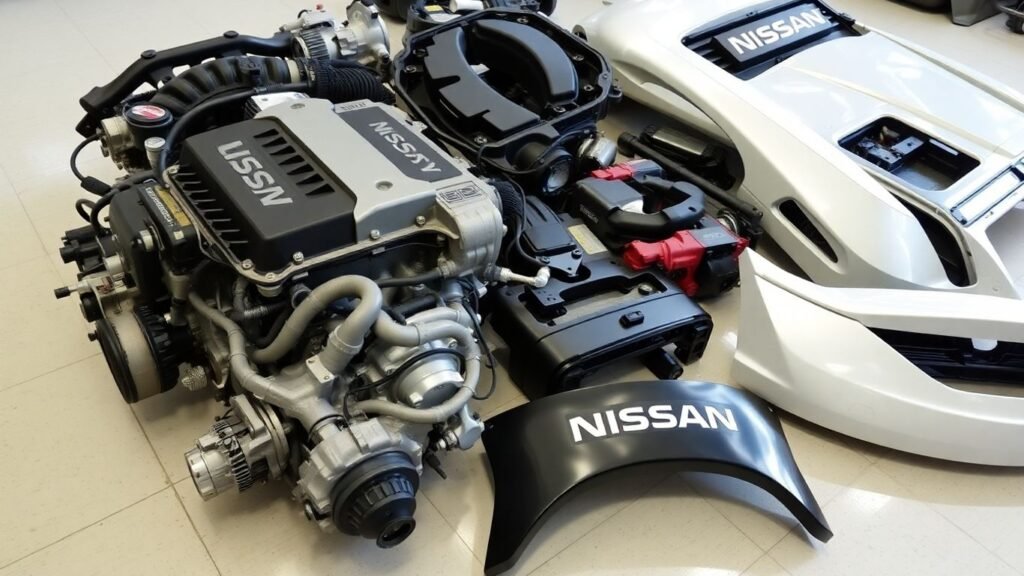
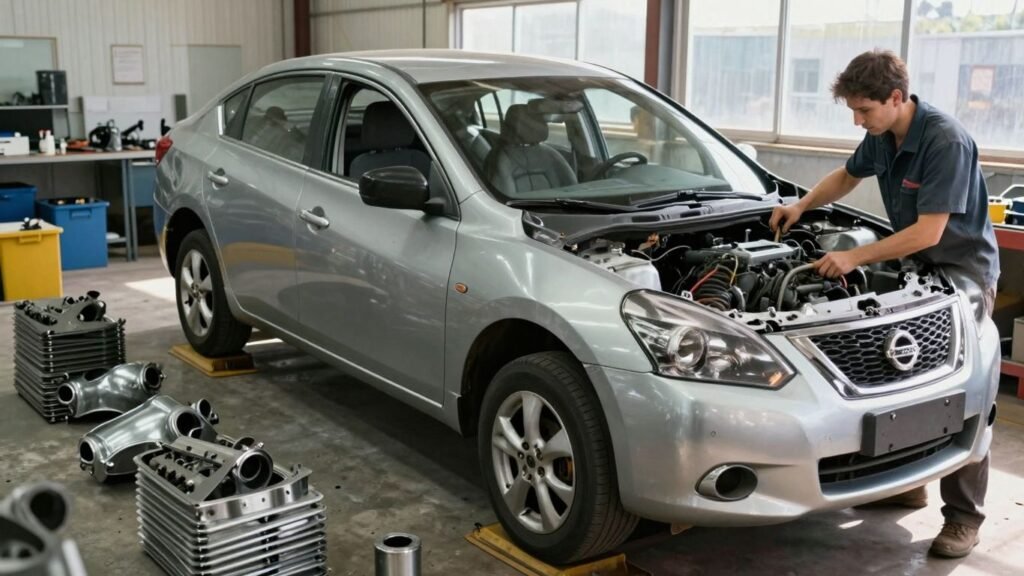
Nissan car being recycled at a wrecking yard.
Blog

How Nissan Wreckers Help Reduce Auto Waste: A Guide to Sustainable Car Disposal

Thinking about what to do with your old Nissan? Instead of just letting it sit or heading straight to the dump, there’s a much smarter way to go. Nissan wreckers offer a fantastic solution, not just for your wallet, but for the planet too. They’re basically experts at taking cars that have seen better days and finding new life for their parts. This whole process is a big deal for cutting down on car waste, and it’s simpler than you might think. Let’s look at how Nissan wreckers help reduce auto waste and why it’s a good idea to use them. Key Takeaways Nissan wreckers play a vital role in reducing auto waste by salvaging and recycling usable parts from end-of-life vehicles. Choosing Nissan wreckers helps conserve natural resources and lowers greenhouse gas emissions compared to manufacturing new parts. The value of a Nissan for wrecking depends on its condition, model, age, and the current demand for its specific parts. Nissan is committed to a circular economy, with processes in place to repurpose and recycle components, including hazardous materials, responsibly. Reputable Nissan wreckers provide cost-effective, quality alternatives to new OEM parts and can be found through online directories, manufacturer resources, and owner recommendations. Understanding How Nissan Wreckers Help Reduce Auto Waste What Are Nissan Auto Wreckers? Nissan auto wreckers are basically specialized businesses that deal with old or damaged Nissan vehicles. Instead of just crushing them and sending them off to a landfill, they carefully take them apart. Think of them as mechanics who are really good at salvaging usable parts from cars that have reached the end of their road. They’re a big part of the auto dismantling world, focusing specifically on Nissan models. Their main job is to get those still-good parts out so they can be sold again, and to handle the rest of the car in an eco-friendly way. It’s a service that helps car owners get affordable replacements and also helps the environment. The Role of Nissan Wreckers in Sustainability These wreckers play a pretty significant role when it comes to being sustainable. When a car is wrecked, a lot of its components can still be perfectly fine. Instead of making new parts from scratch, which uses up a lot of energy and raw materials, wreckers give these existing parts a second life. This means fewer resources are mined or manufactured, and less waste ends up in landfills. It’s a direct way to cut down on the environmental impact of cars. They’re essentially part of a bigger effort to keep useful materials in circulation for as long as possible, which is a core idea in making things more sustainable. The automotive industry has a huge footprint. By choosing to recycle and reuse parts from vehicles that are no longer roadworthy, we’re actively participating in a solution rather than contributing to the problem. It’s about seeing value where others might see junk. Nissan’s Commitment to a Circular Economy Nissan itself is actually working towards what’s called a circular economy. This is a system where waste is minimized, and resources are kept in use for as long as they can be. Auto wreckers fit right into this. They help close the loop by taking old cars and making sure their parts are either reused or recycled properly. This reduces the need for new manufacturing, which in turn cuts down on pollution and the use of virgin materials. It’s a smart way to manage resources and reduce waste, aligning with Nissan’s broader goals for a greener future. The Environmental Benefits of Choosing Nissan Wreckers Reducing Landfill Waste Through Part Recycling When a Nissan reaches the end of its road, so to speak, it doesn’t have to just become a pile of junk taking up space. Nissan wreckers play a big part in stopping that from happening. They take these old cars and carefully take them apart, salvaging usable parts. Think of it like a mechanic’s treasure chest. Instead of tossing a perfectly good alternator or a set of headlights, they get cleaned up and offered for sale again. This means fewer whole cars end up in landfills, which are already overflowing. Every part that gets a second life is one less item contributing to land pollution. It’s a simple idea, but it makes a huge difference in keeping our planet cleaner. Conserving Natural Resources Making new car parts from scratch uses a lot of raw materials. We’re talking metals, plastics, and other stuff that has to be mined or manufactured. This whole process uses energy and can really impact the environment. When you choose to buy a used part from a Nissan wrecker, you’re cutting down on the need for all that new production. It’s like giving Mother Nature a break. Less mining, less manufacturing, and less energy used means we’re preserving our planet’s resources for the future. It’s a smart way to keep cars running without constantly depleting what we have. Lowering Greenhouse Gas Emissions The manufacturing of new car parts is a pretty energy-intensive business, and that often means a lot of greenhouse gases get pumped into the atmosphere. Think about the factories, the transportation of materials, and the whole production line. It all adds up. By opting for recycled Nissan parts, you’re sidestepping a big chunk of that industrial process. This directly helps to reduce the overall carbon footprint associated with keeping cars on the road. It’s a way to be a responsible car owner and help combat climate change, one used part at a time. Choosing recycled parts isn’t just about saving money; it’s a conscious decision to support a more sustainable automotive ecosystem. It’s about recognizing that old parts still have value and can contribute to a healthier planet. Key Factors in Nissan Vehicle Assessment for Wrecking So, you’ve decided to part ways with your old Nissan, and you’re looking into wrecking it. That’s a smart move for both your wallet and the planet. But how do these wreckers figure out what
Nissan car maintenance checklist for 2025
Blog

Your Essential Nissan Car Maintenance Checklist for 2025: Stay Ahead of Service

Keeping your Nissan running well means staying on top of its service schedule. Think of it like going to the doctor for a check-up – it catches little things before they become big headaches. For your 2025 Nissan, whether it’s a car like the Sentra or Altima, or a truck like the Frontier, following a maintenance plan is key. This guide breaks down what you need to know about the Nissan car maintenance checklist for 2025, so you can keep your ride in great shape for years to come. Key Takeaways Regular service for your Nissan is important to make sure it lasts a long time and runs well. Following a maintenance schedule helps catch small problems before they turn into expensive repairs. Different Nissan models might have slightly different service needs, so check your owner’s manual. Key service points happen at mileage markers like 10,000, 15,000, 30,000, 60,000, and 90,000 miles. Don’t forget to keep track of your service history using a logbook or reminders. Understanding Your Nissan Car Maintenance Checklist for 2025 The Importance of Regular Service for Nissan Longevity Keeping your Nissan running well for years to come really comes down to one thing: regular check-ups. Think of it like going to the doctor for a yearly physical. You might feel fine, but the doctor can spot little things before they become big problems. Your car is no different. Sticking to a maintenance schedule helps catch issues early, which can save you a lot of headaches and money down the road. A well-maintained Nissan is a reliable Nissan. It means fewer unexpected breakdowns and a smoother driving experience, whether you’re just running errands or heading out on a road trip. Preventing Small Issues From Becoming Major Problems It’s easy to put off that oil change or ignore a strange noise. But those small things can snowball. For instance, old oil doesn’t lubricate your engine as well, leading to more wear and tear. A worn belt could snap, leaving you stranded. Regular service intervals are designed to address these potential problems before they get serious. For example, at certain mileage points, your Nissan might need its brake fluid checked or replaced. If you skip that, your brakes might not work as well when you really need them. It’s all about proactive care. Tailoring Maintenance to Your Specific Nissan Model While Nissan has general guidelines for all its vehicles, your specific model might have a few unique needs. A sporty sedan like the Altima might have different requirements than a rugged Frontier truck. The owner’s manual is your best friend here; it lays out exactly what your car needs and when. Knowing your model’s specific maintenance schedule, like when to check the transmission fluid or replace spark plugs, helps keep it performing at its best. It’s not a one-size-fits-all situation, so paying attention to your model’s particular needs makes a big difference. Keeping up with your Nissan’s service schedule isn’t just about following rules; it’s about protecting your investment and ensuring your car remains a dependable part of your life for as long as possible. Small actions now prevent big headaches later. Key Service Milestones for Your 2025 Nissan Your Nissan is built to last, but like any machine, it needs regular care to keep running smoothly for years to come. Staying on top of your vehicle’s maintenance schedule is key to keeping it in top shape. The manufacturer provides a simple mileage checklist to guide you through important service points. These intervals help ensure that your vehicle stays in good condition. The 10,000-Mile Initial Maintenance By the time your Nissan reaches 10,000 miles, it’s due for its first service. This initial round of maintenance is pretty straightforward but important for long-term vehicle performance. It typically includes: Service Item Tire Rotation Air Filter Replacement Oil Change Parts Inspection Neglecting this first service can lead to more costly repairs and reduced vehicle efficiency down the road. Taking advantage of this service can also help you benefit from warranty coverage. This early attention sets the tone for future services and helps prevent small issues from becoming bigger problems. The 15,000-Mile First Major Checkup When your Nissan hits the 15,000-mile mark, it’s time for a bit more attention to keep it in prime condition. This is one of the first major milestones in your car’s service schedule. For models like the 2025 Nissan Sentra, Altima, or Frontier, taking care of your vehicle now helps prevent minor issues from turning into major ones later. Here’s what you can generally expect: Oil and Filter Change: Essential for keeping the engine lubricated. Air Filter Replacement: Helps the engine get proper airflow, improving fuel economy. Brake Fluid Check: Ensures your brakes are working efficiently and safely. Washer Fluid Refill: Keeps your windshield clear for better visibility. This is also a good time to have the overall health of your car’s key systems, including brakes and tires, checked. The 30,000-Mile Deeper Dive Into Vehicle Health When your Nissan reaches 30,000 miles, it’s time for a more thorough checkup. By this point, your vehicle might be showing some signs of wear, and addressing these early can help avoid expensive repairs later. This service goes beyond the basics and includes several key maintenance tasks to help your Nissan perform at its best. Tasks at this milestone build on the 15,000-mile service but also introduce important new checks and fluid replacements. Your mechanic will also check for wear in belts, hoses, and valves. Addressing these smaller components now can prevent bigger problems in the future. The 30,000-mile service plays a significant role in the long-term health of your vehicle. Essential Checks at Higher Mileage Intervals The 60,000-Mile Service for Optimal Performance Reaching 60,000 miles means your Nissan is well into its service life, and this milestone service is all about keeping it running at its best. Think of it as a tune-up for a seasoned traveler. This is a good time to swap out the transmission fluid and filter,

Nissan car being recycled
Blog

Responsible Recycling: Your Guide on How to Recycle Your Old Nissan Vehicle

Thinking about getting rid of your old Nissan? It can feel like a big task, especially if it’s seen better days. But there’s a good way to handle it. This guide is all about how to recycle your old Nissan vehicle responsibly. We’ll cover what to look for, how to get the most out of it, and make sure it’s done the right way for the planet. Key Takeaways Nissan car wreckers dismantle old vehicles to salvage usable parts, promoting recycling and sustainability. The value of your Nissan for wrecking depends on its condition, model, and the demand for its specific parts. Responsible recycling reduces landfill waste and conserves natural resources by reusing materials and functional components. Before selling, gather all necessary documents, remove personal items, and arrange for towing if needed. Choose licensed and certified wreckers who follow environmentally sound disposal practices for fluids and materials. Understanding Nissan Car Wreckers What Are Nissan Car Wreckers? Nissan car wreckers are basically specialized businesses that deal with old or damaged Nissan vehicles. Instead of just letting these cars sit around or go straight to a landfill, these places take them apart. They carefully remove usable parts, like engines, transmissions, body panels, and even interior bits. These salvaged parts are then sold to people who need replacements for their own Nissans. It’s a smart way to keep perfectly good components from going to waste and helps keep older cars on the road longer. Plus, it’s a big part of making the auto industry a bit greener. The Process of Wrecking A Nissan Car So, how does it all work when you decide to have your Nissan wrecked? It usually starts with you reaching out to a car wrecker. They’ll want to know about your car – the model, the year, and its general condition. Sometimes they’ll ask for pictures. Based on this info, they’ll give you an offer. If you agree, they’ll arrange to pick up your car. Once it’s at their yard, the real work begins. Skilled technicians will go through the vehicle, identifying and removing any parts that are still in good shape and likely to be in demand. These parts are then cleaned up, cataloged, and put into inventory, ready for someone else to buy. Key Factors in Vehicle Valuation When a wrecker looks at your old Nissan, they’re not just seeing a pile of metal. They’re assessing its potential value, and a few things really matter. The overall condition of the car is a big one – is it mostly intact, or has it been in a major accident? Certain models are also more popular than others, meaning their parts might be in higher demand. Think about a classic Z car versus a more common sedan; the parts for the Z might be worth more. The age of the car plays a role too, as do the specific parts that are still functional. An engine that runs well or a transmission in good shape can significantly boost the car’s valuation. The value of your old Nissan isn’t just about its scrap metal weight. It’s about the individual components that can live on in another vehicle, saving resources and money for others. Maximizing Value From Your Old Nissan So, you’ve decided it’s time to say goodbye to your old Nissan. Before you just hand over the keys, let’s talk about how you can actually get the most out of it. It’s not just about getting rid of it; it’s about making sure you get a fair shake for what it’s worth. Assessing Your Nissan’s Condition First things first, take an honest look at your car. Is it a total write-off from a major accident, or is it just a bit worn around the edges? The overall condition plays a huge role. Think about what’s still working well. Are the engine and transmission in decent shape? How about the body panels – are they mostly intact, or are they rusted through? Even the interior condition can make a difference. A car that’s been well-maintained, even if it’s old, will generally be worth more than one that’s been neglected. The Role of Model and Part Demand Not all Nissans are created equal when it comes to value. Certain models, especially those that are harder to find or have a strong following, can fetch a better price. Think about popular models like the Altima or the Rogue, or maybe a classic like a Z car. Even if the car itself isn’t running, the demand for its specific parts can significantly boost its value. If a particular part from your model is frequently needed for repairs or upgrades, wreckers will pay more for it. It’s a bit like supply and demand, but for car parts. Salvageable Parts From A Wrecked Nissan When a car gets wrecked, it’s not just scrap metal. Many components can be pulled out and given a new life. Major items like the engine, transmission, and catalytic converter are often the most valuable. But don’t forget about other parts: body panels (doors, fenders, hoods), headlights, taillights, wheels, and even interior pieces like seats and dashboards can be salvaged. Electronics, like the infotainment system or control modules, can also be worth something. The key is to identify what’s still functional and in good condition before the car is completely dismantled. When you’re looking at your old Nissan, try to think like a mechanic or a parts buyer. What would someone else need to fix their own car? Focusing on those functional, in-demand components is where the real value lies. Here’s a quick look at how different factors might influence the value: Factor High Value Indicator Condition Mostly intact body, functional engine/transmission Model Popular models, rare or classic Nissan variants Part Demand High demand for specific engine, body, or electronic parts Mileage (if running) Lower mileage generally means more life in parts Responsible Recycling Practices Nissan’s Commitment to Sustainability Nissan, like many major automakers, has a plan for what happens to

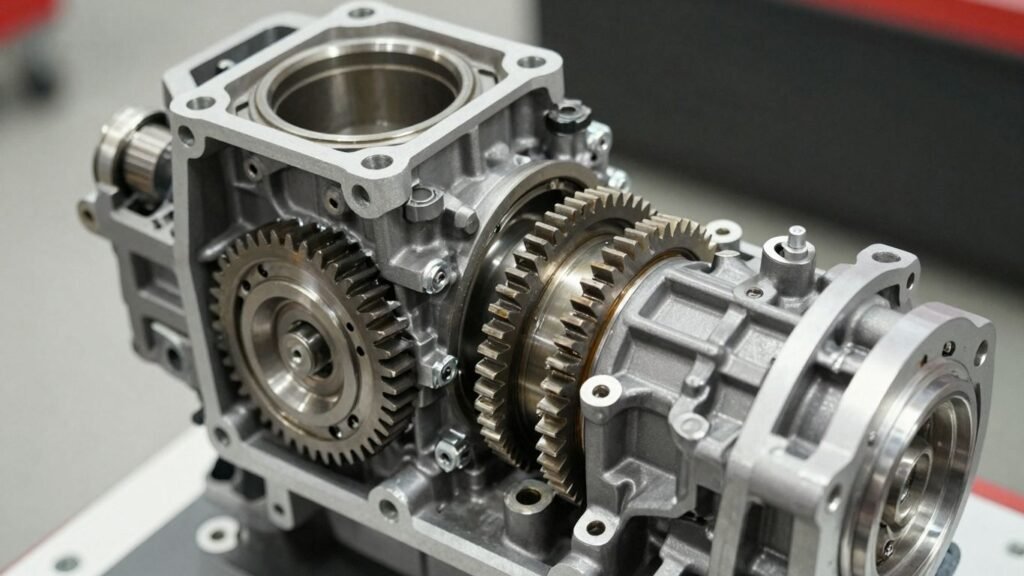
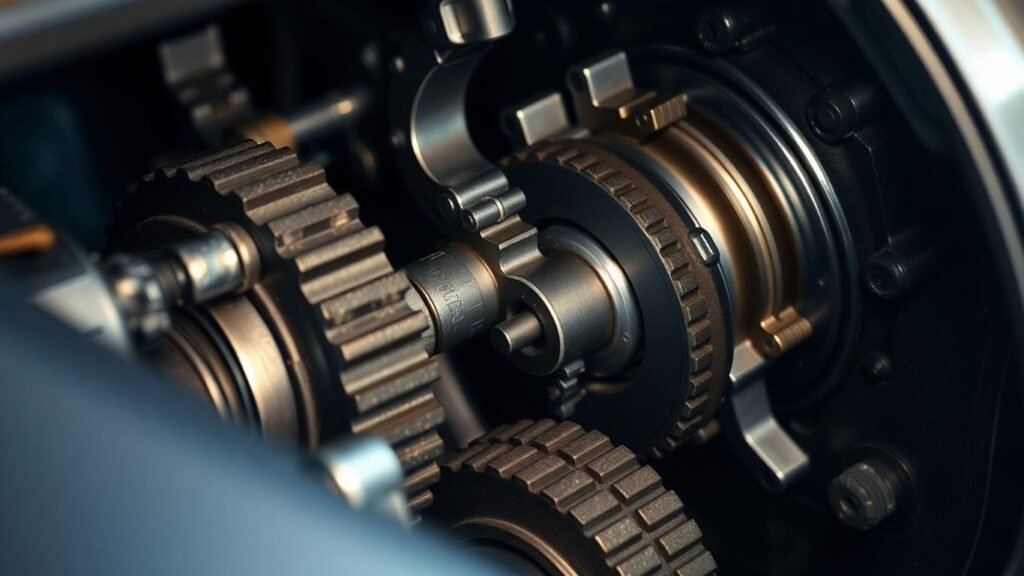
Nissan gearbox mechanical parts
Blog

Beyond the Basics: Identifying Signs Your Nissan Gearbox Needs Replacement

Your Nissan is a pretty reliable car, right? Most of the time, they just keep going. But sometimes, things happen, and you might start hearing weird noises or feeling your car act a little funny. If you’re wondering about signs your Nissan gearbox needs replacement, you’ve come to the right place. We’ll go over what to listen and look out for so you can catch problems early. Key Takeaways Pay attention to strange noises like grinding or whining when your Nissan shifts gears. If your car slips out of gear or has trouble staying in gear, it’s a definite sign to get it checked. Notice any delays or harsh jolts when your transmission shifts? That’s another warning sign. Keep an eye out for leaks of red or brown fluid under your car, and don’t ignore a burning smell. Dashboard warning lights, especially the transmission or check engine light, mean it’s time for a professional look. Recognizing the Warning Signs Your Nissan Gearbox Needs Replacement Your Nissan’s gearbox is a pretty complex piece of machinery, and like anything mechanical, it can start to show its age or develop problems. Ignoring the early signs can turn a minor issue into a major, expensive headache. So, what should you be listening and feeling for? Unusual Noises During Gear Shifts Pay attention to the sounds your car makes, especially when you’re shifting gears. A healthy transmission is usually pretty quiet. If you start hearing things like grinding, clunking, or a whining sound that wasn’t there before, that’s a definite red flag. These noises often mean that something inside the gearbox isn’t meshing correctly, or perhaps the fluid levels are too low to keep things properly lubricated. Slipping Gears or Inconsistent Engagement This one can be a bit unnerving. If you’re driving along and your car suddenly feels like it’s popped out of gear, or if the gear you’re in doesn’t feel solid and stable, that’s a serious sign of trouble. It might feel like the engine revs up, but the car doesn’t accelerate as it should, or you might feel a lurch. This inconsistent engagement is a clear indicator that the transmission is struggling to hold onto the gear. Delayed or Harsh Shifting Sensations When you put your car into drive or shift between gears (especially in an automatic), there’s usually a smooth, almost unnoticeable transition. If you notice a significant delay between when you select a gear and when the car actually engages it, or if the shift feels harsh, like a jolt or a thump, that’s not normal. This can happen because the transmission isn’t getting the right hydraulic pressure, or there’s an issue with the internal components. Sometimes, these symptoms can be subtle at first. You might dismiss a slight hesitation or a faint noise as just ‘how the car is.’ But if you’re paying attention, these little quirks can tell you a lot about the health of your gearbox before it becomes a bigger problem. Investigating Transmission Fluid Issues Transmission fluid. It’s kind of the lifeblood of your gearbox, right? It keeps everything running smoothly, lubricated, and cool. When this fluid gets old, low, or contaminated, it can cause all sorts of headaches for your Nissan. So, let’s talk about what to look for. Identifying Transmission Fluid Leaks Ever notice a puddle under your car after it’s been parked? If it’s reddish or brownish and has a slightly oily feel, that’s a strong indicator of a transmission fluid leak. These leaks aren’t just messy; they mean your transmission isn’t getting the lubrication it needs. Over time, this can lead to serious wear and tear on internal parts. You might see the fluid dripping from the transmission pan, seals, or lines. Don’t ignore these spots on your driveway; they’re a direct message from your car. The Significance of a Burning Smell That acrid, burning smell? It’s usually not a good sign, especially when it seems to be coming from the transmission area. This often happens when the transmission fluid overheats. Overheating can be caused by low fluid levels, a clogged filter, or the fluid itself breaking down and losing its effectiveness. If you catch this smell, it’s best to pull over safely and let the car cool down, then get it checked out. Continuing to drive with overheated fluid can cause irreversible damage. Understanding Fluid Quality and Level Checks Checking your transmission fluid is pretty straightforward, though it can be a bit trickier than checking your engine oil on some Nissan models. You’ll typically find the dipstick (often with a red or black handle) near the back of the engine bay. When you pull it out, look at the fluid on the end. It should be a bright red or slightly pinkish color and not smell burnt. If it’s dark brown, black, or smells burnt, it’s time for a change. Also, make sure the level is between the ‘hot’ and ‘cold’ marks on the dipstick. Low fluid is a major cause of transmission problems. Keeping an eye on your transmission fluid is one of the simplest yet most effective ways to catch potential issues before they become major repairs. It’s a small bit of maintenance that can save you a lot of trouble down the road. Here’s a quick look at what to expect when checking your fluid: Fluid Condition Potential Issue Bright Red/Pink, Clean Normal Operation Dark Brown or Black Fluid Degradation, Overheating Burnt Smell Severe Overheating, Internal Damage Low Level Leak, Insufficient Lubrication Dashboard Indicators and Transmission Health Interpreting the Transmission Warning Light Your Nissan’s dashboard is like a little control panel for your car’s well-being, and sometimes, it’ll flash a warning about the gearbox. The most direct signal is usually a dedicated transmission warning light. This light might look like a gear with an exclamation mark inside, or it could simply say ‘Transmission’ or ‘Check Transmission’. When this light illuminates, it’s your car’s way of saying something needs attention, and it’s best not to ignore it. It

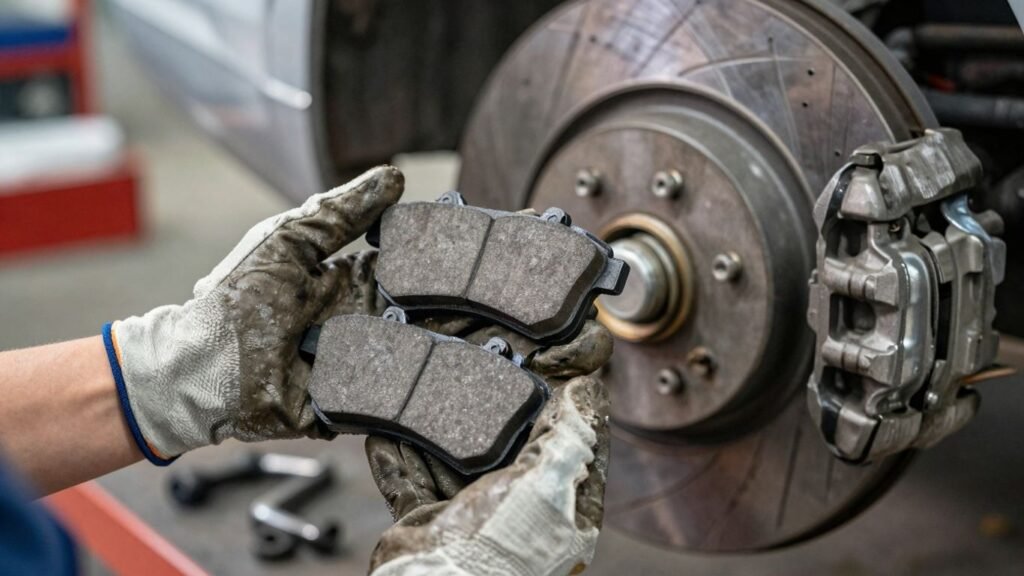
Hands holding new Nissan brake pads near car brake.
Blog

How to Replace Nissan Brake Pads Safely: A Step-by-Step DIY Guide

Thinking about tackling brake pad replacement on your Nissan yourself? It might sound a bit much, but honestly, with the right approach, it’s totally doable. This guide is here to walk you through how to replace Nissan brake pads safely, step-by-step. We’ll cover everything from getting your car ready to putting the new pads in, making sure you feel confident about keeping your brakes in good shape. Whether you’re driving an Altima, Pathfinder, or Rogue, these tips will help you get the job done right, saving you time and money. Key Takeaways Always park your Nissan on a level surface and engage the parking brake before starting any brake work. Gather all necessary tools, including a jack, jack stands, lug wrench, and a C-clamp or brake piston tool, before you begin. Loosen lug nuts before lifting, then safely lift the vehicle and secure it with jack stands before removing the wheels. Carefully remove the old brake pads and caliper, then install the new pads, applying brake grease where needed and ensuring they fit snugly. After reassembly, test your brakes in a safe, open area before driving in traffic. Preparing Your Nissan For A Safe Brake Pad Replacement Park Safely and Secure Your Vehicle Before you even think about touching a wrench, the very first thing you need to do is find a good spot to work. Always park your Nissan on a completely level surface. Seriously, don’t try to do this on a slope, even a small one. Your car could roll while you’ve got it jacked up, and that’s a recipe for a really bad day. Once it’s parked on flat ground, yank that parking brake up tight. Then, grab some wheel chocks – those little wedges you can buy at an auto parts store – and shove them behind the tires that are staying on the ground. This adds an extra layer of security against rolling. And obviously, make sure the engine is off and the keys are out of the ignition. Working on your car can be messy and sometimes a bit dangerous if you’re not careful. Taking a few extra minutes to set up your workspace properly, like making sure the car won’t move, is way better than dealing with a problem later. Ensure Your Nissan Is Ready For Service Okay, so the car is parked and secured. Now, let’s talk about the gear you’ll need. You’ll want to have your jack and, more importantly, your jack stands ready. Never, ever rely solely on the jack to hold the car up. Jack stands are what keep the vehicle stable and safe while you’re working underneath it. Make sure your jack is rated for the weight of your Nissan and that the jack stands are positioned correctly on the frame. It’s also a good idea to have some brake cleaner on hand to clean up parts as you go, and maybe a wire brush to knock off any rust. Having everything laid out and ready to go makes the whole process much smoother. Gather Essential Tools and Supplies Getting your tools together beforehand is a big time-saver. You’ll definitely need a lug wrench to get the wheels off, and a socket set or wrenches for the caliper bolts. A C-clamp or a specialized brake piston tool is usually needed to push the caliper piston back in. Don’t forget your new brake pads, of course, and make sure they’re the right ones for your specific Nissan model – checking the part number is key. Some people like to have a torque wrench to tighten the lug nuts back to spec, which is a good idea if you have one. And, as mentioned, some brake cleaner and a wire brush can be really helpful for cleaning up the caliper bracket and hub. Safety glasses and gloves are a must, too. You don’t want brake dust or rust getting in your eyes or on your skin. Step-By-Step Guide To Replacing Nissan Brake Pads Alright, let’s get down to business with actually swapping out those old brake pads for new ones on your Nissan. It might seem a bit involved, but if you take it one step at a time, you’ll be just fine. Remember, safety first, always. Loosen Lug Nuts and Lift Vehicle Safely Before you even think about jacking up your car, grab your lug wrench and give those lug nuts on the wheel you’re working on a good loosen. Don’t take them all the way off yet, just break them free. This is way easier to do when the tire is still firmly on the ground. Once they’re loose, find your car’s jacking point – check your owner’s manual if you’re not sure – and get that jack in place. Slowly raise the vehicle until the tire is completely off the ground. Now, and this is super important, slide some sturdy jack stands under the frame near the jack point. Lower the car gently onto the stands. Give the car a little shake to make sure it’s stable. Never, ever work under a car supported only by a jack. Remove Wheels and Inspect Brake Assembly With the car safely on jack stands, you can now go ahead and fully remove those lug nuts you loosened earlier. Keep them somewhere safe, maybe in a cup or a magnetic tray. Then, pull the wheel straight off the studs. Set it aside. Now you’re looking at your brake assembly. Take a good look at the rotor – that’s the shiny metal disc. Check it for any deep grooves, cracks, or signs of warping. Also, give the brake caliper a once-over. This is the part that clamps down on the rotor. Remove Old Brake Pads and Caliper Next up is getting the caliper out of the way. You’ll usually find two bolts holding it in place, often on the back side. Use your wrench or socket set to remove these bolts. Once they’re out, you should be able to carefully slide

Nissan car fuel gauge showing full tank
Blog

Unlock Savings: Essential Tips to Improve Fuel Efficiency in Nissan Cars

Looking to save a little cash at the pump and make your Nissan go further? You’re in the right place. Lots of people think getting better gas mileage is complicated, but it’s often about small changes. We’ll break down some straightforward tips to improve fuel efficiency in Nissan cars. These aren’t just for a specific model; many apply to most Nissans out there. Let’s get your car running smarter and save you some money. Key Takeaways Drive smoothly: Avoid sudden starts and stops. Gentle acceleration and coasting to a stop use less gas. Keep a steady speed on the highway. Using cruise control helps maintain a consistent pace and saves fuel. Regular maintenance matters. Things like clean air filters and proper tire pressure make a big difference. Lighten the load. Don’t carry around extra weight in your car when you don’t need to. Plan your trips. Combining errands and avoiding peak traffic times cuts down on wasted fuel. Optimize Your Driving Habits for Better Mileage Think about how you drive your Nissan. It really makes a difference in how much gas you use. When you’re behind the wheel, try to be smooth. That means no sudden stomping on the gas pedal or slamming on the brakes. Gently pressing the accelerator lets your car build speed without guzzling extra fuel. And when you see a red light or need to slow down, ease off the gas early and let your car coast. This not only saves gas but is easier on your brakes too. Embrace Smooth Acceleration and Braking When you’re starting from a standstill, give your Nissan a little time to get going. A slow, steady increase in speed uses less fuel than flooring it. Likewise, when you need to stop, anticipate it. Lifting your foot off the gas pedal a bit before you actually need to brake allows your car to slow down naturally. This technique is like a gentle dance between you and your car, saving fuel and reducing wear. Maintain Consistent Highway Speeds On longer drives, especially on the highway, try to keep your speed steady. Constantly speeding up and slowing down burns more gas than you might think. Your Nissan’s engine works most efficiently when it’s running at a consistent pace. Fluctuating speeds mean the engine is constantly adjusting, which uses more fuel. Utilize Cruise Control Effectively This is where cruise control really shines. On highways or long, open roads, setting your cruise control to a steady speed is a fantastic way to save fuel. It takes the guesswork out of maintaining a consistent pace and prevents those little speed variations that add up. It’s not just about comfort; it’s a smart way to help your Nissan use less gas on longer trips. Your driving style has a direct impact on your fuel consumption. Small adjustments can lead to noticeable savings over time, making your trips more economical and better for the environment. Essential Maintenance for Peak Fuel Efficiency Keeping your Nissan running smoothly is a big part of getting the best gas mileage. It’s not just about the fancy tech; sometimes, the basics make the biggest difference. Think of it like taking care of yourself – a little regular upkeep goes a long way. Regular Engine Oil Changes Engine oil is like the blood of your car’s engine. It keeps all the moving parts from grinding against each other and getting too hot. Over time, though, that oil gets dirty and doesn’t work as well. When that happens, your engine has to work harder, and that means it uses more gas. Sticking to your Nissan’s recommended oil change schedule means your engine stays well-lubricated and runs more efficiently. It’s a simple step, but it really helps. Clean Air Filter Replacement Your engine needs air to burn fuel, just like you need air to breathe. The air filter is there to catch all the dust and gunk before it gets into the engine. If that filter gets clogged up, it’s like trying to breathe through a straw – the engine struggles to get enough air. This makes it use more fuel to do its job. Swapping out a dirty air filter for a clean one lets your engine breathe easy, improving how well it burns fuel. Proper Tire Inflation is Key This one is super important and often overlooked. Your tires are the only part of your car that touches the road. When they’re not filled with the right amount of air, they don’t roll as smoothly. Underinflated tires create more drag, making your engine work harder to move the car forward. This wastes gas. Checking your tire pressure regularly and keeping them at the pressure recommended in your owner’s manual or on the sticker in the driver’s side door jamb is a quick win for better gas mileage. Plus, it’s safer and helps your tires last longer. Keeping up with these maintenance tasks might seem like a chore, but they’re really investments. They help your Nissan perform better, use less fuel, and can even prevent bigger, more expensive problems down the road. It’s about getting the most out of your car and saving money at the pump. Advanced Maintenance for Maximum MPG Beyond the regular upkeep, a few extra steps can really make a difference in how far your Nissan goes on a tank of gas. Think of these as tune-ups for your wallet and the planet. Ensure Proper Wheel Alignment When your car’s wheels aren’t pointed straight, it’s like trying to walk with your feet turned in or out – it takes more effort. For your Nissan, misaligned wheels cause them to drag a bit, creating extra resistance. This means your engine has to work harder, burning more fuel just to keep moving. Getting your alignment checked means all four wheels are set to point in the same direction and are parallel. This helps your car roll more freely, saving you gas. Plus, good alignment helps your tires last longer and makes the

Nissan car parts: new vs. salvaged
Blog

Why Choose Nissan Wreckers Over New Part Suppliers: A Smart Alternative

That dreaded check engine light flicks on, and your mind immediately jumps to the potential cost of a repair. For many drivers, the high price of brand-new parts can feel overwhelming, sometimes making a vital repair seem unaffordable. But before you stress, you should know there’s a growing, reliable, and highly economical alternative that savvy car owners are embracing: used auto parts. Far from the disorganized junkyards of the past, today’s recycled parts industry is a network of professional, certified auto recycling centers. When a vehicle reaches the end of its life, these facilities meticulously dismantle it. Every salvageable component, from complex engines and transmissions to body panels, headlights, and alternators, is carefully inspected, cleaned, and tested for quality and performance. This rigorous process ensures that the parts are not only functional but also safe. Reputable dealers provide traceability and stand behind their products with a warranty, giving you peace of mind at a fraction of the cost. The financial advantage is the most obvious draw. You can typically save between 50% and 70% compared to buying a new part. On a significant repair, this can mean the difference between a manageable expense and a financially challenging one. Beyond the savings, choosing a used part is a powerful act of environmental responsibility. It is the circular economy in action. By reusing a perfectly good component, you reduce the demand for new raw materials and prevent the significant CO2 emissions generated during manufacturing. It’s a choice that conserves resources and reduces landfill waste. Ultimately, opting for used auto parts is no longer a compromise. It is an intelligent decision for any modern car owner, delivering reliability, value, and sustainability in one smart package. Key Takeaways Nissan wreckers offer a cost-effective solution, often saving drivers 50-70% compared to new parts, making essential repairs more manageable. Choosing used Nissan parts supports the circular economy and significantly reduces the environmental impact by lowering manufacturing emissions and conserving resources. Modern auto recycling facilities rigorously test and inspect used parts, often providing warranties, ensuring reliability and performance comparable to new components. Nissan wreckers provide convenient access to a wide variety of parts, often with faster turnaround times than ordering new, through both local and online channels. Opting for Nissan wreckers over new part suppliers is a smart, practical choice that balances affordability, quality, and environmental consciousness for vehicle maintenance. Understanding Nissan Wreckers As A Smart Alternative What Are Nissan Wreckers? So, you’ve got a Nissan that needs a part, and you’re wondering about your options. Forget the image of dusty, disorganized junkyards from the old days. Today’s Nissan wreckers, or more accurately, auto recyclers, are professional operations. They take in vehicles that have reached the end of their road, whether due to age, accidents, or other reasons. These facilities are essentially treasure troves for perfectly good Nissan components. Instead of letting these cars become scrap metal, wreckers carefully dismantle them, salvaging every usable part. Think engines, transmissions, body panels, headlights, alternators – you name it. It’s a far cry from just crushing cars; it’s a methodical process of giving functional parts a second life. The Professionalism Of Modern Auto Recycling It’s easy to think of wreckers as just places that deal with old cars, but the reality is much more sophisticated. Modern auto recycling centers operate with a high degree of professionalism. When a vehicle arrives, it’s not just stripped randomly. Trained technicians assess each component for its condition and potential for reuse. Fluids are drained responsibly, and parts are carefully removed to avoid damage. This isn’t about hoarding old junk; it’s about systematically recovering valuable automotive resources. They often use specialized tools and follow specific procedures to ensure that the parts they extract are in good working order and ready for their next job. Quality Assurance For Used Nissan Parts This is where the perception of used parts really changes. Reputable Nissan wreckers don’t just pull a part and slap it on a shelf. They have rigorous inspection and testing processes. Before a part is offered for sale, it’s typically cleaned, examined for wear and tear, and often tested to confirm it meets performance standards. Some facilities even have specialized equipment to test components like engines or transmissions. This attention to detail means you’re not just getting a used part; you’re getting a part that has been vetted for quality and reliability. It’s a far cry from the gamble it might have once been. Significant Cost Savings With Nissan Wreckers Reducing Repair Expenses Dramatically When that check engine light pops on, or a part finally gives out, the first thought for many is the sticker shock of a brand-new replacement. Original Equipment Manufacturer (OEM) parts can really put a dent in your wallet, sometimes making a necessary repair feel impossible. But here’s the good news: there’s a much more affordable way to get your Nissan back in shape. Nissan wreckers, or more accurately, auto recyclers, offer a fantastic alternative that can slash your repair bills. Instead of paying top dollar for a part that’s just rolled off the assembly line, you can get a perfectly good, tested component for a fraction of the price. This makes keeping your Nissan running smoothly much more manageable. Comparing Prices: New vs. Used Nissan Parts Let’s talk numbers. The difference in cost between a new Nissan part and a quality used one from a reputable wrecker can be pretty substantial. For example, a new alternator might set you back several hundred dollars, plus installation. A tested, used alternator from a Nissan wrecker? You could be looking at half that price, or even less. The same goes for everything from brake calipers and radiators to body panels and interior components. Part Type New Part Cost (Approx.) Used Part Cost (Approx.) Savings (Approx.) Engine Component $500 – $1500 $200 – $600 50% – 70% Body Panel $300 – $800 $100 – $300 60% – 75% Transmission $2000 – $5000 $800 – $2000 50% – 60% This kind of saving isn’t

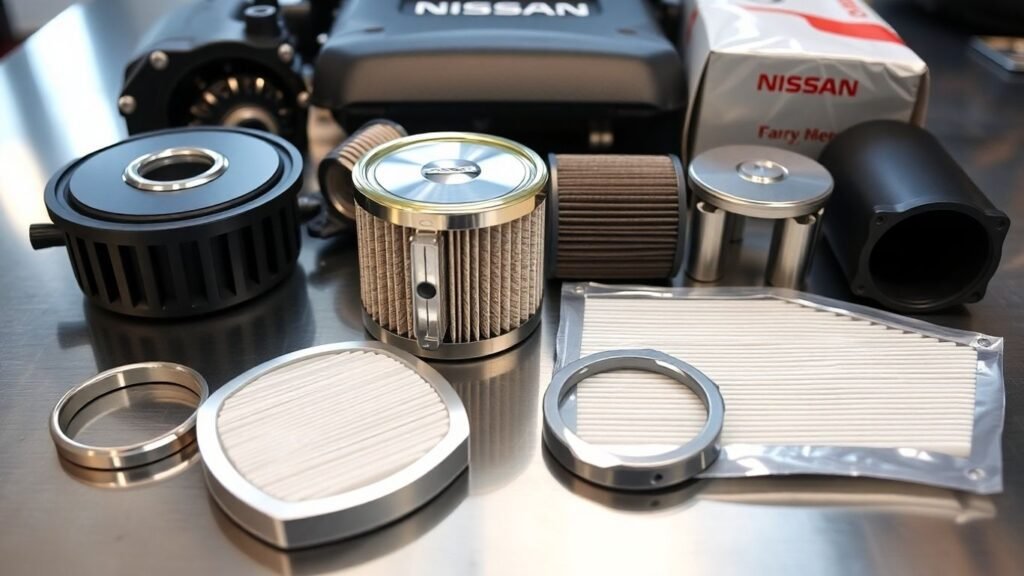
High-quality used Nissan car parts
Blog

How to Identify High-Quality Used Nissan Parts: A Buyer’s Essential Checklist

Looking for used Nissan parts can be a smart way to save money on repairs or upgrades. But how do you know if you’re getting something good, or just a piece of junk? It’s not always easy to tell, especially if you’re not a mechanic. This guide will walk you through how to identify high-quality used Nissan parts, so you can buy with more confidence and avoid wasting your cash. Key Takeaways Always check the physical condition of parts. Look for rust, dents, cracks, or any signs of damage that could affect performance. For mechanical parts, inspect for wear and tear on hoses, belts, and suspension. Check fluid levels and their condition if applicable. Try to find out the history of the part. Knowing where it came from and how the original vehicle was used can tell you a lot. Test electrical components whenever possible. Make sure lights, controls, and any electronic modules are working correctly. Buy from sellers you trust. Check their return policies and consider asking a mechanic to look at more complex parts before you commit to buying. Assessing The Physical Condition Of Used Nissan Parts When you’re looking at used Nissan parts, the first thing you’ll want to do is give them a good once-over. Think of it like checking out a used car – you wouldn’t buy one without looking it over, right? Same goes for parts. You need to see what you’re actually getting. Inspect Body Panels For Damage And Rust Start with the big stuff. Look over any body panels, like fenders, doors, or hoods, for dents, dings, or any signs of impact. Pay extra attention to the edges and seams, as this is where rust often likes to hide. Run your hand over the surface; you can sometimes feel subtle damage that isn’t obvious at first glance. Check the paint too – inconsistent paint jobs can sometimes mean a panel has been repaired after an accident. If you see any bubbling under the paint, that’s a sure sign of rust starting to form underneath. Examine Glass For Cracks And Chips Glass might seem straightforward, but even small chips can spread. Look closely at windshields, windows, and mirrors. Check for any cracks, no matter how small, and any significant chips or pitting. Even if a chip isn’t in your direct line of sight, it can weaken the glass and make it more prone to breaking later on. Make sure the glass is clear and not excessively scratched, which can also impair visibility. Evaluate Tire Tread And Sidewall Integrity If the part you’re looking at includes tires, or if you’re inspecting wheels, the tires themselves need a good look. Check the tread depth – you can often use a simple tread depth gauge or even a penny to see how much life is left. Look for uneven wear patterns, which could point to alignment issues on the original vehicle. Also, inspect the sidewalls carefully for any cracks, bulges, or cuts. These are serious safety concerns and mean the tire should be replaced. Remember, a part that looks good on the outside might have hidden issues. Always try to get as much information as you can about its history and how it was removed from the vehicle. Verifying The Mechanical Integrity Of Used Nissan Components When you’re looking at used Nissan parts, especially the ones that make the car go, you really need to check them out closely. It’s not just about how they look; it’s about whether they’ll actually work right when you put them in your car. This is where you can’t afford to be too careful. Check Fluid Levels And Condition If the part involves fluids, like an engine or transmission, you’ve got to look at what’s inside. For an engine, check the oil. Is it dark and sludgy, or does it look relatively clean? Milky oil can mean coolant got into the engine, which is a big problem. Same goes for transmission fluid; it should be reddish-pink and not smell burnt. Low fluid levels are also a red flag, suggesting leaks somewhere. Inspect Hoses And Belts For Wear Rubber parts like hoses and belts can look okay on the surface but be brittle or cracked underneath. Squeeze the hoses – they should feel firm, not mushy or rock-hard. Look for any signs of fraying, cracking, or glazing on the belts. A worn belt can snap, leaving you stranded, and a cracked hose can burst, causing overheating. Assess Suspension And Steering Components For suspension parts, like control arms or shocks, look for any obvious damage, leaks from the shocks, or torn rubber boots. Give them a good shake if possible. For steering components, check the tie rods and ball joints for play. Any looseness here can seriously affect how your car handles and steers. It’s easy to get caught up in the excitement of finding a part you need, but taking a few extra minutes to really inspect these mechanical bits can save you a lot of headaches and money down the road. A little bit of caution now can prevent a much bigger repair later on. Understanding The History And Provenance Of Used Nissan Parts Inquire About Previous Vehicle Usage When you’re looking at a used Nissan part, it’s really helpful to know what kind of life the car it came from had. Was it a daily commuter that saw a lot of highway miles, or was it a weekend warrior that mostly sat in a garage? Asking the seller about the vehicle’s general usage can give you clues. For instance, a car used for short, stop-and-go trips might put more wear on certain components like brakes and transmissions compared to one driven mostly on open roads. Knowing the vehicle’s typical environment and driving style can help you gauge the potential stress a part might have endured. Request Maintenance And Repair Records This is a big one. If the seller has any records of how the car was maintained, that’s

Genuine Nissan spare parts for peak performance.
Blog

Unlock Peak Performance: The Undeniable Benefits of Using Genuine Nissan Spare Parts

So, you’ve got a Nissan, and you want to keep it running like the day you bought it. That’s totally understandable. When it comes to repairs or replacements, you might wonder if using just any part will do. Well, let’s talk about why sticking with the real deal, genuine Nissan spare parts, is actually a pretty big deal for your car’s health and your wallet. Key Takeaways Using genuine Nissan spare parts helps your car perform at its best, keeping the engine running smoothly and the power consistent. These parts are made specifically for your Nissan, meaning they fit right and work as intended, unlike generic alternatives. Choosing authentic Nissan parts can protect your car’s warranty and help avoid bigger, more expensive problems down the road. Genuine parts are built tough and tested thoroughly, so they last longer and you won’t have to replace them as often. There’s a real sense of confidence and reliability that comes with knowing you’re using parts designed by Nissan for your Nissan. Ensuring Optimal Vehicle Performance Maintaining Peak Engine Efficiency Keeping your Nissan running smoothly means paying attention to the heart of the machine: the engine. When you use parts designed specifically for your Nissan, like genuine spark plugs or air filters, you’re helping the engine breathe and burn fuel as it was intended. This isn’t just about saving a few bucks on gas, though that’s a nice bonus. It’s about making sure every combustion cycle is as complete and clean as possible. Think of it like this: a perfectly tuned engine doesn’t waste energy. It converts fuel into motion efficiently, which translates to a more responsive feel when you press the accelerator and less strain on other components. Using non-genuine parts can sometimes lead to less efficient burning, creating more heat and potentially leaving deposits that clog up the system over time. It’s the small details, like the precise fit of a genuine oil filter, that really add up to keep your engine happy and working at its best. Preserving Drivetrain Integrity The drivetrain is what gets the power from your engine to the wheels, and it’s a complex system. Components like the transmission, driveshaft, and axles all work together. When you replace a part in this system, using a genuine Nissan component means it’s built to the exact tolerances and material specifications that Nissan engineers determined were necessary for durability and smooth operation. This is especially important for parts that handle a lot of stress, like CV joints or transmission gears. If a replacement part isn’t quite right – maybe it’s a fraction of a millimeter off, or made from a slightly different metal – it can put extra wear on other parts in the drivetrain. This can lead to vibrations, premature wear, and eventually, a much more expensive repair bill down the line. Keeping the drivetrain in good shape means a more reliable ride and avoids those dreaded noises that signal something’s not happy. Guaranteeing Consistent Power Delivery Ever notice how your Nissan feels just right when you accelerate? That’s a sign of consistent power delivery. Genuine Nissan parts are designed to work together harmoniously, so the power from the engine flows smoothly through the transmission and to the wheels without interruption. This means predictable acceleration, whether you’re merging onto a highway or just cruising around town. When aftermarket parts are used, especially in critical areas like the fuel system or ignition, they might not perform exactly to Nissan’s standards. This can result in slight hesitations, uneven power output, or a general feeling that the car isn’t quite as strong as it used to be. Maintaining this smooth, reliable power delivery is key to both driving enjoyment and safety. Using parts that aren’t specifically designed for your Nissan can create a domino effect. A slightly ill-fitting component might cause vibrations that wear down a connected part faster, or an electrical component that doesn’t communicate perfectly can throw off the engine’s timing, impacting everything from fuel economy to overall performance. It’s a chain reaction where one small compromise can lead to bigger issues. The Advantages of Genuine Nissan Components Superior Fit and Functionality When you choose genuine Nissan parts, you’re getting components designed with your specific vehicle in mind. Unlike aftermarket parts that might claim to fit a range of models, Nissan parts are engineered to meet the exact specifications of your car. This means they’ll install correctly the first time, without any fuss or modification. Think of it like a puzzle piece – a genuine Nissan part is the exact shape needed to complete the picture, ensuring everything works together as the engineers intended. This precision fit isn’t just about convenience; it directly impacts how well your car performs and how reliably it operates day in and day out. Uncompromising Quality Standards Nissan doesn’t cut corners when it comes to the quality of its parts. Every genuine component undergoes rigorous testing to make sure it can handle the demands of daily driving and beyond. This commitment to quality means you’re getting parts that are built to last and perform consistently. You can be confident that these parts meet the same high standards as the ones that originally came with your car. It’s about knowing that what you’re putting into your vehicle has been thoroughly vetted. The difference between a part that sort of fits and one that fits perfectly can be huge. It affects everything from how smoothly your car runs to how long it lasts. Genuine parts are made to be exact matches, which makes a real difference. Designed for Your Specific Nissan Model Your Nissan is a unique machine, and it deserves parts that understand its intricacies. Genuine Nissan parts are developed alongside the vehicles themselves. This close relationship means they are optimized for your car’s particular engine, transmission, suspension, and electrical systems. This isn’t a one-size-fits-all situation. Whether you drive a sporty sedan or a rugged SUV, genuine parts are tailored to complement its design and performance

Nissan transmission gears and internal components
Blog

Common Nissan Transmission Problems: Symptoms, Causes, and Solutions

So, your Nissan’s acting a little funny, huh? Maybe it’s making weird noises, or perhaps it feels like it’s hesitating when you want it to go. These could be signs that your transmission needs some attention. We’re going to break down some common Nissan transmission problems, what might be causing them, and what you can do about it. It’s all about keeping your ride running smoothly, and knowing what to look for can save you a headache later. Key Takeaways Watch out for signs like slipping gears, strange noises, delayed shifting, or fluid leaks, as these often point to common Nissan transmission problems. Nissan’s CVT transmissions can face issues like premature wear, overheating, and valve body failures, so be aware of these specific challenges. A lit ‘Check Engine’ light, erratic gear changes, or unusual smells coming from your car are warning signs that shouldn’t be ignored. Regular maintenance, including proper fluid checks and changes, and potentially upgrading cooling systems, are key fixes for many transmission issues. Models like the Altima, Pathfinder, and Rogue have had specific transmission concerns, so knowing your model’s history can be helpful for prevention and early detection. Recognizing Common Nissan Transmission Problems When your Nissan starts acting up, especially with how it shifts gears or sounds, it’s easy to get worried. Transmission issues can be a real headache, and sometimes they sneak up on you. Catching these problems early is key to avoiding a much bigger, more expensive repair bill later on. Slipping Gears Indicate Transmission Issues One of the most noticeable signs that something’s not right with your transmission is when it feels like it’s slipping. This can happen in a few ways. You might be driving along, and suddenly the engine revs up like it’s in a lower gear, but you’re not actually going faster. Or, it might feel like the car is hesitating to grab the next gear when you accelerate. It’s a weird sensation, almost like the engine is disconnected from the wheels for a second. This isn’t just annoying; it can be a safety concern, especially if it happens when you’re trying to merge into traffic or climb a hill. Unusual Noises From The Transmission Your car’s transmission usually hums along pretty quietly. But if you start hearing new sounds, pay attention. Whining noises, especially when you’re in neutral or shifting, can be a sign of low fluid or internal wear. Clunking sounds when you shift gears might mean there’s a problem with the mounts or internal components. Sometimes, you might even hear a buzzing or grinding noise. These sounds aren’t normal, and they often point to something needing attention inside the transmission. Delayed Engagement When Shifting Have you ever put your Nissan into drive or reverse and had to wait a few seconds before the car actually starts to move? That’s called delayed engagement, and it’s a pretty clear signal that your transmission is struggling. It means the transmission is having trouble getting power from the engine to the wheels. This symptom can start out small, like a slight hesitation, but it can get worse over time, making your car feel sluggish and unresponsive. Transmission Fluid Leaks Transmission fluid is like the lifeblood of your transmission. It keeps things lubricated, cool, and working smoothly. If you notice a puddle of fluid under your car, especially if it’s reddish or brownish and has a slightly burnt smell, it’s probably a transmission fluid leak. Low fluid levels due to a leak can cause overheating and increased friction, which can quickly damage the transmission’s internal parts. It’s important to check the fluid level regularly and look for any signs of leaks around the transmission pan or lines. It’s easy to dismiss a strange noise or a slight hesitation as just a minor quirk of the car. But with transmissions, these small signs are often the first whispers of a bigger issue. Ignoring them is like ignoring a small leak in your roof; it might seem manageable now, but it can lead to serious water damage later. Symptom Potential Cause What to Look For Slipping Gears Low fluid, worn internal parts, valve body Engine revs up without speed gain, hesitation during acceleration Unusual Noises Low fluid, worn bearings, internal damage Whining, clunking, buzzing, or grinding sounds, especially when shifting or in neutral Delayed Engagement Low fluid, internal wear, hydraulic issues Noticeable delay before the vehicle moves after shifting into gear Transmission Leaks Damaged seals, gaskets, or transmission lines Reddish or brownish fluid puddles under the car, low transmission fluid level Understanding Nissan CVT Transmission Challenges Nissan has put Continuously Variable Transmissions (CVTs) in a lot of their cars, and while they can be good for fuel economy and a smooth ride, they’ve also had their share of issues. It’s not just one thing, but a few common problems that pop up more often than you’d like. Premature Belt and Chain Wear One of the big headaches with Nissan CVTs is the premature wear on the steel belt or chain. This is the part that connects the pulleys and makes the transmission do its thing. It’s supposed to last a long time, but in many Nissans, it starts to give out somewhere between 60,000 and 100,000 miles. When this happens, you’ll probably notice the car slipping when you try to accelerate, or it might feel like it’s not getting enough power. If you ignore it, you could end up with a transmission that’s completely shot. Overheating Problems In Nissan Transmissions Nissan CVTs can also be prone to overheating. The cooling system in some of these transmissions just isn’t beefy enough to handle tough driving conditions or hot weather. When the transmission fluid gets too hot, it breaks down faster. This means it can’t do its job of lubricating and protecting the internal parts as well. Over time, this leads to faster wear on things like bearings and clutches, and you can get metal shavings floating around inside, which is definitely not good. Valve Body

Scroll to Top