Find Quality Nissan Wreckers in Perth for Used Parts
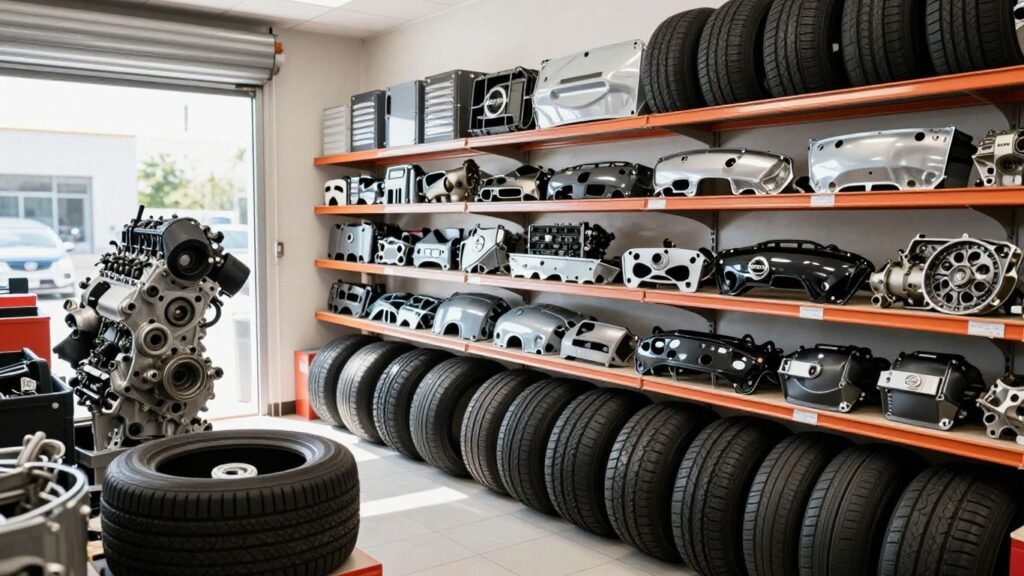
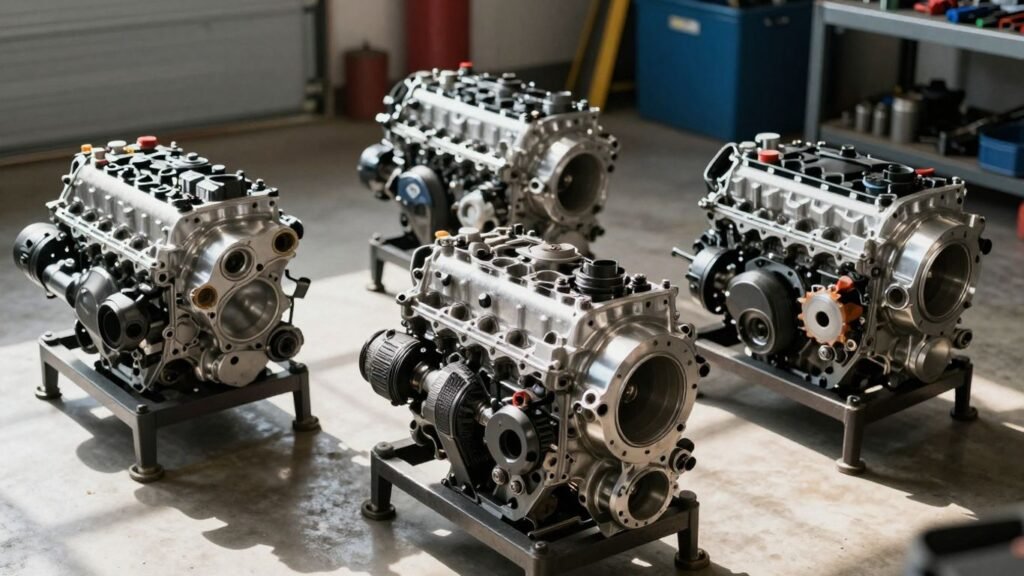
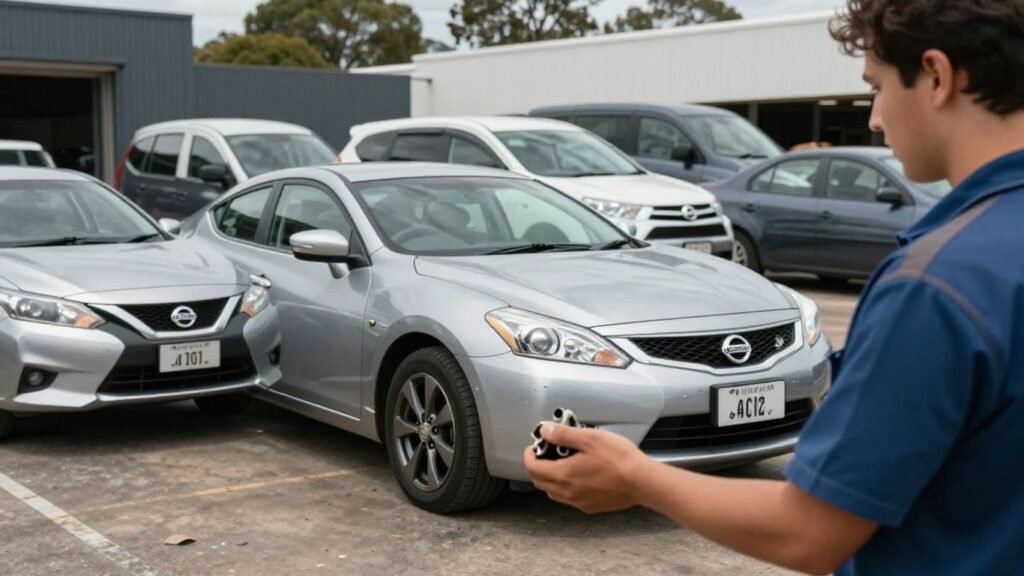
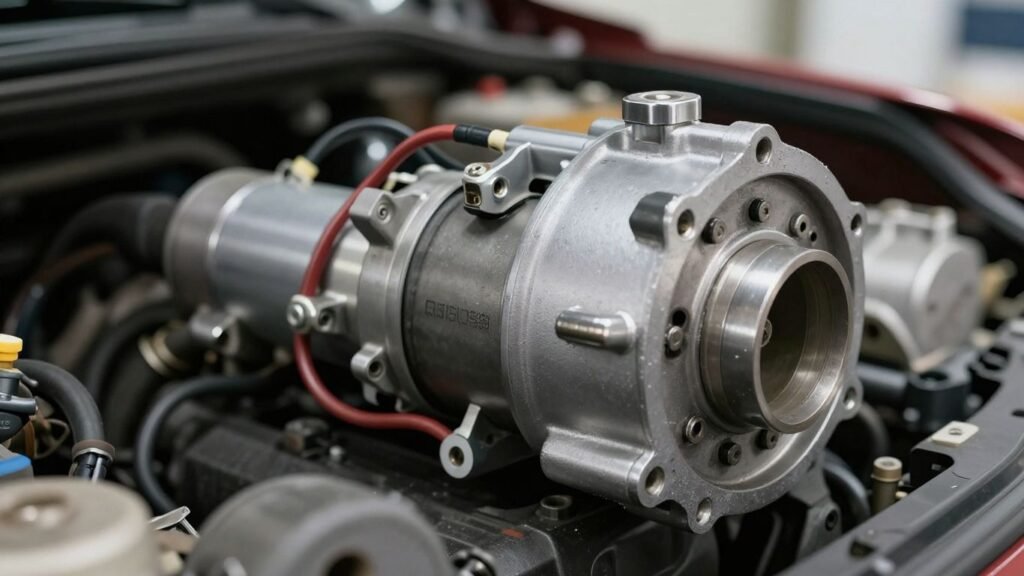
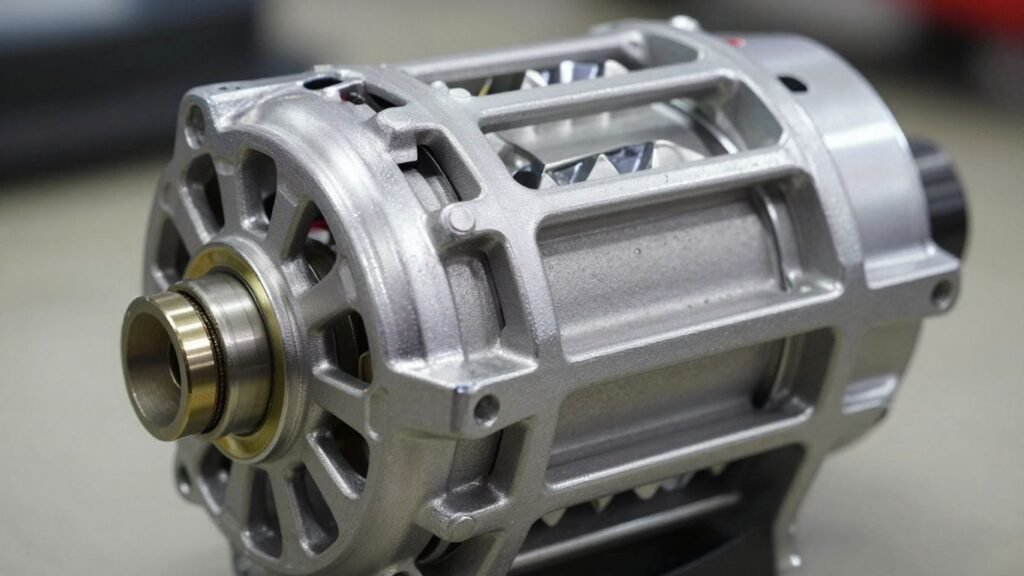
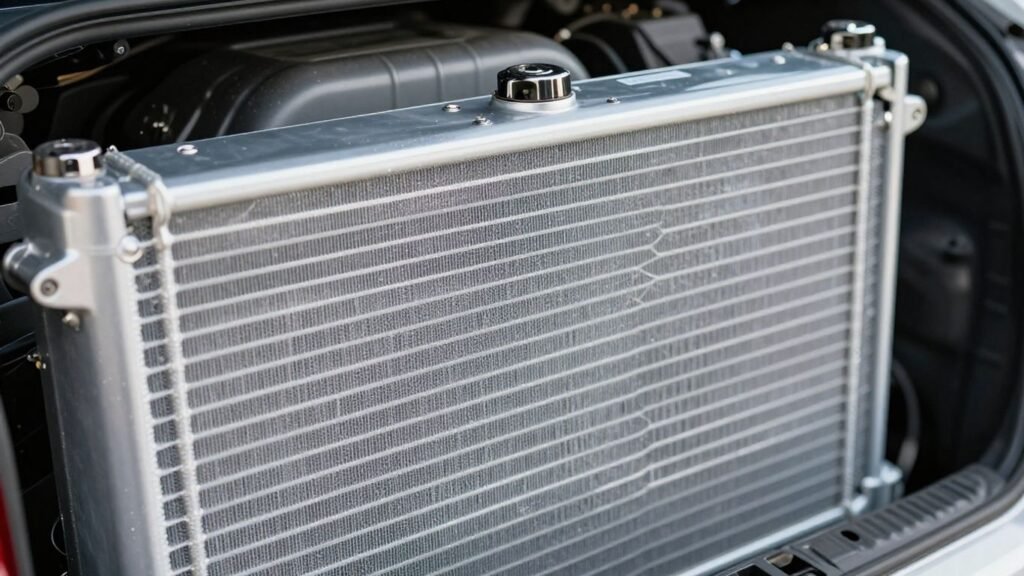
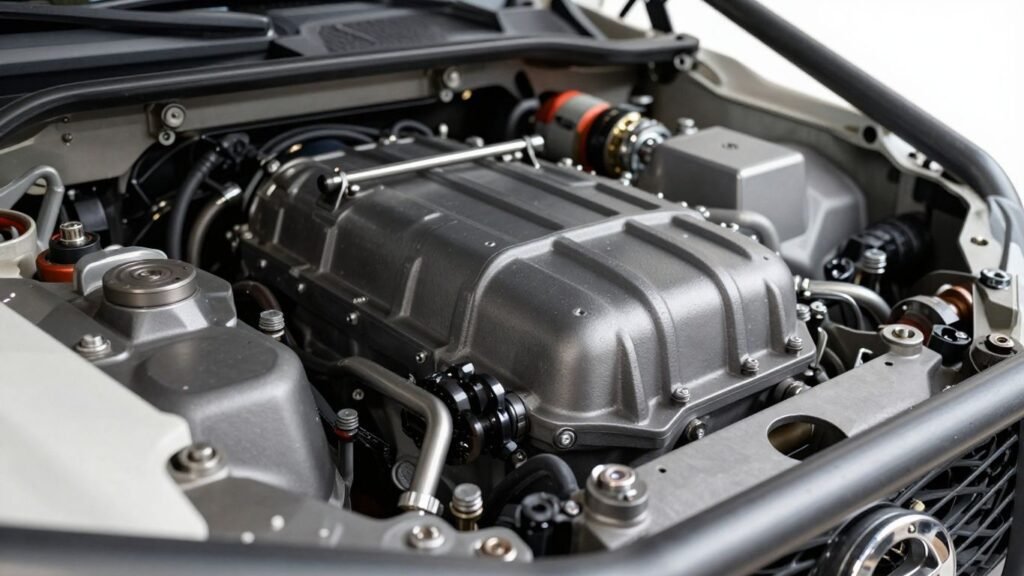
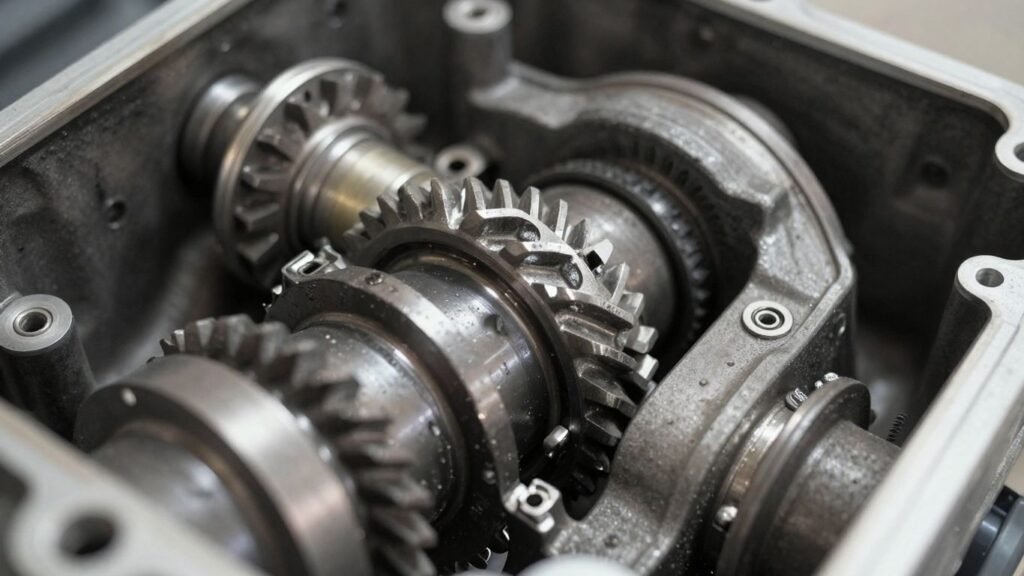
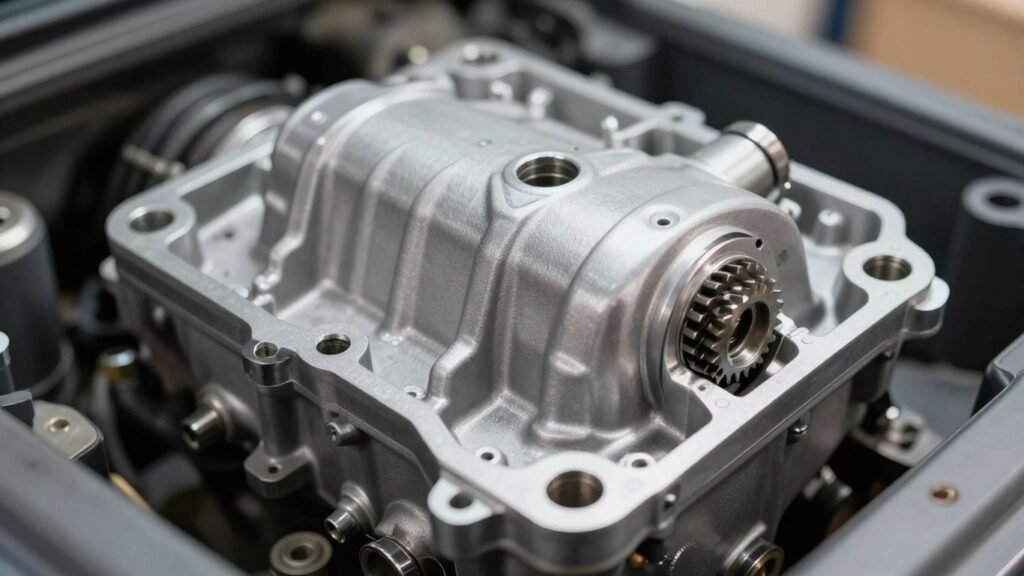
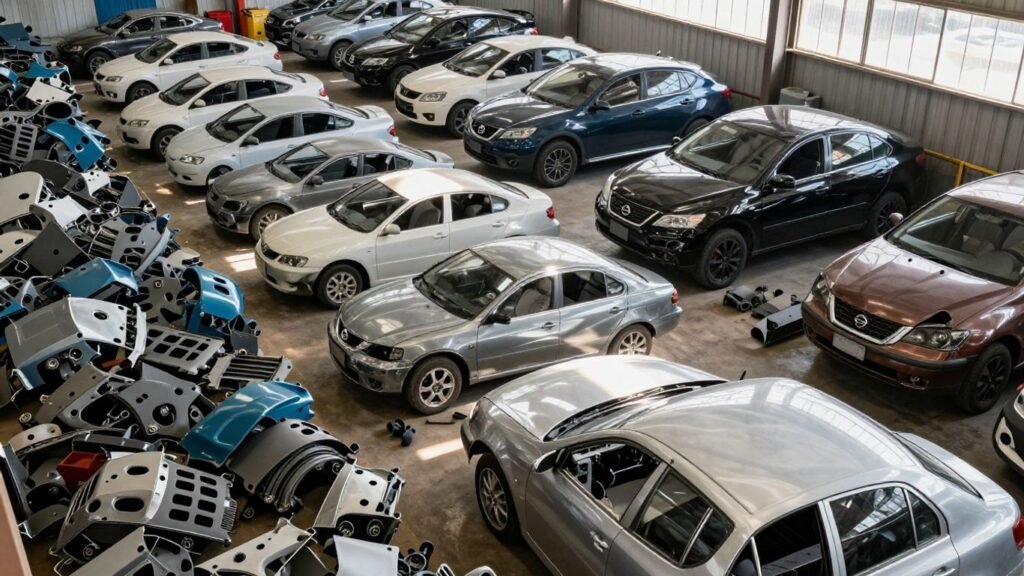
So, your Nissan needs a little TLC, huh? Maybe it’s making a funny noise, or perhaps a part just gave up the ghost. If you’re in Perth and looking to get your car back on the road without emptying your wallet, you’ve probably thought about used parts. It’s a smart move, really. You can find some great quality bits and pieces from Nissan wreckers Perth, and it’s way better for the planet too. Let’s talk about how to find the right place and what to look out for. Key Takeaways Choosing used Nissan parts in Perth can save you a lot of money compared to buying new. Reputable Nissan wreckers Perth test their parts, so you know you’re getting something reliable. You can find a huge variety of parts for many Nissan models from Perth wreckers. Using recycled Nissan parts is a good way to help the environment by reducing waste. Nissan wreckers Perth can often help you find even hard-to-get parts for your car. Finding Quality Nissan Wreckers In Perth Why Choose Used Nissan Parts When your Nissan needs a replacement part, you’ve got a couple of main roads you can go down: brand new or used. Buying new parts can really put a dent in your wallet, especially if you’re driving a model that’s a bit older or if the part you need is a major component. Used parts, on the other hand, offer a way to keep your car running without breaking the bank. It’s a smart move for budget-conscious owners who still want reliable components. Think about it – you can often get a perfectly good engine part, a body panel, or even a transmission for a fraction of the new price. This makes maintaining your Nissan much more manageable, letting you keep it on the road longer. Benefits of Reputable Nissan Wreckers So, you’ve decided used parts are the way to go. Now, where do you find them? That’s where reputable Nissan wreckers in Perth come in. These aren’t just random places; they’re businesses that specialize in dismantling vehicles, carefully salvaging usable parts, and making them available to you. A good wrecker will have a wide selection of parts for various Nissan models, from common sedans to rugged SUVs. They know their stuff, too. They can often help you pinpoint exactly what you need, saving you time and frustration. Dealing with a wrecking yard that has a good reputation means you’re more likely to get parts that have been checked over. They’re not just pulling things off cars and tossing them in a pile. There’s usually a process to make sure what they sell you is actually going to work. Identifying Genuine Nissan Components When you’re looking for used parts, it’s always best to aim for genuine Nissan components if possible. These are parts that were originally made for your specific Nissan model. How can you tell? Often, genuine parts will have Nissan branding or part numbers stamped on them. Reputable wreckers will be able to tell you if a part is genuine or an aftermarket equivalent. While aftermarket parts can sometimes be a good option, genuine parts are usually designed to fit and perform exactly as the original did. Don’t be afraid to ask the wrecking yard staff about the origin of the part – they should be happy to provide that information. Extensive Range Of Nissan Parts Available Popular Nissan Models Stocked When you’re looking for parts for your Nissan in Perth, you’ll be glad to know that wreckers typically stock components for a wide variety of models. Whether you drive a rugged Navara, a family-friendly X-Trail, a sporty 350Z, or even an electric Leaf, chances are good that the parts you need are readily available. This extensive stock covers everything from common sedans like the Altima and Pulsar to SUVs like the Qashqai and Pathfinder, and even vans like the Elgrand. It’s this broad coverage that makes Nissan wreckers such a go-to for many car owners. Types Of Nissan Auto Parts Nissan wreckers in Perth have a huge inventory of parts. You can find pretty much anything you need to get your car back in shape. This includes mechanical bits like engines and transmissions, of course, but also all the exterior stuff – doors, bumpers, bonnets, and lights. Need something for the inside? They’ve got seats, dashboards, and all the trim pieces too. Suspension parts, brake components, and even electrical systems are usually on hand. It’s a treasure trove for anyone needing to replace a specific component. Engines, Transmissions, And Body Panels When it comes to the big-ticket items, Nissan wreckers are well-equipped. Engines and transmissions are a major focus, often tested to ensure they’re in good working order before being put up for sale. Similarly, body panels like doors, guards, and bonnets are usually available, often in various colours, which can save you a lot on repainting. These larger parts are essential for restoring a vehicle’s structural integrity and appearance, and wreckers make them accessible. Finding the right part can sometimes feel like a puzzle, but with the sheer volume of vehicles being dismantled, the odds are stacked in your favour. It’s about connecting the right car with the right part, and Perth’s Nissan wreckers are set up to do just that. Ensuring Reliability Of Used Nissan Parts When you’re looking for used parts for your Nissan, you want to know they’re going to work. Nobody wants to buy a part only to find out it’s faulty a week later. That’s where reputable wreckers really make a difference. They understand that their reputation depends on the quality of the parts they sell. Testing And Inspection Processes Good wreckers don’t just pull a part off a car and stick it on the shelf. They have processes in place to check things over. This usually involves a visual inspection to spot any obvious damage, like cracks or significant wear. Then, they might do some basic functional tests. For example, an alternator might