Your Essential Nissan Car Maintenance Checklist for 2025: Stay Ahead of Service
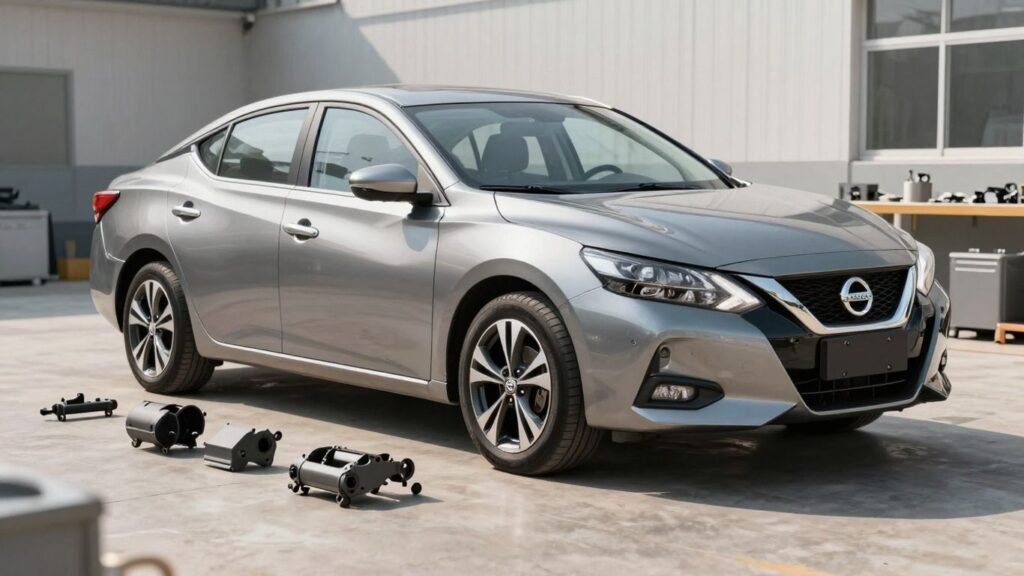
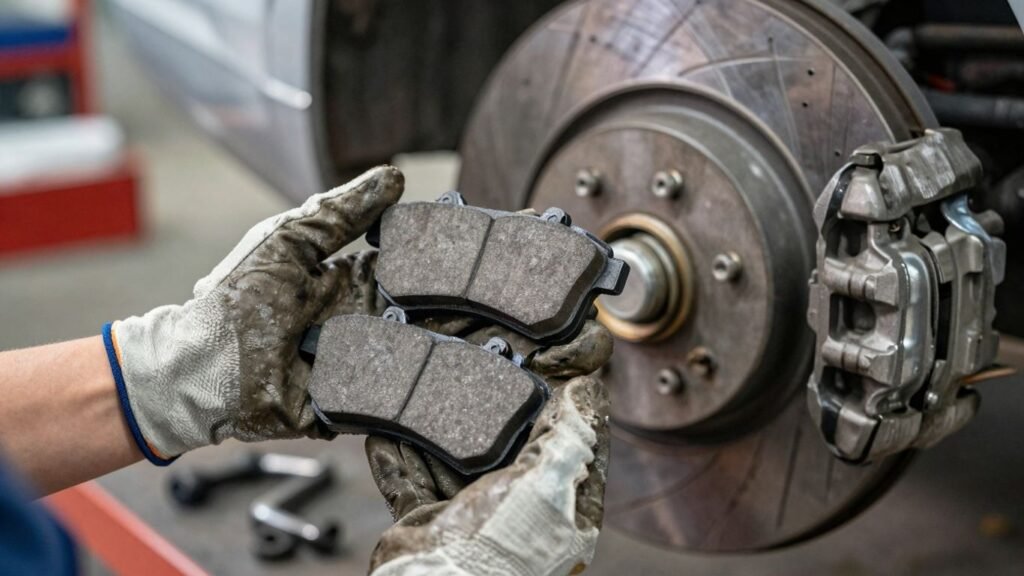
Keeping your Nissan running well means staying on top of its service schedule. Think of it like going to the doctor for a check-up – it catches little things before they become big headaches. For your 2025 Nissan, whether it’s a car like the Sentra or Altima, or a truck like the Frontier, following a maintenance plan is key. This guide breaks down what you need to know about the Nissan car maintenance checklist for 2025, so you can keep your ride in great shape for years to come. Key Takeaways Regular service for your Nissan is important to make sure it lasts a long time and runs well. Following a maintenance schedule helps catch small problems before they turn into expensive repairs. Different Nissan models might have slightly different service needs, so check your owner’s manual. Key service points happen at mileage markers like 10,000, 15,000, 30,000, 60,000, and 90,000 miles. Don’t forget to keep track of your service history using a logbook or reminders. Understanding Your Nissan Car Maintenance Checklist for 2025 The Importance of Regular Service for Nissan Longevity Keeping your Nissan running well for years to come really comes down to one thing: regular check-ups. Think of it like going to the doctor for a yearly physical. You might feel fine, but the doctor can spot little things before they become big problems. Your car is no different. Sticking to a maintenance schedule helps catch issues early, which can save you a lot of headaches and money down the road. A well-maintained Nissan is a reliable Nissan. It means fewer unexpected breakdowns and a smoother driving experience, whether you’re just running errands or heading out on a road trip. Preventing Small Issues From Becoming Major Problems It’s easy to put off that oil change or ignore a strange noise. But those small things can snowball. For instance, old oil doesn’t lubricate your engine as well, leading to more wear and tear. A worn belt could snap, leaving you stranded. Regular service intervals are designed to address these potential problems before they get serious. For example, at certain mileage points, your Nissan might need its brake fluid checked or replaced. If you skip that, your brakes might not work as well when you really need them. It’s all about proactive care. Tailoring Maintenance to Your Specific Nissan Model While Nissan has general guidelines for all its vehicles, your specific model might have a few unique needs. A sporty sedan like the Altima might have different requirements than a rugged Frontier truck. The owner’s manual is your best friend here; it lays out exactly what your car needs and when. Knowing your model’s specific maintenance schedule, like when to check the transmission fluid or replace spark plugs, helps keep it performing at its best. It’s not a one-size-fits-all situation, so paying attention to your model’s particular needs makes a big difference. Keeping up with your Nissan’s service schedule isn’t just about following rules; it’s about protecting your investment and ensuring your car remains a dependable part of your life for as long as possible. Small actions now prevent big headaches later. Key Service Milestones for Your 2025 Nissan Your Nissan is built to last, but like any machine, it needs regular care to keep running smoothly for years to come. Staying on top of your vehicle’s maintenance schedule is key to keeping it in top shape. The manufacturer provides a simple mileage checklist to guide you through important service points. These intervals help ensure that your vehicle stays in good condition. The 10,000-Mile Initial Maintenance By the time your Nissan reaches 10,000 miles, it’s due for its first service. This initial round of maintenance is pretty straightforward but important for long-term vehicle performance. It typically includes: Service Item Tire Rotation Air Filter Replacement Oil Change Parts Inspection Neglecting this first service can lead to more costly repairs and reduced vehicle efficiency down the road. Taking advantage of this service can also help you benefit from warranty coverage. This early attention sets the tone for future services and helps prevent small issues from becoming bigger problems. The 15,000-Mile First Major Checkup When your Nissan hits the 15,000-mile mark, it’s time for a bit more attention to keep it in prime condition. This is one of the first major milestones in your car’s service schedule. For models like the 2025 Nissan Sentra, Altima, or Frontier, taking care of your vehicle now helps prevent minor issues from turning into major ones later. Here’s what you can generally expect: Oil and Filter Change: Essential for keeping the engine lubricated. Air Filter Replacement: Helps the engine get proper airflow, improving fuel economy. Brake Fluid Check: Ensures your brakes are working efficiently and safely. Washer Fluid Refill: Keeps your windshield clear for better visibility. This is also a good time to have the overall health of your car’s key systems, including brakes and tires, checked. The 30,000-Mile Deeper Dive Into Vehicle Health When your Nissan reaches 30,000 miles, it’s time for a more thorough checkup. By this point, your vehicle might be showing some signs of wear, and addressing these early can help avoid expensive repairs later. This service goes beyond the basics and includes several key maintenance tasks to help your Nissan perform at its best. Tasks at this milestone build on the 15,000-mile service but also introduce important new checks and fluid replacements. Your mechanic will also check for wear in belts, hoses, and valves. Addressing these smaller components now can prevent bigger problems in the future. The 30,000-mile service plays a significant role in the long-term health of your vehicle. Essential Checks at Higher Mileage Intervals The 60,000-Mile Service for Optimal Performance Reaching 60,000 miles means your Nissan is well into its service life, and this milestone service is all about keeping it running at its best. Think of it as a tune-up for a seasoned traveler. This is a good time to swap out the transmission fluid and filter,