
Key Takeaways
A careful approach makes it easier to find suitable used Nissan Patrol parts or arrange a fair vehicle assessment in Sunshine and Melbourne.
- Give clear vehicle and part details when requesting a quote.
- Match replacement parts by year, trim, drivetrain, and specification.
- Check condition, testing, warranty, and return terms before buying.
- Confirm stock and collection or delivery arrangements in advance.
- Compare a wrecking offer with the effort and cost of a private sale.
How Nissan Patrol wreckers in Sunshine Melbourne can help
Nissan Patrol wreckers can be a practical first stop when a repair needs an older, discontinued, or more affordable component. A dismantler may have parts from vehicles in different conditions and model years, so the key is to describe your Patrol accurately. Local access can also make collection, inspection, and communication simpler. Whether you are repairing a daily driver or maintaining a touring 4WD, a measured search usually saves time.
Parts available for different Nissan Patrol generations
Patrol parts can vary considerably between generations, engine choices, body styles, transmissions, and market specifications. A part that looks similar may have different mounting points, connectors, dimensions, or gearing. Give the wrecker the model year, body type, engine, transmission, and any relevant trim information before assuming a match. Photographs of the existing component can help clarify what is needed.
Older vehicles may have fewer complete assemblies available, while later models can have more electronic modules and specification differences. It is useful to ask whether the quoted item is complete, removed from a running vehicle, tested, or sold as-is. That distinction affects both the price and the work required after purchase.
When used, recycled, and genuine parts make sense
Used parts can suit repairs where a serviceable replacement is more sensible than buying a new assembly. Recycled components may also preserve original fitment and finish, particularly for body, interior, or mechanical items that are difficult to source. Genuine parts can be preferable when exact specification, factory design, or a safety-critical application makes compatibility especially important.
The right choice depends on the component, its condition, and the consequences of failure. For brakes, steering, suspension, and other safety-related systems, have the part assessed and installed by a qualified professional. For cosmetic trim or a non-critical interior fitting, a clean used part may be a straightforward and economical answer.
Benefits of choosing a local dismantler
A local dismantler in Sunshine can reduce the uncertainty that comes with ordering a bulky or poorly matched part from far away. You may be able to discuss the vehicle directly, send photographs, arrange a yard inspection, or collect the item without waiting for long-distance freight. Local knowledge can also help identify practical questions about fitment and transport.
That convenience does not remove the need for basic checks. Ask whether the item is physically in stock, where it is located, how it will be packaged, and whether collection requires an appointment. Clear arrangements make a local purchase much less frustrating.
How wreckers support repairs, restorations, and 4WD upgrades
A dismantler can support a repair by supplying a complete assembly, a smaller replacement component, or matching hardware that is easy to overlook. Restorations may benefit from original interior pieces, exterior trim, brackets, and panels that retain the vehicle’s period appearance. Owners preparing a 4WD for touring can also search for serviceable standard components before considering more expensive alternatives.
The most useful conversation starts with the job rather than a part number alone. Explain what has failed, what has already been replaced, and whether the vehicle is standard or modified. That context helps the seller identify possible compatibility issues before money changes hands.
How to request a free quote for your Nissan Patrol
A free quote is only as useful as the information behind it. Start with a short, accurate description of the Patrol and the outcome you want: a replacement part, a vehicle purchase, dismantling, or removal. Include photographs when possible, especially if the vehicle is damaged or the part is difficult to identify. The phrase “Nissan Patrol wreckers Sunshine Melbourne – free quotes” is useful when searching, but the quality of the response depends on the details you provide.
Information to provide about your vehicle
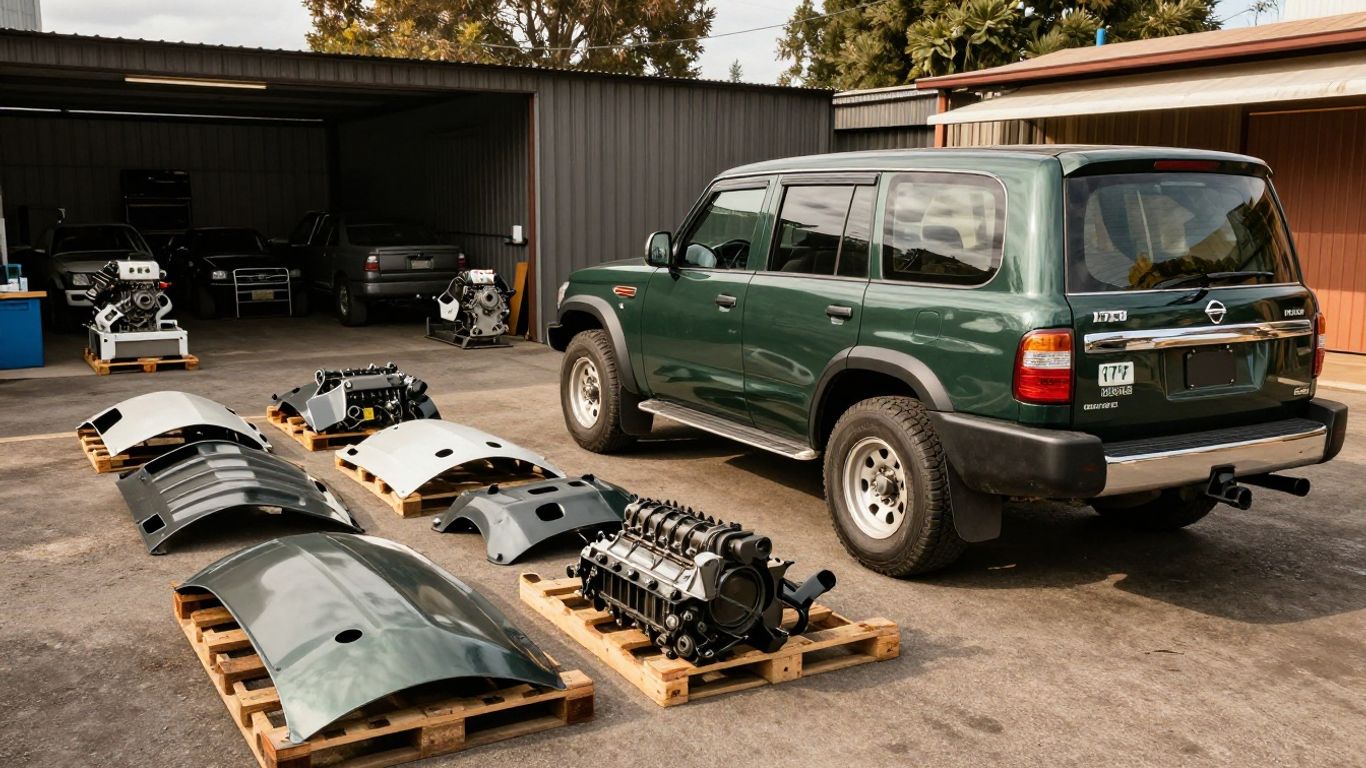
For a vehicle quote, provide the model year, body style, engine type, transmission, registration details if relevant, and the vehicle’s location. Explain whether it starts and moves, has accident damage, is complete, or has already been stripped of parts. A few clear photographs of the exterior, engine bay, interior, and damage can prevent an inaccurate initial estimate.
Be candid about missing keys, mechanical faults, warning lights, water damage, or registration status. The more complete the description, the less likely the valuation is to change after inspection or collection. It also helps the wrecker decide what equipment may be needed to move a non-running Patrol.
Details needed for an accurate parts quote
A parts request should identify the exact component and its position on the vehicle. Say whether you need the complete assembly or only a smaller piece, and mention any visible damage or symptoms. For electrical parts, include connector photographs and part numbers where available; for body parts, specify color, side, doors, and whether attached hardware is required.
Ask whether the quote includes taxes, freight, packaging, or collection charges. Confirm whether the price is for a tested item, an untested item, or a component with a stated condition. Those details make two quotes easier to compare fairly.
Why the vehicle identification number matters
The vehicle identification number can help distinguish closely related specifications that share a model name but use different components. It may support a more precise check of production details, drivetrain configuration, and factory equipment. Provide it through an appropriate channel and avoid assuming that a visual resemblance proves compatibility.
VIN information is not a substitute for checking the physical part. Connectors, brackets, dimensions, and later modifications can still affect installation. Use the VIN as one part of the identification process, then verify the component with photographs or measurements.
Comparing quotes for price, condition, and availability
The lowest figure is not always the least expensive option once freight, missing hardware, or extra labor is considered. Compare the item’s condition, mileage if known, testing status, warranty, return terms, and expected dispatch time. A clear quote is worth comparing because it tells you what you are actually buying.
A simple comparison can keep the decision grounded in practical value rather than headline price. Ask each seller the same essential questions and record the answers. If one quote is vague, request clarification before treating it as equivalent to a detailed offer.
| Quote detail | Why it matters |
|---|---|
| Part identity | Confirms that the item is the component you need |
| Condition | Indicates likely preparation and remaining service life |
| Testing status | Shows whether operation has been checked |
| Warranty or returns | Defines what happens if the part is unsuitable |
This information gives a more realistic view of value. It also exposes gaps that may otherwise become costly after delivery.
Finding the right Nissan Patrol replacement parts
Finding a replacement part involves more than searching for the words “Nissan Patrol.” Variations in year, engine, body, trim, and drivetrain can change the correct component. Begin with the original part number or a clear photograph, then confirm the vehicle specification with the seller. If the vehicle has modifications, mention them early.
Commonly requested engine and drivetrain components
Engine and drivetrain requests often involve starters, alternators, intake components, fuel-system parts, cooling components, gearboxes, transfer cases, differentials, driveshafts, and related hardware. These assemblies can differ by engine and transmission combination, so a model name alone may not be enough. Ask whether the quoted part includes sensors, brackets, wiring, mounts, or other attached pieces.
For major mechanical assemblies, ask about donor-vehicle mileage if known and the circumstances in which the component was removed. You should also confirm whether fluids have been drained and whether professional inspection or installation is recommended. A used assembly may be useful, but its history should be understood as far as possible.
Body panels, doors, mirrors, and exterior trim
Body parts are usually easier to identify by location, side, shape, and finish, but small differences still matter. A door may be sold with or without glass, regulators, locks, mirrors, handles, or interior trim. Similarly, a panel’s color may appear close in photographs while differing in daylight.
Ask for photographs of edges, mounting points, paintwork, and dents rather than relying on one front-facing image. If a perfect color match is not available, a straight panel may still be suitable for repainting. Confirm what is included before arranging transport.
Interior, electrical, and climate-control parts
Interior and electrical components can be particularly sensitive to trim level and wiring configuration. Seats, instrument clusters, switches, audio units, control modules, fans, compressors, and dashboard pieces may look alike while using different connectors or software. Share photographs of plugs, labels, and surrounding fittings when requesting a quote.
Climate-control parts also need careful identification because a fault may involve the control, motor, resistor, compressor, condenser, or wiring rather than the visible symptom. Ask the seller what was tested and whether the component is supplied with the necessary fittings. A qualified technician can help confirm the fault before you order.
Suspension, steering, braking, and 4WD components
Suspension, steering, braking, and 4WD parts deserve extra care because incorrect fitment can affect safety and handling. Confirm whether the part is standard or modified and whether it belongs to the correct axle, side, or drivetrain configuration. Components with cracks, severe corrosion, bent mounting points, or uncertain history should not be accepted without suitable professional assessment.
For these systems, ask about inspection, condition, and installation requirements. A used part can be a sensible option in some repairs, but the decision should be based on verified suitability rather than price alone. When in doubt, have the replacement and the original compared by a qualified mechanic.
Checking used Nissan Patrol parts before buying
A used part should be treated as a component with a history, not as an automatically equivalent replacement. Ask what is known about its donor vehicle, how it was stored, and whether it was tested before removal. For cosmetic parts, condition is easy to see; for mechanical and electrical parts, documentation and return terms become more important. A few minutes of checking can avoid an expensive mismatch.
Matching parts by model year and specification
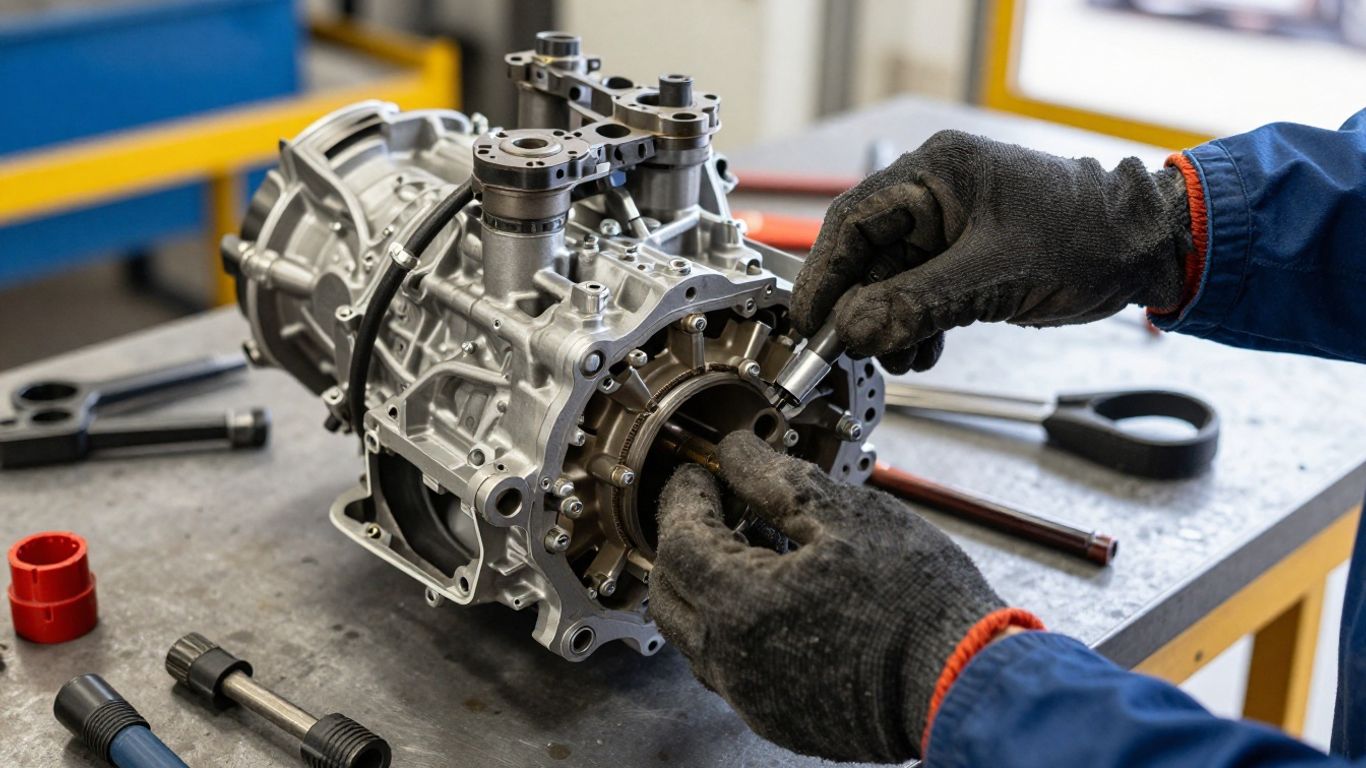
Start by confirming the model year, engine, transmission, body style, and trim of both the donor and your Patrol. Check part numbers, connector layouts, mounting points, and dimensions where relevant. Even within one generation, factory changes or equipment packages can produce differences that are not obvious from a listing title.
If the seller cannot confirm the exact specification, send additional photographs and ask for measurements. Do not rely solely on statements such as “fits Patrol” when the vehicle has multiple variants. Written confirmation is useful if a return or exchange later becomes necessary.
Assessing wear, damage, and reconditioning
Inspect castings, housings, seals, threads, mounts, clips, paint, and electrical connectors according to the type of part. Look for impact marks, corrosion, oil contamination, cracks, missing fasteners, or repairs that may affect serviceability. Reconditioned parts should be described clearly so you know what work has been completed.
The seller should be able to explain any visible defect and distinguish normal used wear from a fault. If the part is large or difficult to inspect, request detailed photographs before payment. These checks do not guarantee future performance, but they make the purchase more informed.
Confirming compatibility with your existing components
Compatibility can depend on the surrounding components, not just the replacement itself. A gearbox, differential, electronic module, or suspension item may require matching hardware, ratios, programming, or related fittings. Explain what remains on the vehicle and whether another owner or workshop has already modified it.
Compare the replacement with your original part before installation where possible. Check connectors, bolt patterns, hose positions, sensor locations, and dimensions. If the two parts differ, stop and seek advice rather than forcing a component into place.
Asking about testing, warranties, and return policies
Before buying, ask what was tested, when it was tested, and whether the test applies to the complete assembly or only part of it. Clarify the warranty period, exclusions, return window, restocking conditions, and who pays return freight. For electrical or coded items, ask whether additional programming may be required.
Keep the quote, photographs, messages, and payment record together. A clear written trail helps if the delivered part differs from the agreed description. It also makes it easier to explain the issue accurately if you need support.
A suitable used part is defined by verified fitment and condition, not by appearance alone.
Use that principle when deciding whether to proceed. If the seller cannot answer basic questions about identity, condition, or returns, pause the purchase and seek better information.
Buying and collecting Nissan Patrol parts in Melbourne
Buying locally can be convenient, but practical planning still matters. Large panels, engines, transmissions, and axles need suitable packaging and transport, while fragile trim and electrical parts need protection from impact and moisture. Confirm the arrangements before leaving home. This is especially helpful when traveling across Melbourne for a part that may sell quickly.
Confirming stock before visiting the yard
Call or message before visiting and ask whether the exact part is physically available, not merely listed in an inventory system. Confirm the condition, included hardware, price, and collection times. If you need to inspect the item, ask whether it can be held briefly while the details are checked.
Bring the vehicle information and photographs with you. A second look at the original component can also reveal a connector, bracket, or mounting detail that was missed during the first search. Confirming stock saves a wasted trip.
Delivery options across Sunshine and Melbourne
Discuss delivery location, freight timing, packaging, and whether the carrier can handle the item’s weight and dimensions. Engines and transmissions may require pallet freight or specialized handling, while smaller items can often be packed separately. Ask whether delivery is to the curb, a business, or another accessible location.
Inspect the packaging when it arrives and photograph any visible damage before opening it. If the part is damaged in transit, contact the seller and carrier promptly. Keep all packaging until the issue is resolved.
Safe handling of large or heavy components
Do not plan to lift an engine, gearbox, differential, or bulky panel without the correct equipment and enough people. Use suitable lifting points, secure the load, and protect sharp edges and painted surfaces. A component that shifts during transport can damage both the part and the vehicle carrying it.
If you do not have a hoist, engine crane, trolley, or proper tie-downs, arrange professional transport or workshop delivery. The small saving from an improvised collection is rarely worth an injury or damaged component. Confirm the seller’s loading requirements in advance.
What to bring when collecting parts in person
Bring identification, the purchase confirmation, suitable payment, and the vehicle details used for the quote. For small parts, take padding, boxes, straps, and protective coverings; for body panels, use blankets and a vehicle large enough to prevent bending. If collecting a mechanical assembly, bring an appropriate trolley or arrange loading assistance.
Check the part against the description before leaving. Look at the included hardware, labels, connectors, and visible condition. Raise discrepancies immediately, while the seller can still compare the item with the original quote.
Selling or dismantling an unwanted Nissan Patrol
An unwanted Patrol may still have value as a complete vehicle, a source of parts, or scrap, depending on its condition and specification. Wreckers generally need enough information to judge recovery, dismantling, and resale potential. The vehicle’s location and ability to roll or start can affect the practical arrangement. A clear description makes the initial conversation more productive.
How wreckers assess a complete or damaged vehicle
Assessment may consider the model, year, engine, transmission, completeness, body damage, mechanical condition, tires, interior, and demand for usable components. A vehicle with a damaged exterior may still contain valuable mechanical or interior parts, while a stripped or heavily corroded Patrol may be assessed differently. Photographs help establish the starting point but may not replace an inspection.
Describe the damage honestly, including whether it affects the chassis, suspension, wheels, or airbags. Mention missing parts and any known mechanical fault. This prevents avoidable changes to the offer when the vehicle is collected.
Documents and ownership details you may need
Have proof of identity and ownership information available, along with registration or purchase records where relevant. Requirements can vary according to the vehicle’s status and the transaction, so ask what documents are needed before agreeing to removal. If the Patrol is jointly owned, financed, or part of an estate, resolve those details first.
Remove personal items and retain important paperwork unless the buyer specifically needs a copy. Keep a written record of the agreed price, collection details, and any included keys or accessories. Good documentation protects both sides of the transaction.
Preparing a written-off, non-running, or accident-damaged Patrol
Tell the wrecker whether the Patrol rolls, steers, brakes, starts, or has accessible wheels. Note hazards such as leaking fluids, damaged glass, unstable panels, or a vehicle located in a confined driveway. Clear access and accurate information allow the removal plan to be prepared safely.
Do not attempt risky repairs merely to improve a removal quote. Instead, gather keys, remove personal property, and photograph the vehicle from several angles. If the vehicle is unsafe to approach, say so before anyone attends the site.
Comparing cash offers with private-sale options
A private sale may produce a different price, but it can require advertising, answering messages, arranging inspections, negotiating, and managing paperwork. A wrecker offer may be more convenient when the Patrol is damaged, incomplete, unregistered, or unable to run. Compare the likely net return after towing, repairs, listing costs, and your time.
Ask whether the offer includes removal and whether any charges could be deducted later. Consider how quickly you need the vehicle gone and whether you are prepared to wait for a buyer. The best option is the one that fits both the vehicle’s condition and your practical priorities.
Choosing a reliable Nissan Patrol wrecker
A reliable wrecker should communicate clearly about what it can supply, buy, inspect, or arrange. You should be able to obtain a description of the part or vehicle, a price basis, and the relevant collection or delivery terms. Be cautious when important details are left vague until after payment. Professional communication is often visible before the transaction begins.
Signs of transparent pricing and clear communication
A transparent quote identifies the vehicle or component, its condition, what is included, and any freight or removal charges. It should also explain whether the price is an estimate subject to inspection or a confirmed amount. If the answer changes, the reason should be stated plainly rather than hidden in general wording.
Ask questions in writing when possible and read the reply carefully. A seller who addresses the actual question, acknowledges uncertainty, and gives practical next steps is easier to work with than one who only repeats a headline price.
Questions to ask about part quality and fitment
Ask for the donor model and year, part number, condition, testing status, included accessories, and known faults. Confirm whether the seller has checked compatibility with your specification and whether professional installation is recommended. For modified vehicles, explain the modification instead of assuming standard fitment.
Also ask about warranty coverage and returns before paying. These questions are not excessive; they define the purchase and help both parties avoid an avoidable mismatch.
Checking customer reviews and business details
Reviews can reveal patterns in communication, dispatch, item accuracy, and how problems are handled. Read several recent comments rather than relying on a single glowing or critical account. Check that the business has consistent contact details and a clear operating location or service area.
Reviews are only one part of due diligence. Compare them with the seller’s written quote, answers to technical questions, and willingness to provide condition photographs. Consistency across those sources is more useful than a star rating alone.
When local expertise matters for Nissan 4WDs
Local expertise is valuable when a Patrol has regional specification differences, prior modifications, or a complex 4WD drivetrain. A seller familiar with the model can ask better follow-up questions about axles, transfer cases, electrical systems, body variants, and suspension changes. That does not replace a mechanic’s inspection, but it can narrow the search.
Choose a wrecker that is prepared to verify rather than guess. The most dependable process is straightforward: identify the vehicle, confirm the part, document its condition, and agree on the terms before collection or delivery.
Conclusion
Finding quality used Nissan Patrol parts in Sunshine or elsewhere in Melbourne is mainly a matter of careful identification and clear communication. Provide accurate vehicle details, compare complete quotes, inspect condition, and confirm fitment before buying or selling. With those steps, a wrecker can become a practical source of replacement parts or a straightforward way to move on an unwanted Patrol.