
Key Takeaways
Choosing a replacement engine is less about finding the cheapest listing and more about matching the right specification, condition, and installation plan.
- Confirm the Navara generation, model year, engine code, and displacement before requesting a quote.
- Ask for mileage, service history, inspection details, and clear warranty terms.
- Compare the complete replacement cost, including labor, fluids, diagnostics, and related parts.
- Have supporting systems, electronics, and wiring checked by a qualified technician.
- Keep installation and servicing records so warranty questions are easier to resolve.
Identify the right Nissan Navara engine for your vehicle
A Nissan Navara replacement engine must match more than the badge on the tailgate. Different generations and model years can use different engine families, fuel systems, electronics, and mounting arrangements. Before you search for Used Nissan Navara engines Melbourne Victoria, gather the vehicle identification number, registration details, and current engine information.
Match the engine to the Navara generation and model year
Start with the Navara generation, model year, body style, and drivetrain. A D22, D40, or NP300 may require a different engine even when the advertised displacement looks similar. The build plate and vehicle identification number give a supplier a better starting point than a general description such as “2.5 diesel.”
Ask the supplier to confirm whether the replacement is intended for your exact model year and market. Small changes during a model run can affect sensors, accessories, manifolds, and control modules, so a visual resemblance is not enough.
Confirm the engine code and displacement
The engine code is one of the most useful identifiers in a replacement search. Confirm it from the original engine, service records, or a reliable parts lookup, then compare it with the code on the proposed unit. Displacement alone does not establish compatibility.
Also ask whether the quoted unit is a complete engine, a long motor, or a bare assembly. The included accessories can vary, and that difference affects both the price and the amount of work required before installation.
Compare diesel and petrol engine variations
Petrol and diesel Navaras differ in fuel delivery, intake and exhaust equipment, sensors, and engine management. Even within one fuel type, turbocharging and emissions equipment may vary by generation. Treat “petrol” or “diesel” as a starting point, not a final specification.
Give the supplier the fuel type and engine code together. That simple cross-check can prevent an unsuitable unit from being ordered and helps the workshop plan which original components may need to be transferred.
Check compatibility with the transmission and electronics
The engine must work with the vehicle’s transmission, ECU, immobilizer, wiring, and accessory layout. Automatic and manual applications can use different sensors, flexplates, flywheels, or calibration requirements. Compatibility needs written confirmation before money changes hands.
Ask what is included with the engine and what will be reused from your vehicle. A replacement that fits physically may still require additional electrical work or programming, so include those possibilities in the quote rather than treating them as surprises.
Understand the condition of a used replacement engine
A used engine is a component with a history, not an anonymous box of parts. Mileage, donor-vehicle information, storage conditions, inspection procedures, and warranty coverage all help establish how much risk you are taking. The most useful questions are specific and easy for a reputable supplier to answer.
Review mileage, service history, and vehicle origin
Ask for the recorded mileage and, where available, the source vehicle’s year, model, and reason for dismantling. A written record is more useful than a vague statement that the engine is “low kilometre.” Service history can also reveal whether the donor vehicle received regular oil changes or had a known mechanical issue.
Mileage should be considered alongside age and origin. An engine that has sat unused for a long period may need different checks from one recently removed from a running vehicle, and neither description should replace an inspection.
Ask whether the engine has been inspected or tested
Find out what the supplier means by tested or inspected. Useful details may include visual inspection, compression testing, oil-pressure checks, leak checks, or confirmation that the engine ran before removal. Ask for the result or a clear description of the process rather than relying on a label.
If the engine cannot be demonstrated running, ask how the warranty handles undiscovered faults. A supplier that explains its inspection scope and exclusions gives your mechanic a clearer basis for accepting the unit.
Look for signs of overheating, oil contamination, or internal wear
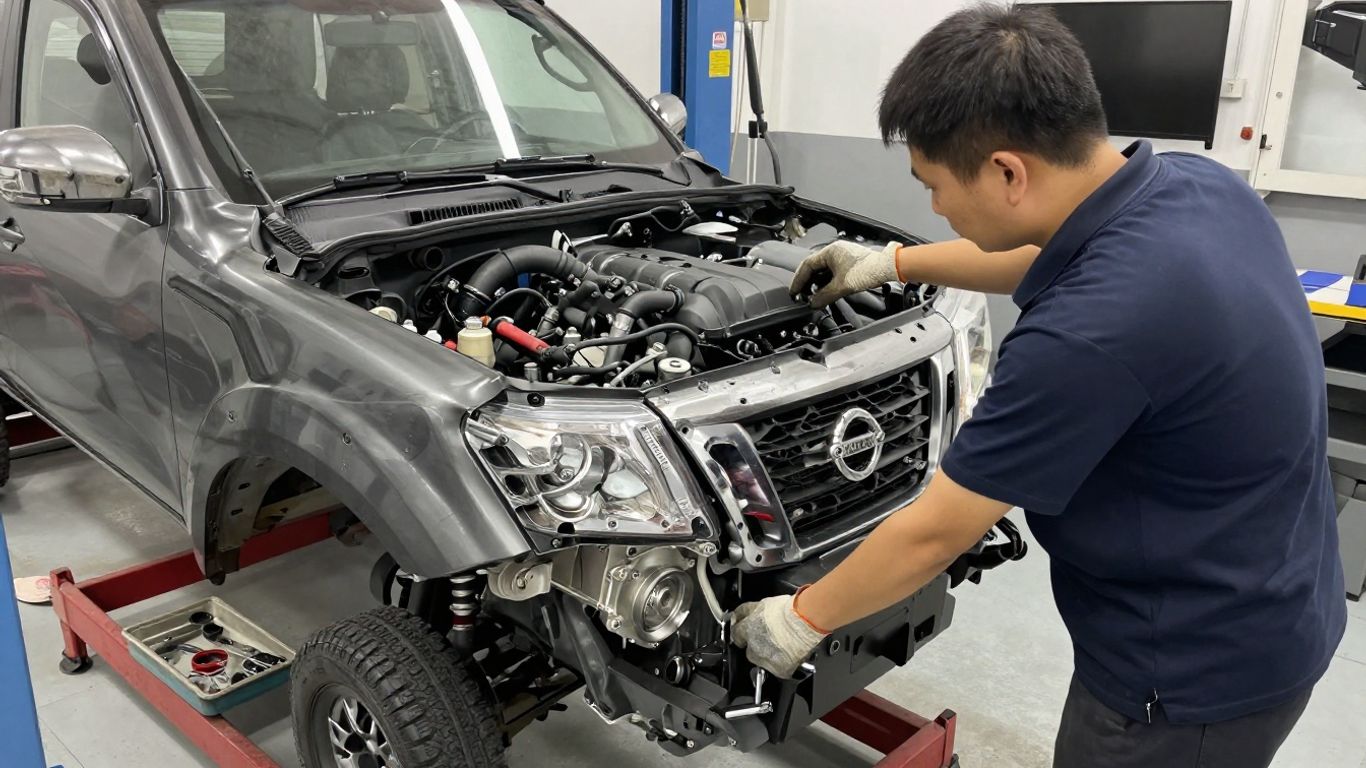
Before installation, the workshop should look for discolored oil, coolant residue, metal particles, damaged seals, corrosion, and evidence of overheating. The condition of the oil and coolant passages can offer clues, although a visual inspection cannot identify every internal problem.
It is sensible to budget for additional checks when the history is incomplete. Testing is not wasted effort: discovering a concern while the engine is on a stand is usually easier than finding it after the replacement is fitted.
Compare used, reconditioned, and rebuilt engine options
A used engine generally retains its existing internal components, while reconditioned and rebuilt descriptions can cover different levels of disassembly and replacement. Ask exactly what work was completed, which parts were replaced, and whether machining or measurement records are available.
The cheapest option may not be the lowest-cost option after freight, labor, and remedial work are included. Compare the warranty, documented work, and expected service life on equal terms, and have the installer review the choice before ordering.
Find reputable suppliers in Melbourne, Victoria
Local sourcing can make communication, collection, and warranty discussions simpler. It also gives you an opportunity to ask precise questions before the engine is dispatched. Whether you contact a wrecker, recycler, or engine specialist, judge the business by the information it can provide rather than by a low headline price.
Evaluate local wreckers, recyclers, and engine specialists
Look for a supplier that regularly handles Nissan parts and can identify engines by model, year, and code. Niss4x4 Auto Parts Melbourne describes itself as specializing in used Nissan engines for models including the Navara, with petrol and diesel engines available. That documented focus can make a targeted enquiry more productive than a generic search.
Give the business your full vehicle details and ask it to confirm the proposed unit in writing. A specialist should be comfortable discussing what was inspected, what is included, and what the workshop must transfer from the original engine.
Check warranties, return policies, and supplier experience
Read the warranty before purchase, including its duration, covered components, labor treatment, exclusions, and claim process. Ask who decides whether a failure is covered and whether the engine must be installed by a qualified workshop. These details matter more than a broad phrase such as “warranty included.”
Niss4x4 Auto Parts states that its used Nissan engines are tested and backed by industry expertise. Treat that as a description of the supplier’s offering, then request the applicable written terms for the specific engine you are considering.
Confirm stock availability and delivery timeframes
An engine listed online may still require a final stock check, inspection, or preparation. Confirm whether the unit is physically available, whether it can be collected in Melbourne, and how long dispatch will take if it must be transported. Also ask how the engine will be secured and protected during freight.
Niss4x4 Auto Parts describes fast Australia-wide delivery for its used Nissan engines. Even with that stated capability, confirm the practical timeframe for your address and workshop booking before scheduling the vehicle’s teardown.
Read customer reviews and verify business details
Reviews can reveal patterns around communication, packaging, accuracy of descriptions, and warranty handling, but they should be read alongside formal business details. Check the trading name, physical address, contact channels, and invoice information before paying a deposit.
A clear paper trail helps if the supplied engine differs from the agreed specification. Save the listing, quote, messages, photographs, and warranty terms so everyone is working from the same description.
Compare the total cost of an engine replacement
The engine price is only one part of the job. Removal, preparation, fitting, fluids, diagnostics, and any faults discovered during installation can materially change the final bill. A sound comparison uses the same scope of work for every option.
Price the engine alongside labor and installation
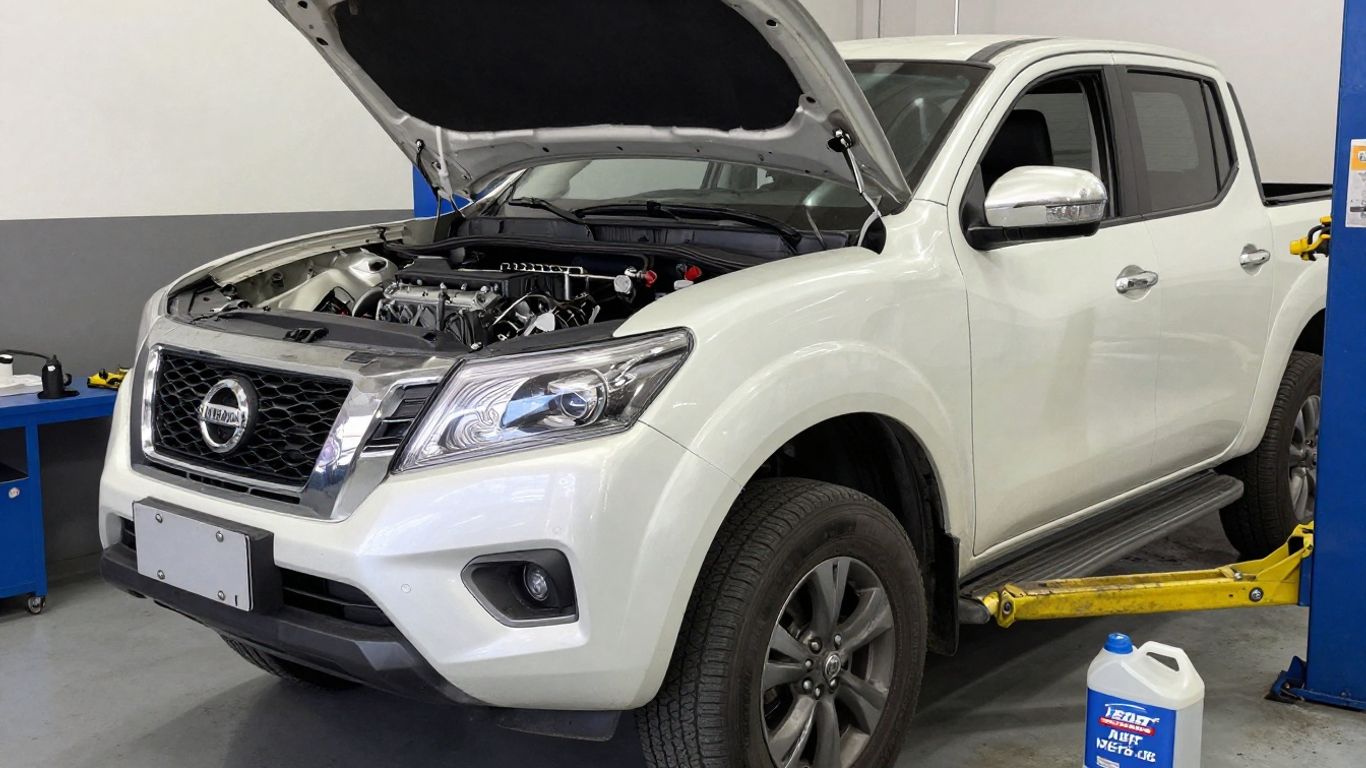
Request an itemized quote covering removal of the old engine, preparation of the replacement, installation, and initial testing. Ask whether freight, taxes, disposal, and workshop consumables are included. A low engine price can look very different once the vehicle is on a hoist.
The mechanic should also explain which tasks are assumptions and which are confirmed. This makes it easier to compare a used engine with a rebuild or another compatible assembly without confusing different levels of service.
Budget for seals, hoses, fluids, and related components
Replacing accessible wear items during the installation can be sensible, particularly when old seals, hoses, belts, filters, or fluids would be difficult to reach later. The exact list depends on the engine and the vehicle’s condition, so have the workshop inspect the parts rather than replacing everything automatically.
Ask for these items as a separate quote line. That keeps the core engine price clear while allowing you to make practical decisions about preventive work.
Account for diagnostics, programming, and additional repairs
Modern Navaras may need diagnostic scans, electronic checks, or programming after an engine change. The workshop may also find damaged wiring, cooling-system faults, or a transmission issue that was not caused by the replacement engine. Allowing for these possibilities makes the estimate more realistic.
A useful quote states what is included in post-installation testing and what would require approval. That protects both sides from an assumption that every fault found during the job is part of the original engine price.
Compare replacement costs with rebuilding the existing engine
A rebuild may preserve a known engine block and vehicle-specific accessories, but the cost depends on machining, internal damage, parts availability, and the rebuilder’s scope. A used replacement may be quicker, while a rebuilt unit can offer more documented work if the existing engine is suitable.
Use the same questions for both paths: total price, turnaround, warranty, included parts, and likely additional work. The right choice is the one that fits the vehicle’s value and your need for predictable service, not automatically the option with the lowest initial quote.
Prepare for professional installation
Professional installation is more than lifting one engine out and another into place. The workshop needs to confirm that surrounding systems are healthy and that the replacement is configured correctly for the vehicle. Good preparation reduces the chance of repeating the same failure.
Inspect supporting systems before fitting the replacement
Before fitting the engine, inspect the cooling system, radiator, intercooler, fuel system, exhaust, mounts, transmission interface, and wiring. If the original engine overheated or suffered oil starvation, the cause should be investigated rather than simply replaced with another unit.
This inspection may reveal a blocked radiator, damaged hose, failed sensor, or contaminated system. Addressing the underlying issue gives the replacement a better chance of performing as expected.
Replace essential maintenance items during installation
Some maintenance items are easier to replace while the engine is accessible. Depending on the engine’s condition and the manufacturer’s service requirements, the workshop may recommend fresh filters, fluids, seals, belts, hoses, or a thermostat.
The decision should be based on inspection and access, not a blanket promise that every component must be changed. Ask the mechanic to separate essential repairs from optional preventative work.
Verify ECU, immobilizer, and wiring compatibility
The installer should compare the replacement engine’s sensors and accessories with the vehicle’s ECU and immobilizer system. Wiring connectors can look similar while serving different functions, and an engine that turns over may still fail to communicate correctly with the control modules.
Confirm who will handle scanning, fault-code clearing, programming, and any required component transfer. Getting that responsibility clear before installation avoids delays when the mechanical work is complete.
Complete testing, tuning, and leak checks after installation
After installation, the workshop should check fluid levels, start-up behavior, operating temperature, warning lights, leaks, and abnormal noises. It should also verify that the engine responds correctly under suitable test conditions before the vehicle is returned.
Request a written record of the checks and any outstanding recommendations. A short follow-up inspection after the vehicle has been driven can catch seepage or hose issues that were not visible during the first start.
Protect your investment after installation
A replacement engine still needs a careful service routine, particularly during its first period of operation. Keep the supplier’s terms and the installer’s instructions together, because warranty requirements may depend on correct fluids, maintenance, and prompt reporting of problems. Early attention is usually simpler than trying to explain a neglected warning later.
Follow the supplier’s break-in and maintenance recommendations
Ask whether the engine has any specific running-in instructions and follow the written guidance supplied with the unit. The appropriate approach depends on whether the engine is used, reconditioned, or rebuilt, so avoid applying generic break-in advice without checking.
Keep the first service and inspection dates visible in your calendar. If the supplier requires particular records for warranty support, make sure the workshop understands those requirements before work begins.
Use the correct oil, filters, and replacement intervals
Use oil and filters that meet the vehicle manufacturer’s specification, with the correct grade for the engine and operating conditions. Do not assume that a familiar oil is suitable simply because it worked in another diesel or petrol vehicle.
Record the oil type, filter part number, date, and mileage at every service. Consistent records make maintenance easier and provide useful evidence if the engine develops a concern.
Monitor warning lights, fluid levels, and engine performance
For the first weeks, check coolant and oil levels regularly and pay attention to smoke, temperature changes, unusual noises, hard starting, or reduced performance. A warning light should be diagnosed promptly rather than ignored because the engine is newly installed.
Stop driving if the vehicle shows signs of serious overheating, low oil pressure, or a major leak. Contact the workshop and supplier quickly, following the warranty process instead of dismantling the engine without authorization.
Keep documentation for warranty and future servicing
Keep the purchase invoice, engine identification, delivery record, inspection notes, installation invoice, diagnostic results, and service receipts. Photographing the engine and its identifying marks before installation can also help preserve a clear record of what was supplied.
Organized documentation protects your warranty position and gives the next technician a useful history. It also makes future servicing more straightforward, especially if the vehicle changes hands.
Conclusion
Choosing a used Nissan Navara engine in Melbourne, Victoria becomes more manageable when you verify the exact specification, question the unit’s history, compare the complete installed cost, and use a qualified workshop. Careful records and early monitoring then help turn a difficult repair into a more predictable ownership decision.