
Key Takeaways
Used Nissan parts can reduce repair costs when their condition and compatibility are checked carefully. A little preparation makes it easier to find suitable 4×4 and sedan components in Darwin.
- Confirm the VIN, model year, engine, and transmission before requesting a part.
- Inspect used components for wear, damage, corrosion, and missing hardware.
- Ask about testing, warranty coverage, returns, and delivery before paying.
- Compare used, new, and reconditioned prices on a like-for-like basis.
- Call ahead so the wrecker can confirm stock and collection arrangements.
Understanding Nissan wreckers in Darwin NT
Nissan wreckers dismantle vehicles and recover usable components for resale, giving owners another option when a new replacement is expensive or difficult to source. The right yard may have parts for older and newer vehicles, although stock changes as vehicles arrive and are dismantled. For anyone searching for Nissan wreckers Darwin NT – 4×4 & sedan parts available, the most useful approach is to treat the search as a compatibility and condition check rather than a simple price hunt.
What Nissan wreckers do
A wrecker receives vehicles that may be damaged, uneconomical to repair, or no longer wanted, then removes parts that can be safely reused. Components are generally identified, stored, and sold individually, while unusable materials are directed toward recycling or disposal. This process can help owners find an original used component without buying an entire vehicle.
Why used Nissan parts can be a cost-effective choice
A used part may cost less than a new genuine replacement, particularly for body panels, trim, mirrors, and older mechanical components. It can also be a practical match for a vehicle where the rest of the equipment is already aged. Savings should still be weighed against condition, freight, fitting costs, and the absence or limits of a warranty.
Nissan models commonly available in Darwin
Stock varies, but Darwin buyers may encounter parts from Nissan Patrol and Navara vehicles alongside sedan models such as the Tiida, Pulsar, and Maxima. Availability depends on local vehicle arrivals and demand, so a model name alone is not enough to confirm a match. Ask for the exact series, build year, engine, and body style when making an enquiry.
How local wreckers source and inspect vehicles
Vehicles can enter a yard after collision damage, mechanical failure, insurance disposal, or normal replacement. A careful wrecker assesses whether a component is suitable for reuse, checks it for visible damage, and records identifying details before listing it. Buyers should still make their own inspection, especially for parts exposed to heat, water, dust, or heavy use.
Finding 4×4 Nissan parts for Northern Territory driving
Four-wheel-drive parts often face harsher conditions than ordinary passenger-car components. Heat, corrugated roads, dust, water crossings, towing, and remote travel can all affect the driveline, suspension, body, and cabin. Start with the exact Nissan model and intended use, then assess whether a used part has lived an equally demanding life.
Common parts for Nissan Patrol and Navara
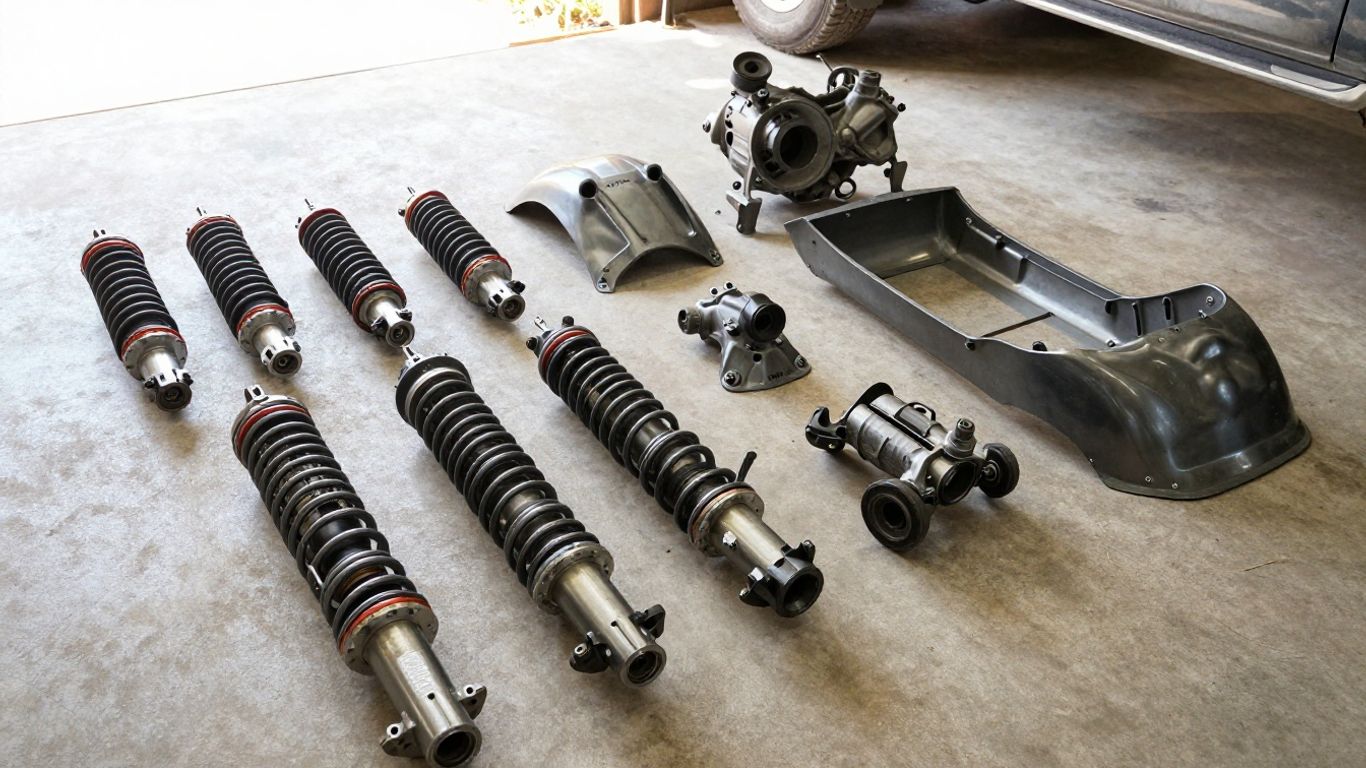
Patrol and Navara owners commonly look for doors, guards, bonnets, tailgates, grilles, mirrors, seats, diffs, gearboxes, transfer cases, and engine accessories. The same model name can cover several generations and specifications, so the part should be matched by build details rather than appearance alone. A photograph from the donor vehicle can help confirm shape and mounting points.
Drivetrain and suspension components
Drivetrain parts deserve closer questioning because internal wear may not be visible from the outside. Ask whether the differential, transfer case, gearbox, driveshaft, steering component, or suspension assembly was tested and whether its operating condition is known. Check for leaks, damaged mounts, worn splines, bent housings, and corrosion before agreeing to purchase.
A short comparison can help organise the enquiry before you call:
| Component | Useful checks | Common concern | Helpful detail to provide |
|---|---|---|---|
| Differential | Housing, oil, backlash | Water or impact damage | Front or rear, ratio if known |
| Gearbox | Selection, casing, mounts | Synchro or bearing wear | Manual or automatic |
| Suspension | Bushes, arms, struts | Bent or heavily worn parts | Lift, standard height, or model |
These checks do not replace a mechanical inspection, but they make the quote more meaningful. If a part has been removed from a vehicle with severe underbody damage, ask specifically whether the housing and mounting points were affected.
Body panels, accessories, and interior parts
Body panels are often easier to assess visually, while accessories and interior components may need a closer look for broken clips, fading, stains, or missing fittings. Compare the panel’s contours, colour, badges, trim holes, and sensor openings with your vehicle. For touring equipment, confirm that brackets and fasteners are included rather than assuming they will transfer from the damaged part.
Checking parts for off-road wear and damage
Off-road wear is not limited to obvious dents. Look for packed dust, mud staining, scraped underbody surfaces, stone marks, stretched wiring, bent brackets, and corrosion around fasteners. A clean exterior can hide damage, so ask where the donor vehicle was used and whether the part was tested before removal.
Finding used Nissan sedan parts
Sedan parts can be plentiful, but compatibility still depends on more than a Nissan badge. Facelifts, trim grades, engine options, safety equipment, and market specifications may change the shape or operation of a component. A clear request helps the yard search its stock without relying on a vague description.
Popular Nissan sedan models and compatible components
Parts may be available for models such as the Pulsar, Tiida, and Maxima, depending on local supply. Common requests include engines, transmissions, starters, alternators, doors, headlights, bumpers, seats, dashboards, and window regulators. Ask the seller to confirm the donor model and compare the component with your original before fitting.
Engines, transmissions, and electrical parts
Mechanical and electrical parts need more than a visual match. Ask for the engine code, transmission type, mileage where known, and the donor vehicle’s condition before removal. Electrical components should be checked for correct plugs, sensors, control modules, and coding requirements, since a part that physically fits may still fail to communicate with the vehicle.
Exterior panels, lights, and mirrors
For exterior parts, compare mounting points, connectors, lens shape, colour, and sensor openings. Headlights and mirrors may vary between trim levels even within one generation. Ask whether a light includes bulbs, ballast, or control equipment, and inspect panels for previous repairs, rust, dents, and distorted edges.
Interior trim and comfort features
Interior parts are often a sensible way to restore an older sedan without paying for new trim. Check seat rails, airbag covers, switches, console lids, vents, door cards, and carpet for damage or odour. Colour and texture can differ between grades, so request photographs when you cannot inspect the part in person.
How to confirm Nissan part compatibility
Compatibility is best established before the part is removed or shipped. The vehicle identification number gives the wrecker a starting point, while the build date, engine, transmission, and original part number narrow the search. Never rely on a similar photograph or a broad model description alone.
Using the vehicle identification number
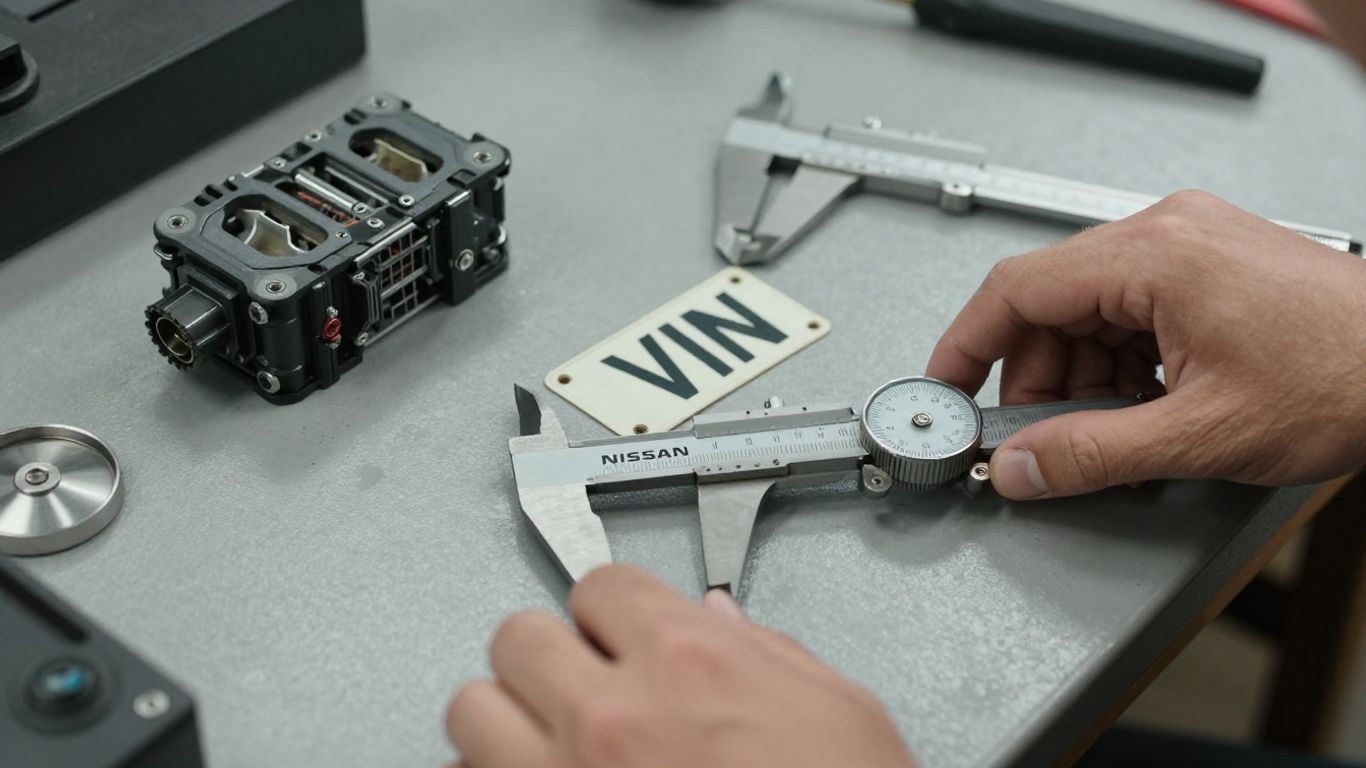
Provide the complete VIN whenever possible, along with the registration details and a photograph of the existing component. The VIN can help identify the vehicle specification, but it may not answer every question about a replacement assembly. Keep the old part available so the seller can compare labels, connectors, and mounting points.
Matching model year, engine, and transmission
A model can change during a production run, and two vehicles with the same badge may use different engines or transmissions. State whether the vehicle is manual or automatic, petrol or diesel, two-wheel drive or four-wheel drive, and note any variant or series information. These details often prevent an apparently cheap but unusable purchase.
Comparing original equipment and aftermarket numbers
Original equipment numbers, casting marks, and supplier numbers can provide useful cross-checks. An aftermarket catalogue may list an equivalent, but the listing should still be compared with the vehicle’s specification and the original component. Give the wrecker every number you can find rather than selecting a match based only on a search result.
When interchangeable parts may not fit
Parts described as interchangeable may differ in wiring, brackets, calibration, dimensions, or software. Safety-related items deserve particular care, including airbags, seatbelt components, steering parts, and braking equipment. If the supplier cannot explain the compatibility basis, pause the purchase and ask a qualified mechanic to verify it.
Buying Nissan parts from a Darwin wrecker
A useful quote is based on specific information, not just a request for a “Nissan part.” Give the supplier enough detail to identify the correct component and explain how you plan to collect or install it. Then compare the full cost, including freight, fitting, and any core or deposit requirement.
What information to provide when requesting a quote
Include the VIN, model, build year, engine, transmission, body style, part name, and side or position where relevant. Add photographs of the damaged part, its label, and nearby mounting points. Mention whether you need a complete assembly or only a small component, since the price and availability may differ.
Questions to ask about condition and warranty
Ask whether the part was tested, inspected, cleaned, or removed from a running vehicle. Confirm known faults, mileage, damage, included hardware, warranty length, and the process for making a claim. Written details on the invoice or quote are preferable to relying on a hurried phone conversation.
Comparing prices with new and reconditioned parts
A used component is not automatically the cheapest after delivery and installation are included. Compare equivalent specifications and make sure a new or reconditioned quote includes the same accessories, warranty, and preparation. For a major mechanical part, a slightly higher price may be reasonable if it includes testing or clearer protection against early failure.
Arranging pickup, delivery, or installation
Darwin buyers should confirm whether the part is available for collection, can be delivered locally, or can be sent to another location. Ask how the component will be packaged, especially if it includes glass, sensors, or delicate trim. If installation is offered, confirm labour charges and whether the installer will inspect compatibility before fitting.
Preparing for your visit to a Nissan wrecking yard
Preparation saves time and makes a comparison easier once you arrive. Bring the information that identifies your vehicle, along with photographs and measurements of the damaged component. Wear suitable clothing and follow the yard’s access and safety instructions rather than assuming every vehicle is available for customer inspection.
Bringing photos and measurements of the damaged part
Photograph the whole vehicle, the damaged area, the component label, connectors, fasteners, and mounting points. Measure length, width, hole spacing, and shaft or hose sizes when those dimensions matter. These records give the seller something concrete to compare with a donor part.
Inspecting used parts before purchase
Inspect the part under good light and look for cracks, bends, leaks, corrosion, repairs, missing clips, and damaged threads. Operate switches and moving pieces where practical, and compare the item with your original before it is wrapped. For a larger mechanical component, ask what testing was completed and what the inspection could not establish.
Checking towing and collection options
If your vehicle is not driveable, ask whether the yard can help coordinate towing or whether you need to arrange an outside provider. Confirm loading access, collection hours, payment timing, and whether large parts require a suitable vehicle or trailer. Planning this before purchase prevents a usable part from becoming difficult to transport.
Understanding removal, returns, and payment policies
Clarify whether the yard removes the part, whether removal fees are separate, and what happens if the component is defective or incompatible. Ask about return timeframes, restocking charges, deposits, and acceptable payment methods. Keep the quote, invoice, and any written warranty information until the part has been fitted and tested.
Choosing a reliable Nissan wrecker in Darwin
A reliable supplier should be clear about what it knows and what it cannot guarantee. Look for practical evidence of organised stock, careful dismantling, accurate descriptions, and responsive communication. Reviews can provide useful context, but your final decision should also consider the specific part and the protection offered with it.
Checking licensing, reviews, and business experience
Check that the business operates lawfully and has a clear way to contact it after the sale. Reviews are most useful when they describe communication, part condition, accuracy, and how problems were handled rather than simply praising low prices. Ask how long the supplier has handled the type of Nissan part you need.
Evaluating parts testing and vehicle dismantling practices
Ask how vehicles are assessed before dismantling and how recovered parts are labelled, stored, and tested. Good answers should distinguish between a part that was tested, one that was visually inspected, and one sold strictly as untested. This distinction helps you choose an appropriate component and budget for any additional inspection.
Confirming stock availability before travelling
Call or message before making a long trip, even if an online listing appears current. Confirm the exact part number, condition, price, location, and whether the item is still held. Request photographs of unusual or high-value components, and ask the supplier to reserve the part if its policy allows.
Looking for environmentally responsible recycling methods
Responsible dismantling includes recovering reusable components, handling fluids safely, and sending metals and other materials through suitable recycling channels. Ask how unusable parts and hazardous materials are managed if environmental practice is a deciding factor. A yard that can explain its process clearly is easier to trust with both the vehicle and the transaction.
Conclusion
Finding suitable used Nissan parts in Darwin is mainly a matter of accurate identification, realistic condition checks, and clear buying arrangements. Whether you need a Patrol drivetrain component, a Navara body panel, or a sedan interior part, providing complete vehicle details and asking direct questions will give you a better chance of making a sound repair decision.