
Key Takeaways
A Nissan wrecker can make repairs more affordable while keeping usable vehicle parts in circulation. The safest results come from careful matching, clear questions, and responsible installation.
- Confirm the Nissan model, build year, VIN, and part number before ordering.
- Compare used, refurbished, and new components according to the repair and budget.
- Ask about condition, warranty, delivery, and return terms before paying.
- Prepare ownership and vehicle documents when selling or recycling a Nissan.
- Choose businesses that handle dismantling, reuse, and recycling responsibly.
Understanding Nissan wreckers in Adelaide
Nissan wreckers in Adelaide dismantle end-of-life and damaged vehicles, inspect reusable components, and make suitable parts available for other repairs. This process can be useful for owners of common models as well as older vehicles that are no longer supported by regular retail stock. A good yard combines practical vehicle knowledge with clear information about the part being sold.
What Nissan wreckers do
A wrecker assesses incoming vehicles, removes components, and sorts parts that can be tested, reused, refurbished, or recycled. The range may include mechanical components, body panels, interior fittings, wheels, suspension items, and electrical equipment. Parts are normally identified by vehicle details and stored so staff can locate them when a customer makes an enquiry.
The better yards do more than remove parts quickly. They record condition, separate damaged items from usable stock, and explain what is known about a component before recommending it. That information helps a buyer decide whether a recycled part is appropriate for a straightforward repair or needs further inspection.
Why choose recycled Nissan parts
Recycled parts can reduce the cost of a repair, particularly when a new component is expensive or a vehicle is several years old. They also give serviceable components another use instead of sending the whole vehicle directly to waste processing. For owners trying to keep an older Nissan on the road, that combination of price and availability can be practical.
Salisbury Auto Parts describes its used Nissan parts as genuine and says its service can provide savings of up to 50 percent on selected used parts. Those figures are an advertised possibility rather than a promise for every item, so the sensible approach is to compare the exact part, condition, and warranty with other available options.
Nissan models commonly available
Availability changes as vehicles arrive and parts are sold, but Adelaide yards commonly handle Nissan passenger vehicles, SUVs, four-wheel drives, and utes. Navara and Patrol parts are specifically identified in local Nissan parts listings, while other models may be available depending on current dismantling stock. Older Datsun-related vehicles can also require a more targeted search.
When a model is popular, there may be several versions of the same component in circulation. Trim level, engine, transmission, drive type, and production year can all affect fitment. Calling with precise details is usually more productive than searching only by a broad model name.
How local Adelaide yards source inventory
Local yards generally build inventory from vehicles that are damaged, unwanted, uneconomical to repair, or reaching the end of their usable life. A vehicle may still contain many serviceable parts even when its body or drivetrain has been badly affected. Parts are then removed, assessed, and catalogued for future enquiries.
This is why stock changes constantly. A part unavailable one week may appear after a suitable vehicle arrives, while a commonly requested component may sell quickly. Salisbury Auto Parts says it receives used Nissan parts regularly and can source a part when it is not currently in its stockpile, although availability should always be confirmed for the specific request.
Finding the right Nissan parts
The most useful search begins with identification, not price. Nissan parts that look similar can differ across model years, engines, transmissions, body styles, and safety systems. Give the supplier enough information to check the part properly, then compare the proposed replacement with the component already fitted to the vehicle.
Matching parts by model and year
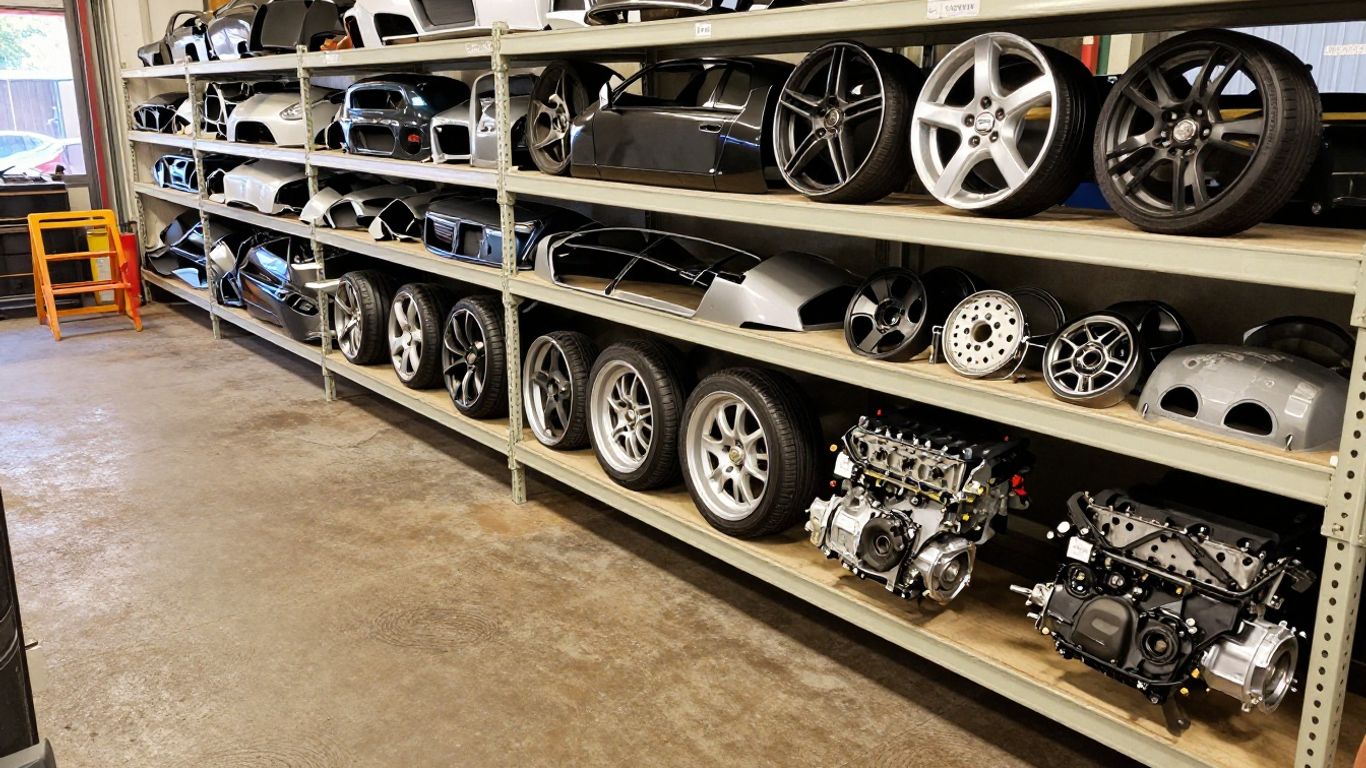
Start with the full model name, build year, body style, engine size, transmission, and drivetrain. A Navara, for example, may have different components across cab configurations and engine generations. Even when a part appears unchanged, mounting points, plugs, sensors, or software may vary.
Photographs can help, especially for body panels, interior trim, wheels, and visible brackets. They should support—not replace—the vehicle details supplied to the wrecker. If the part is safety-related or difficult to replace, ask the supplier to confirm fitment before dispatch.
Using VINs and part numbers
The VIN gives a supplier a stronger starting point than a model name alone because it identifies the particular vehicle. A stamped or printed part number can provide another useful check, though numbers may differ between revisions or markets. Send clear photographs of labels and connectors when the number is difficult to read.
A part number is not an automatic guarantee of compatibility. Ask whether the number is an exact match, a superseded number, or an alternative that has been checked for the vehicle. This small distinction can prevent an apparently good bargain from becoming an expensive return.
Comparing used, refurbished, and new components
Used parts are removed from another vehicle and sold in their existing condition after an assessment. Refurbished parts have generally undergone additional work, while new components have not previously been fitted. The right choice depends on the part, the repair’s urgency, the vehicle’s value, and the protection offered by the seller.
A simple comparison helps keep the decision grounded:
| Option | Typical advantage | Question to ask | Best initial use |
|---|---|---|---|
| Used | Lower purchase cost | What condition was recorded? | Older or budget repairs |
| Refurbished | Additional reconditioning | What work was completed? | Components needing renewed serviceability |
| New | Fresh component and broad availability | Is it genuine or aftermarket? | Critical or high-wear replacements |
The cheapest option is not always the lowest-cost repair. Include freight, fitting, testing, and the consequences of an incorrect part when comparing quotes.
Checking compatibility for discontinued models
Discontinued Nissan models can still be repairable, but the search may take more patience. Ask about superseded numbers, interchangeable assemblies, donor vehicles, and complete units rather than searching only for a single internal component. Interior trim and electronic modules may be especially difficult to match.
Keep the old part until the replacement has been checked, unless a mechanic advises otherwise. Comparing mounting points, connectors, dimensions, and identification marks before installation is a practical safeguard. It also gives the supplier useful information if the first option turns out not to fit.
Nissan models and parts covered
A broad Nissan parts search may include family cars, hatchbacks, SUVs, four-wheel drives, utes, commercial vehicles, and performance models. The useful question is not simply whether a yard handles Nissan, but whether it has the right generation and specification in stock. Parts availability changes with incoming vehicles and customer demand.
Nissan sedans and hatchbacks
Sedans and hatchbacks may provide access to doors, bonnets, tailgates, lamps, mirrors, seats, dashboards, engines, gearboxes, and smaller electrical components. Exterior colour and trim can matter as much as the model name when replacing a visible panel. Ask whether the panel is complete and whether it includes attached hardware.
Older passenger cars often benefit from a careful used-parts search because a new replacement may be difficult to source or disproportionate to the vehicle’s value. Mechanical parts still need proper identification, particularly where several engines or transmissions were offered during one model run.
Nissan SUVs and 4WDs
SUV and 4WD components may include transfer cases, differentials, driveline parts, suspension assemblies, tailgates, roof fittings, and interior equipment. These parts can vary with two-wheel-drive and four-wheel-drive configurations, so the drivetrain should be stated at the beginning of the enquiry.
Wear is also worth discussing. A differential or suspension component may have come from a vehicle with a different operating history than the buyer’s own Nissan. Ask what inspection has been completed and whether the supplier can describe the component’s condition rather than offering only a visual assurance.
Nissan utes and commercial vehicles
Nissan utes and commercial vehicles are often used heavily, making condition a central consideration. Engines, gearboxes, diffs, doors, tray-related parts, mirrors, seats, and electrical components may all be requested. The exact cab style, wheelbase, engine, and transmission can change compatibility.
Salisbury Auto Parts specifically lists Nissan Navara and Patrol among its coverage and says it handles parts ranging from engines and steering components to doors, alternators, ECUs, starter motors, and wheels. Buyers should still confirm the individual part’s condition and fitment rather than assuming every listed category is available immediately.
Performance, electric, and hybrid models
Performance models often require closer attention to engine codes, brakes, suspension, wheels, and control modules. Electric and hybrid vehicles add high-voltage systems and battery-related components, which should not be treated like ordinary plug-in electrical parts. A specialist inspection is appropriate where the system involves stored high voltage.
For any unusual or low-volume Nissan, provide photographs, the VIN, and the original part number. Ask whether the supplier has handled that model before and whether installation requires coding, calibration, or a particular safety procedure. If those details are unknown, pause before purchasing.
Buying used Nissan parts with confidence
Buying recycled parts is easier when the transaction is treated as a technical purchase rather than a quick online bargain. The buyer needs a clear description, a realistic view of condition, and terms that explain what happens if the component is unsuitable. A short phone conversation can resolve questions that photographs cannot.
Questions to ask before ordering
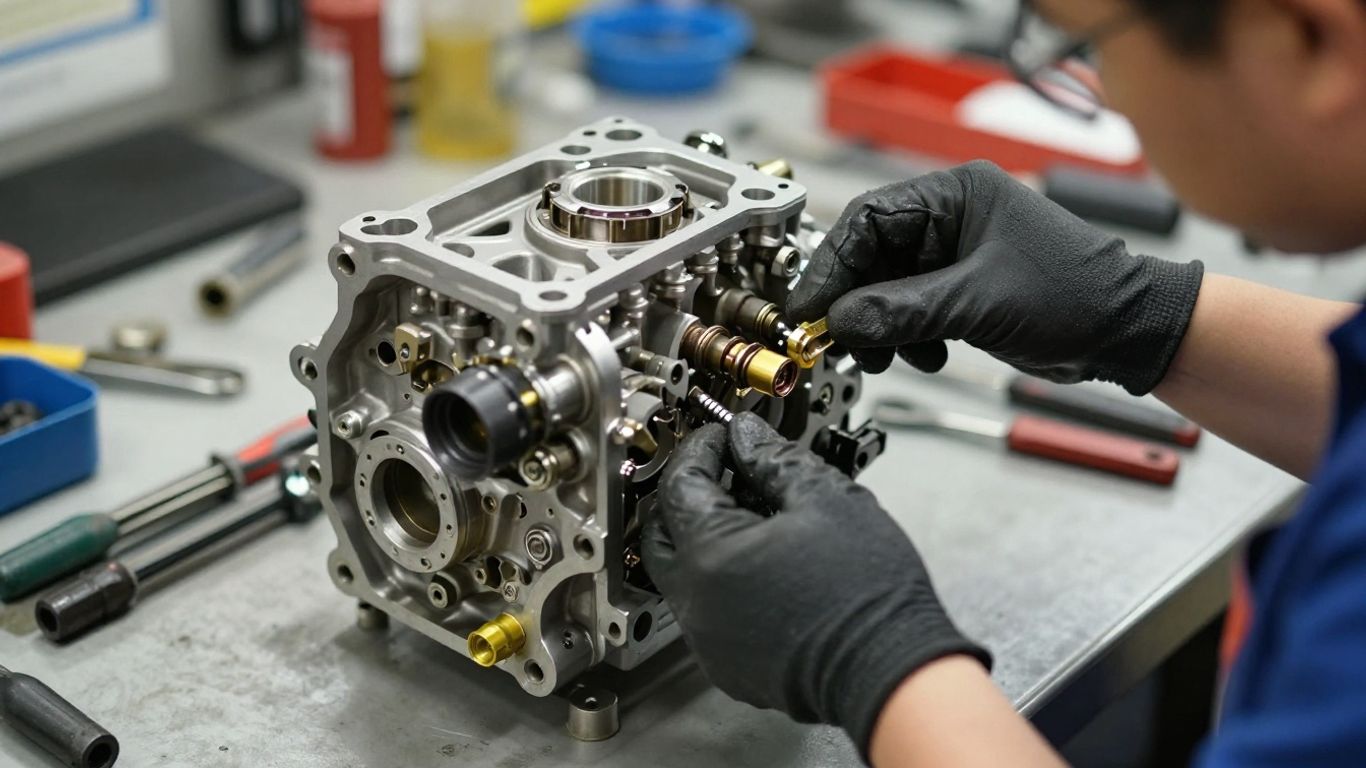
Ask for the donor vehicle details where available, the part number, condition, mileage information if relevant, included accessories, and any known faults. Confirm whether the component has been tested and whether the quoted price includes brackets, sensors, keys, wiring, or other attached pieces.
Also ask how the part will be packaged and whether delivery is available to your suburb or mechanic. These details matter for large or fragile items. Written confirmation of the agreed part and price provides a useful record if the order later needs clarification.
Assessing part condition and warranty coverage
Condition descriptions should be specific enough to support a decision. “Good used condition” means little without information about testing, wear, damage, corrosion, missing pieces, or cosmetic defects. For engines and transmissions, ask what was checked and whether the warranty covers labour or only the component itself.
Salisbury Auto Parts states that its used Nissan parts come with warranties ranging from three to 12 months, depending on the item, and that it offers a 30-day refund period. Read the actual terms for the part you are ordering, including exclusions, installation requirements, and evidence needed for a claim.
Confirming price, availability, and delivery
A quote should identify the exact part, its condition, the price, freight, and expected dispatch or collection timing. Stock can sell between the first enquiry and payment, so ask the supplier to confirm that the item is being held for you. Large components may require a different freight method from small electrical parts.
Salisbury Auto Parts says it processes used Nissan parts for delivery across Australia. That can be useful for buyers outside Adelaide, but freight costs and delivery timing still depend on the item and destination. Get the complete delivered price before comparing it with a local collection option.
Understanding return and exchange policies
Return rules can differ according to whether the part is faulty, incorrectly supplied, changed by the buyer, or damaged after installation. Ask what condition the part must be in, who pays return freight, and whether seals or labels must remain intact. Do not modify or dismantle a component before checking the policy.
A clear return process protects both sides. It also encourages the buyer to verify compatibility before fitting rather than relying on a refund after an avoidable installation. Keep the invoice, photographs, packaging, and any mechanic’s report until the part has been tested.
Selling or recycling an unwanted Nissan
An unwanted Nissan may still have value as a source of reusable parts, even when registration has ended or repairs are no longer economical. A wrecker can assess the vehicle as a whole, considering its model, condition, completeness, and demand for individual components. Preparing accurate information makes the valuation process faster.
Preparing a vehicle for assessment
Provide the make, model, year, registration status, location, approximate kilometres, and a description of damage or mechanical faults. Photographs of all sides, the interior, engine bay, wheels, and identification plates help a business judge whether a site visit or collection is worthwhile.
Remove personal belongings and gather keys, service records, and removable accessories before collection. Do not strip valuable components without discussing it first, because missing parts can change the assessment. If the vehicle cannot roll or steer, explain that clearly so suitable transport can be arranged.
Documents needed for deregistered vehicles
Requirements can vary, but sellers should be ready to provide proof of identity, ownership information, and any available registration or disposal documents. A deregistered vehicle may need additional paperwork to show that the seller has the right to dispose of it. Ask the wrecker what it needs before arranging collection.
Keeping copies of signed transfer or disposal records is sensible. It creates a clear trail for the vehicle and helps the seller address future questions about its status. Never hand over a vehicle when ownership or identification details are uncertain.
How vehicle valuations are determined
Valuations usually reflect the model, age, completeness, running condition, damage, demand for parts, and cost of collection. A clean, complete vehicle with desirable mechanical components may be worth more than a stripped shell, while severe damage can reduce the value of otherwise popular parts.
The highest initial figure is not automatically the strongest offer. Check whether towing, paperwork, payment timing, and any deductions are included. A written quote with clear conditions makes it easier to compare genuine offers without relying on assumptions.
Environmentally responsible parts recovery
Responsible dismantling separates reusable parts from fluids, batteries, tyres, metals, plastics, and components requiring controlled handling. Reusing a serviceable part can reduce demand for a newly manufactured replacement, while proper recycling keeps hazardous materials out of ordinary waste streams.
Ask how the vehicle will be depolluted and what happens to parts that cannot be reused. A reputable operator should be comfortable explaining its recovery process rather than focusing only on fast payment. Recycling is most useful when it is both lawful and careful.
Choosing reputable Nissan wreckers in South Australia
A reputable wrecker should be easy to contact, clear about its stock and terms, and willing to answer practical questions. Local experience can help with collection and delivery, but location alone is not proof of quality. Look for consistent information across the website, phone conversation, written quote, and final invoice.
Evaluating reviews and local experience
Reviews are most useful when they describe a specific transaction, such as accurate fitment advice, careful packaging, fair communication, or a straightforward return. Read recent comments as well as older ones, and look for patterns rather than treating one enthusiastic or critical review as decisive.
Ask how long the business has handled Nissan vehicles and whether it regularly supplies the type of part you need. Experience with a particular model family can reduce mistakes, especially when several generations share similar names but use different components.
Checking licensing and industry practices
Ask whether the business operates with the required approvals for vehicle dismantling, transport, and waste handling in its area. A legitimate operator should be willing to identify its business details and explain how it manages fluids, batteries, tyres, and scrap materials.
A fair price matters, but a clear process matters just as much.
That principle applies to both buying and selling. A transparent business can explain what is included in a quote, how a part was assessed, and what happens if the arrangement changes.
Comparing Adelaide locations and pickup options
Adelaide’s geography makes collection time and freight access worth considering. Ask whether the yard offers pickup, whether customers can collect parts, and whether large components require special vehicle access. For sellers, confirm whether vehicle removal is included and whether the collection team needs the car to be accessible.
Buyers outside Adelaide should compare delivery time, freight protection, and the handling of oversized components. A slightly cheaper part can become poor value if packaging is inadequate or the delivery arrangement is unclear.
Recognizing unreliable listings and offers
Be cautious when a listing provides no identifying details, uses stock photographs for a supposedly specific part, or refuses to confirm fitment. Pressure to pay immediately, vague warranty language, and unexplained deductions from a vehicle offer are also reasons to slow down.
Ask for a written description and a sensible way to verify the business before sending money or handing over a vehicle. If the answers remain evasive, another source may be safer, even when the advertised price looks attractive.
Installing and maintaining recycled Nissan parts
A correctly matched recycled part still needs correct installation. Some components are simple replacements, while others affect braking, steering, engine management, airbag systems, or high-voltage safety. The installation plan should reflect the risk of the component, not just its purchase price.
Parts best suited to professional installation
Engines, transmissions, differentials, steering parts, brake assemblies, airbags, suspension components, and electronic control modules often benefit from professional installation. A mechanic can check surrounding components, transfer required fittings, refill fluids, and complete calibration or diagnostic work where needed.
Professional fitting may also be required by a warranty. Before installation, ask whether the supplier specifies new seals, filters, fluids, programming, or inspection steps. Following those requirements can protect both the repair and any available warranty.
Safety checks for engines, brakes, and suspension
Inspect the replacement for cracks, leaks, bent mounts, damaged threads, corrosion, and missing hardware before fitting. Brakes and suspension need particular care because hidden wear can affect vehicle control. Engines and transmissions should be checked for fluid contamination, damaged connectors, and compatible mounting points.
After installation, check fluid levels, warning lights, fasteners, leaks, and unusual noises. A controlled test in a safe area should come before normal driving. If braking, steering, or stability feels different, stop and arrange an inspection rather than continuing to test the vehicle on the road.
Maintaining electrical and electronic components
Keep electronic parts dry, protected from static discharge, and supported by their connectors rather than their wiring. Battery condition and grounding can affect how a replacement module behaves. Some units may require coding, pairing, or diagnostic clearing after installation.
Do not assume that a matching plug proves full compatibility. Compare part numbers, connector layouts, and vehicle requirements, then scan for fault codes if appropriate. Water intrusion and poor connections are common causes of problems after an otherwise suitable electrical component has been fitted.
When to consult a qualified mechanic
Consult a qualified mechanic whenever the job involves safety systems, high-voltage equipment, complex diagnostics, or a component whose condition cannot be verified visually. A mechanic can also identify whether the failed original part damaged related components that should be repaired at the same time.
A second opinion is worthwhile when the repair is expensive or the replacement has limited warranty protection. The goal is not simply to fit a cheaper part, but to return the Nissan to safe, reliable operation with fewer surprises.
Conclusion
Nissan wreckers Adelaide South Australia – all models can be a useful search starting point for affordable repairs, hard-to-find components, and responsible vehicle recycling. Confirm compatibility carefully, ask direct questions about condition and warranty, and choose a wrecker that treats both parts recovery and customer communication seriously.