
Key Takeaways
Buying recycled parts can be a practical way to repair an X-Trail without paying new-component prices. The safest purchases come from careful identification, condition checks, and clear agreement about fitment and returns.
- Confirm the X-Trail’s model year, generation, drivetrain, and engine details.
- Use the VIN and part number to reduce fitment mistakes.
- Ask about condition, mileage, testing, and donor vehicle history.
- Compare pickup, freight, warranty, and return arrangements before paying.
- Have safety-critical or complex parts installed and checked by a mechanic.
Why choose Nissan X-Trail wreckers in Toowoomba
Wreckers can give Toowoomba drivers access to usable components removed from vehicles that are no longer economical to repair. The right part may cost less than a new replacement, while still matching the design and specifications of the vehicle. Availability changes regularly, so a clear description of the part is useful when making an inquiry.
How recycled parts can reduce repair costs
A used component can lower the parts portion of a repair bill, particularly when the vehicle is older or the replacement is a large assembly. Engines, doors, mirrors, and interior pieces may be available separately rather than requiring a complete new system. Compare the complete repair cost, including freight, fitting, fluids, seals, and any programming that may be needed.
The cheapest listed part is not always the cheapest outcome. A tested component with a suitable warranty may be better value than an unverified item that requires another removal and installation.
When second hand parts make more sense than new components
Second hand parts are often worth considering when a vehicle has several years of use left but its market value does not justify expensive new components. Cosmetic panels and trim are common examples, as are certain mechanical assemblies where the replacement can be identified and inspected properly. A recycled part can also be useful when a new component is back-ordered or no longer readily available.
The decision should still reflect the part’s role. A small trim piece has a different risk profile from a braking, steering, restraint, or drivetrain component. For safety-related items, condition, provenance, and professional assessment matter more than the initial price alone.
Environmental benefits of vehicle recycling
Vehicle recycling keeps usable components in circulation and reduces the need to manufacture every replacement from new materials. It can also divert recoverable metal, glass, plastics, and other materials from disposal. Reusing a suitable part gives one vehicle a second source of serviceable components while another vehicle is dismantled responsibly.
There is a practical benefit for owners as well. Choosing a recycled part can reduce unnecessary waste from replacing an entire vehicle or discarding a component that still has useful service life.
Common X-Trail models and generations available
The X-Trail has been sold across multiple generations, and parts are not automatically interchangeable between them. Older vehicles may be identified by generation or chassis code, while newer examples are often described by their model series and production year. Engine, transmission, drive layout, and equipment level can create further differences.
Tell the wrecker the year, body style, fuel type, transmission, and whether the vehicle is front-wheel drive or all-wheel drive. Photos of the existing part can help, but they should support—not replace—proper identification.
Finding the right second hand Nissan X-Trail part
Finding a suitable part starts with information rather than a broad request for “an X-Trail part.” Small differences in production year, engine, wiring, trim, and drivetrain can affect fitment. Before contacting a supplier, gather the vehicle documents and inspect the damaged component where possible.
Identifying your X-Trail’s model year and generation
Check the registration documents, compliance information, service records, and the vehicle identification plate for basic details. The build date and model year are not always identical, so provide both when they are available. A photograph of the vehicle identification plate can make a phone or online inquiry more precise.
Also record the body configuration and equipment fitted to the vehicle. Differences in headlights, bumpers, seats, mirrors, and dashboard equipment may depend on the trim level rather than the generation alone.
Using VINs, engine codes, and transmission details
The VIN is the most useful starting point because it identifies the individual vehicle and helps a supplier narrow the possible parts. Engine codes and transmission details add another layer of confirmation, especially for mechanical assemblies and control modules. If the code is difficult to find, a mechanic or parts specialist may help locate it.
Describe any symptoms as well as the failed part. A vehicle that will not start may have an electrical, fuel, sensor, or control issue rather than a failed engine, so diagnosis should come before ordering a major replacement.
Matching part numbers before you buy
A matching part number is strong evidence of compatibility, but it should still be checked against the vehicle details. Revisions, superseded numbers, connectors, mounting points, and software versions can create exceptions. Ask the supplier to confirm whether the number is an exact match, an approved replacement, or simply a visually similar item.
A clear photo of the label, plug, bracket, or mounting face can resolve uncertainty. Keep the original part until the replacement has been compared, unless the old item presents a safety or storage problem.
Understanding differences between genuine and aftermarket parts
A genuine part is made for the vehicle manufacturer’s supply chain, while an aftermarket part is produced by another company. Neither description alone proves that a component is right for a particular X-Trail. Quality, specification, installation requirements, and warranty terms should be considered together.
For body and trim items, color, finish, clips, and minor design changes may matter. For electrical and mechanical components, connector shape and calibration can be just as important as external appearance.
Popular Nissan X-Trail parts available from wreckers
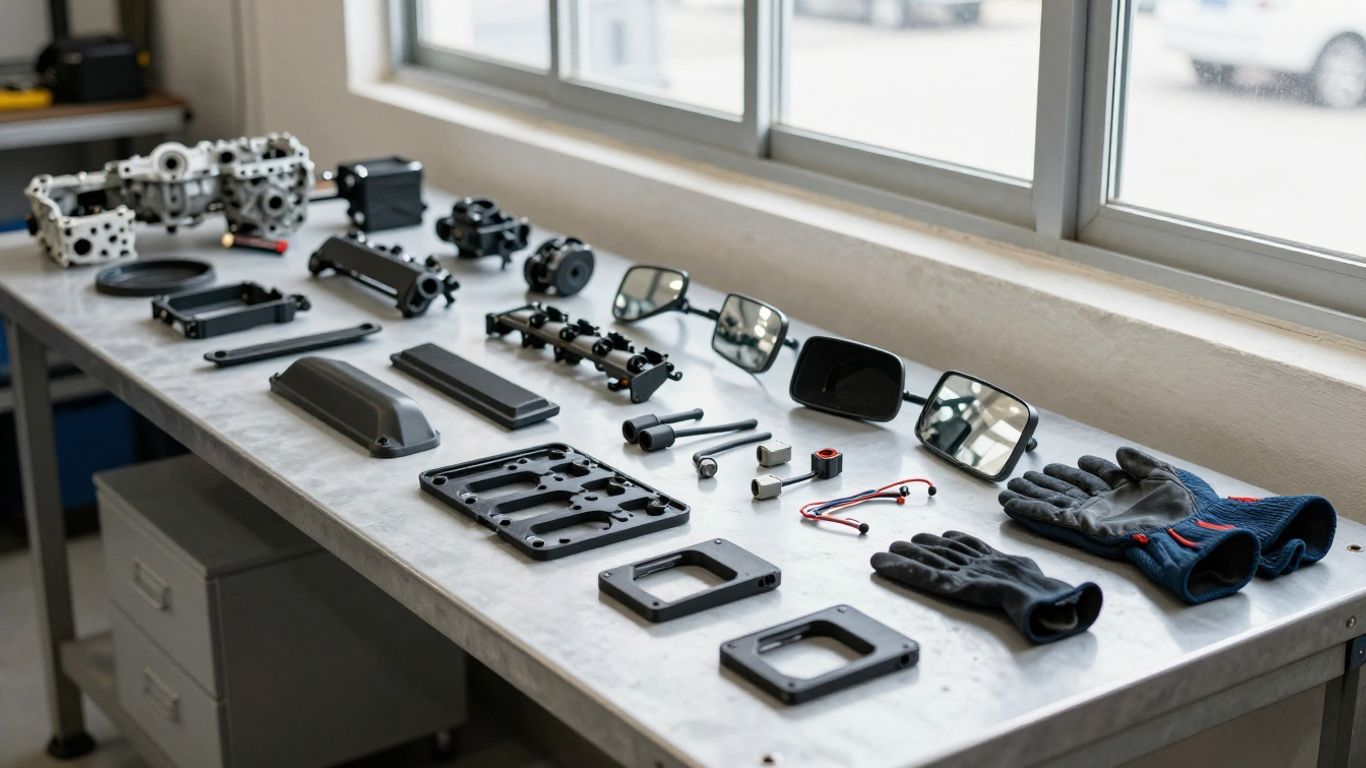
Wreckers may hold anything from a single fastener to a complete drivetrain assembly, depending on the donor vehicles currently in stock. Parts are usually sold according to condition and availability rather than as a guaranteed catalog range. Ask for an exact inspection or photograph before assuming an item is ready to fit.
Engines, transmissions, and drivetrain components
Large mechanical assemblies require particularly careful matching. Confirm the engine code, transmission type, drive configuration, included accessories, and whether items such as sensors, manifolds, starters, or alternators are included. A replacement engine or transmission may also require new seals, fluids, mounts, programming, or specialist labor.
Ask how the assembly was stored and whether its condition was assessed before removal. A complete unit can appear attractive, but missing ancillaries may change the final cost substantially.
Body panels, doors, mirrors, and interior trim
Body and interior parts are often easier to compare visually, although color and equipment differences still matter. Check panel edges, mounting tabs, hinges, glass, mirror functions, seat mechanisms, switches, and trim clips. A door shell may be sold without the regulator, lock, glass, speaker, wiring, or interior card.
Painted parts may need refinishing even when they are structurally sound. Confirm whether the quoted item is bare, partially assembled, or ready to install so the estimate reflects what will actually arrive.
Electrical parts, ECUs, and sensors
Electrical components should be matched by part number, connector arrangement, and vehicle specification. Some modules may require coding, configuration, or security-related procedures after installation. Sensors can also look identical while differing in range, calibration, or connector details.
Ask whether the item was tested and what testing involved. A supplier may be able to explain whether the component was checked on a vehicle, with bench equipment, or only through visual inspection.
Suspension, steering, and braking components
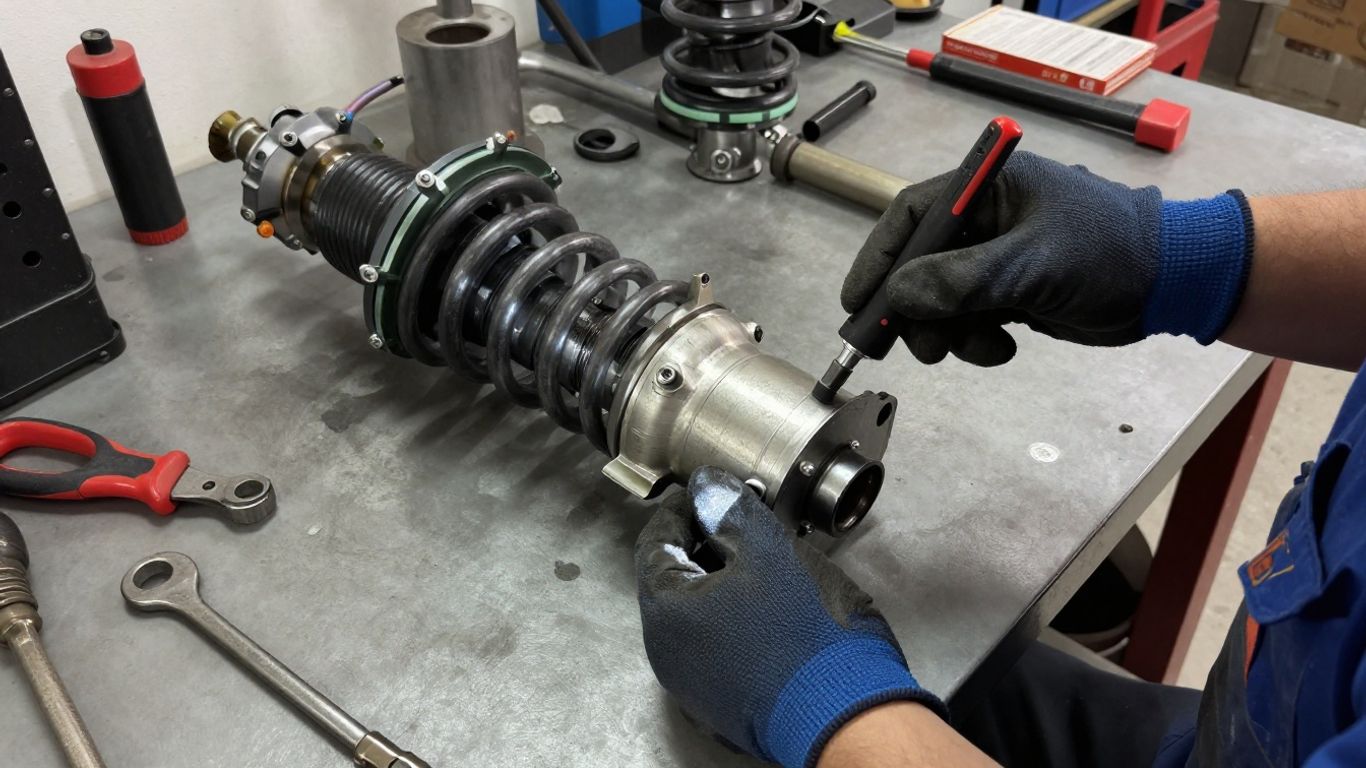
Suspension, steering, and braking parts deserve a conservative approach because wear and hidden damage may not be obvious. Inspect housings, threads, bushes, boots, discs, calipers, and mounting points, depending on the component. A used part should not be selected solely because it is available or inexpensive.
Where wear is expected, compare the cost of a recycled assembly with new wear items such as bushes, pads, seals, or bearings. The mechanic fitting the part can often identify related components that should be renewed at the same time.
How to assess used X-Trail parts before purchase
Condition descriptions can mean different things to different sellers, so ask specific questions before committing. Request photos of the exact item, not a generic vehicle image, and clarify whether accessories shown are included. A short conversation can prevent a costly mismatch or an avoidable freight return.
Checking condition, wear, and visible damage
Look for cracks, bends, corrosion, fluid leaks, broken mounts, damaged plugs, and missing fasteners. On body parts, inspect seams and mounting points as well as the visible surface. On mechanical parts, ask about abnormal noise, shaft play, compression, leaks, or other checks that are relevant to that assembly.
Photographs are helpful but limited. If the component is safety-critical or expensive to install, an in-person inspection or mechanic’s opinion can be worthwhile before payment.
Asking about mileage and donor vehicle history
Mileage is useful context for engines, transmissions, suspension assemblies, and electrical equipment, but it does not tell the whole story. Ask whether the donor vehicle was running, damaged in a collision, flood-affected, or dismantled for another reason. The location and nature of damage may affect confidence in particular parts.
A supplier may not know every detail of a donor vehicle’s history. That is why the answer should be considered alongside inspection findings, testing information, and the terms offered with the part.
Confirming testing and quality checks
Ask what was tested, when it was tested, and whether the result applies to the exact component being sold. For an electrical module, this might involve checking communication or operation; for a mechanical assembly, the relevant checks may be different. A clear testing description is more useful than a general statement that the part is “good.”
Use the answer to decide whether further diagnosis is needed. Testing cannot make an incompatible part suitable, and it does not remove the need to investigate why the original component failed.
Reviewing warranties, returns, and exchange policies
Read the warranty and return conditions before ordering, especially for parts that require substantial labor to install. Confirm the coverage period, exclusions, freight responsibility, and whether the part must be returned in a particular condition. Some policies may require professional installation or proof of a qualified diagnosis.
A clear return agreement is part of the purchase, not an afterthought.
After reading the terms, ask questions in writing if anything is unclear. Keep the invoice, messages, photographs, and packaging until the replacement has been fitted and tested.
Buying Nissan X-Trail second hand parts in Toowoomba
Local purchasing can make inspection and pickup easier, while phone and online orders may provide access to a wider pool of donor vehicles. Either approach works best when the inquiry includes precise vehicle and part information. Regional freight, handling, and delivery timing should be discussed before the order is finalized.
Local wreckers, phone orders, and online suppliers
A local yard may allow you to inspect a part, compare it with the original, and discuss installation questions directly. Phone orders are convenient when you have the VIN, part number, and clear photos ready. Online suppliers can be useful for searching broader stock, but the same fitment questions still need to be answered.
Avoid ordering from a description that leaves out the transmission, drive system, engine, or model year. If a supplier cannot confirm the relevant details, treat that uncertainty as a reason to pause rather than guess.
Comparing prices, availability, and delivery options
Compare the total price, not just the advertised part amount. Freight, packaging, core charges, tax, preparation, and required accessories can change the final figure. Also ask whether the part is physically in stock or still subject to confirmation from another yard.
A slightly more expensive item may be the better choice if it has stronger testing information, clearer warranty terms, or a more suitable delivery arrangement. Put the competing quotes side by side so important conditions do not disappear in a quick phone conversation.
Arranging pickup or freight across regional Queensland
For pickup, check the opening times, loading requirements, part weight, and whether a suitable vehicle or lifting equipment is needed. For freight, provide an accurate delivery address and ask how the component will be protected against impact and moisture. Large panels and heavy assemblies need different packaging from small electrical parts.
Inspect the parcel before signing where the carrier’s terms allow it. Photograph visible damage and retain the packaging if a freight claim or return becomes necessary.
Confirming installation requirements with a mechanic
Speak with the mechanic before purchasing a complex part. They can confirm whether the component appears suitable, identify extra seals or hardware, and explain whether coding, calibration, or specialist tools may be required. This is especially useful when the part’s labor cost is high compared with its purchase price.
Give the mechanic the supplier’s warranty conditions as well. Installation requirements may affect whether a claim is accepted, so agreeing on the process early protects both the repair and the purchase.
Tips for installing and maintaining recycled parts
A recycled component still needs to be installed with the same care as any other replacement. Clean mating surfaces, correct fasteners, suitable fluids, and accurate torque settings all affect the result. Do not assume that a used part can be fitted without checking the surrounding system.
When professional installation is recommended
Professional installation is the sensible choice for engines, transmissions, brakes, steering, suspension, airbags, electrical modules, and parts requiring programming. A qualified mechanic can inspect related faults and verify that the replacement is safe to use. Some jobs also require lifting equipment, diagnostic tools, or procedures that are not suitable for a home driveway.
For simpler trim or cosmetic items, a capable owner may manage the work with the right tools and instructions. If the fitting process is uncertain, asking for advice before removing the original part can prevent damage.
Replacing related components at the same time
Replacing an associated wear item can save duplicated labor and reduce the chance of an early follow-up repair. Examples may include seals with a removed transmission, filters and fluids with certain engine work, or mounting hardware when an assembly is disturbed. The correct combination depends on the vehicle and the failed part.
The goal is not to replace everything automatically. It is to inspect nearby components while access is available and make a reasoned decision based on condition, service intervals, and the mechanic’s findings.
Testing the part after installation
Test the repair in a controlled way before returning to normal driving. Check warning lights, leaks, unusual noises, vibration, steering feel, braking response, electrical functions, and fluid levels as relevant to the part. A scan tool may be needed for some electronic systems.
A short road test should be followed by another inspection. If a warning light or unusual symptom appears, stop and diagnose it rather than assuming the recycled part is defective or continuing to drive.
Keeping records for future repairs and warranty claims
Keep the invoice, part number, donor information, mileage details, installation date, mechanic’s receipt, and any test results. Photographs of the part before installation can also help establish its condition. These records make future troubleshooting easier and provide useful evidence if a warranty or exchange discussion arises.
Store the removed part and packaging until the repair has been confirmed. Good records turn a one-off purchase into a clearer maintenance history for the X-Trail.
Conclusion
A careful search for Nissan X-Trail wreckers Toowoomba – second hand parts can lead to a sound, cost-conscious repair. Identify the vehicle precisely, verify the component, assess its condition, and agree on installation and return terms before paying. With those steps in place, recycled parts become a practical option rather than a gamble.