
Key Takeaways
A suitable replacement gearbox begins with accurate vehicle details, not the cheapest listing. Testing, written warranty terms, and careful installation all matter just as much as the unit’s advertised price.
- Match the replacement to the exact model, drivetrain, engine, and transmission code.
- Distinguish a used unit from a reconditioned or remanufactured gearbox.
- Ask what testing was completed and what the warranty actually covers.
- Compare installation, fluids, seals, freight, and possible follow-up costs.
- Keep service records and respond quickly to warning signs after installation.
Understanding your Nissan gearbox options on the Gold Coast
Finding a replacement gearbox on the Gold Coast is not simply a matter of choosing manual or automatic. The correct decision depends on the vehicle’s configuration, the condition of the available unit, and the total cost of returning the car to reliable service. A careful comparison can prevent an apparently inexpensive purchase from becoming an expensive fitting problem.
Manual versus automatic gearboxes
Manual and automatic gearboxes differ in operation, maintenance needs, and the way faults appear. A manual unit may be linked to clutch wear or a damaged clutch assembly, while an automatic problem can involve shifting behaviour, fluid condition, or electronic controls. Before replacing either type, have the vehicle assessed so the gearbox is not blamed for a fault elsewhere in the driveline.
The replacement must match the original transmission type and drivetrain arrangement. A unit that looks similar externally may still have different mounting points, ratios, input components, or control requirements. Exact identification saves money because it reduces the chance of paying for a part that cannot be installed correctly.
Used, reconditioned, and remanufactured differences
A used gearbox is generally a previously fitted unit removed from another vehicle. Its value depends on its source, condition, inspection process, and the information supplied by the seller. Reconditioned and remanufactured descriptions can mean different things, so ask what components were inspected, replaced, or measured rather than relying on the label alone.
A replacement should be judged by evidence. Ask whether the casing was checked, whether seals or bearings were assessed, and whether the unit was tested under operating conditions. A clear explanation is more useful than a broad promise that the gearbox is simply “good.”
Nissan models commonly supported
Availability varies with age, engine, body style, transmission type, and drivetrain. Even vehicles carrying the same model name may use more than one gearbox across different years or specifications. That is why a supplier should confirm the part against identification details before reserving it.
When contacting a Gold Coast supplier, provide the registration or vehicle identification details, build information where available, and the transmission code. Photographs of the identification plate and the existing unit can also help clarify differences. Treat model names as a starting point, not as the complete specification.
When a replacement gearbox makes sense
Replacement is worth considering when the existing unit has major internal damage, repeated faults, or repair costs that approach the value of a suitable replacement. It can also make practical sense when a compatible tested unit is readily available and the vehicle remains useful to its owner. The decision should include labour and related parts, not only the gearbox itself.
A repair may still be preferable when the problem is limited to an accessible seal, sensor, linkage, clutch component, or fluid issue. An inspection can separate a gearbox failure from a surrounding fault. That distinction keeps a sound transmission from being replaced unnecessarily.
How to identify the right replacement gearbox
Correct identification is the central step in buying a replacement unit. Model, year, engine, drivetrain, transmission type, and transmission code can all affect compatibility. Use the vehicle itself as the reference point, then ask the supplier to confirm the proposed gearbox before payment or removal of the old one.
Matching the gearbox to your Nissan model
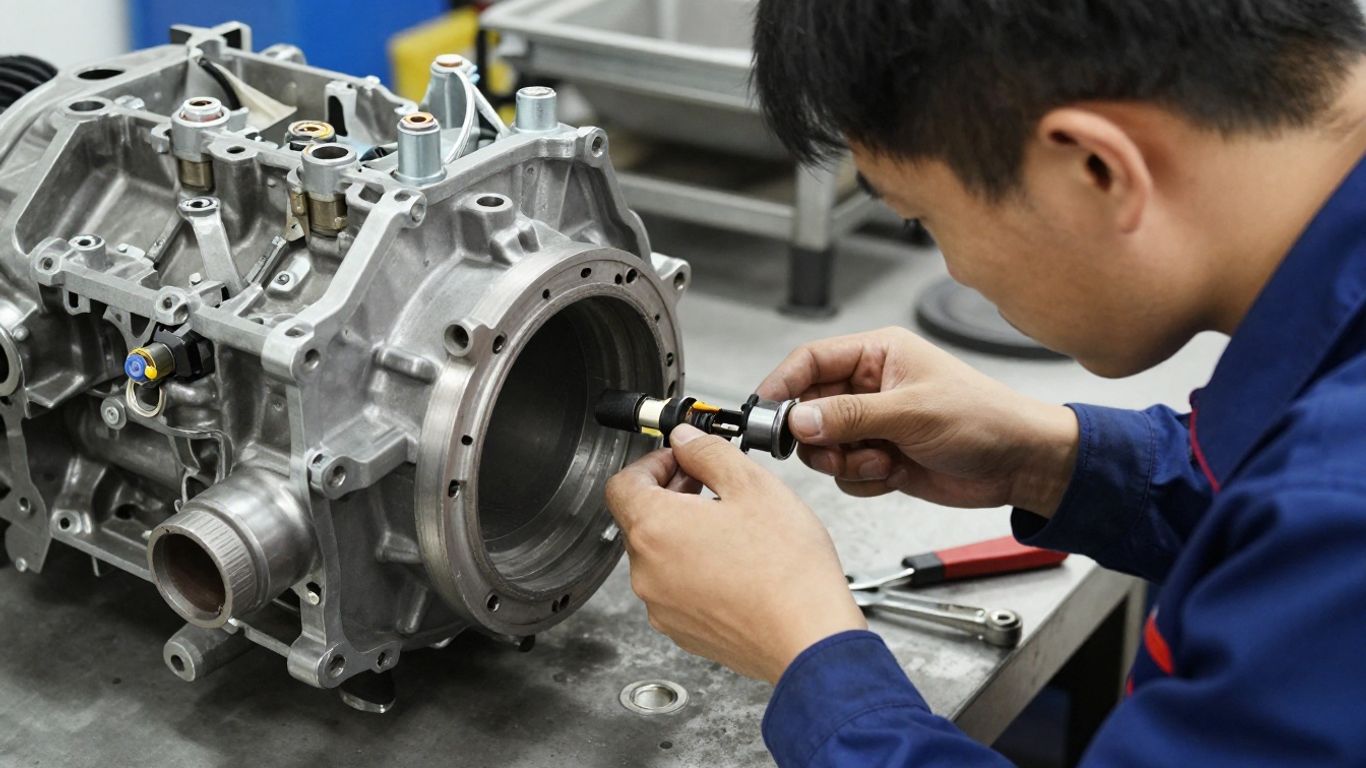
Start with the full vehicle description rather than a short model name. Record the build year, engine size or engine code, body style, transmission type, and whether the vehicle is two-wheel drive or four-wheel drive. Similar-looking vehicles can use different gearboxes, particularly across production changes.
The supplier should be able to explain how the proposed unit matches those details. If the answer depends on a photograph or a visual comparison alone, request further confirmation. A written record of the match is useful if questions arise during fitting.
Checking transmission codes and compatibility
Transmission codes are often more reliable than a general vehicle description. They may appear on an identification plate, casing, service paperwork, or other vehicle documentation, although their location varies. Have the code checked against the donor unit and ask about any known differences in connectors, mounts, ratios, or ancillary parts.
Do not assume that a gearbox from the same model family will be interchangeable. Production year and engine changes can alter the specification. If the code is unreadable, clear photographs and a workshop inspection may help establish the correct replacement.
Comparing two-wheel drive and four-wheel drive units
Two-wheel-drive and four-wheel-drive arrangements can require different gearbox configurations and related driveline components. The transfer case, output arrangement, mounts, and surrounding hardware may not be interchangeable. Confirm the drivetrain before comparing prices or arranging freight.
A lower-priced unit is not a saving if it needs extensive conversion work. Ask whether the advertised gearbox includes the relevant housings or attached components, and whether those parts correspond with the vehicle being repaired. Compatibility should be confirmed as a complete installation question.
Confirming electronic and sensor requirements
Some modern transmissions rely on wiring, sensors, control modules, or connectors that must correspond with the vehicle. Before buying, identify which electronic components remain with the vehicle and which are supplied with the replacement. A mechanical match alone may not be enough for correct operation.
Ask the installer to check connectors and sensor arrangements before the old gearbox is removed. This makes it easier to identify missing components early. It also helps separate a gearbox fault from a wiring, calibration, or control issue during post-installation checks.
What “tested and warranted” should mean
The phrase “tested and warranted” should describe a process, not just a sales slogan. A buyer should know what was inspected, whether the unit was operated or road tested, and how warranty claims are handled. The details may vary between suppliers, so clarity matters more than familiar wording.
Essential inspections before sale
A sensible inspection may include checking the casing for damage, examining mounting points, looking for leaks, and assessing visible connectors and shafts. Internal inspection depends on the supplier’s process and the unit’s history. Ask what was actually done to this gearbox rather than what is normally done to similar stock.
The condition of a used unit cannot always be established from appearance. Ask for the donor vehicle details when available, mileage information if recorded, and any known history. These details do not guarantee future performance, but they improve the basis for a reasoned purchase.
Road testing and performance checks
Road testing can provide useful evidence about engagement, shift quality, noise, and operation at different speeds. For an automatic gearbox, ask whether changes between gears and reverse engagement were checked. For a manual unit, ask about gear selection, bearing noise, and operation under load.
A road test is only one part of an assessment. It should be considered alongside fluid inspection, visual checks, and confirmation that the unit is the correct specification. The question is not merely whether a gearbox moved a vehicle, but what conditions were used to assess it.
A warranty is strongest when the inspection process and the claim process are both easy to understand.
That principle gives buyers a useful way to compare suppliers. A confident answer should cover the inspection completed, the coverage period, fitting requirements, and the steps to follow if a fault appears.
Warranty coverage and common exclusions
Read the warranty for its duration, covered parts, labour arrangements, claim notification period, and installation conditions. Common exclusions may involve incorrect fitting, lack of required fluids, unrelated vehicle faults, continued use after a warning sign, or modifications. Never infer coverage from a short verbal assurance.
The warranty may also require installation by an approved workshop or compliance with specified service steps. Ask whether freight, diagnosis, removal, refitting, and replacement fluids are included. These details can materially change the value of an offer.
Getting warranty terms in writing
Request the warranty terms before purchase and keep the invoice with them. The paperwork should identify the supplied gearbox, the sale date, the coverage period, and any conditions that could affect a claim. If a promise is made by phone, ask for it by email or on the sales document.
Written terms reduce confusion if the vehicle develops a problem later. They also make it easier to compare two offers that appear similar. A clear document is part of the product transaction, not an administrative extra.
Signs your Nissan gearbox may need replacing
Gearbox symptoms can be unsettling, but they do not automatically prove that replacement is necessary. Similar signs can come from low or contaminated fluid, worn mounts, clutch problems, electrical faults, or other driveline components. A prompt diagnosis is safer than continuing to drive until a minor issue becomes major damage.
Delayed or harsh gear changes
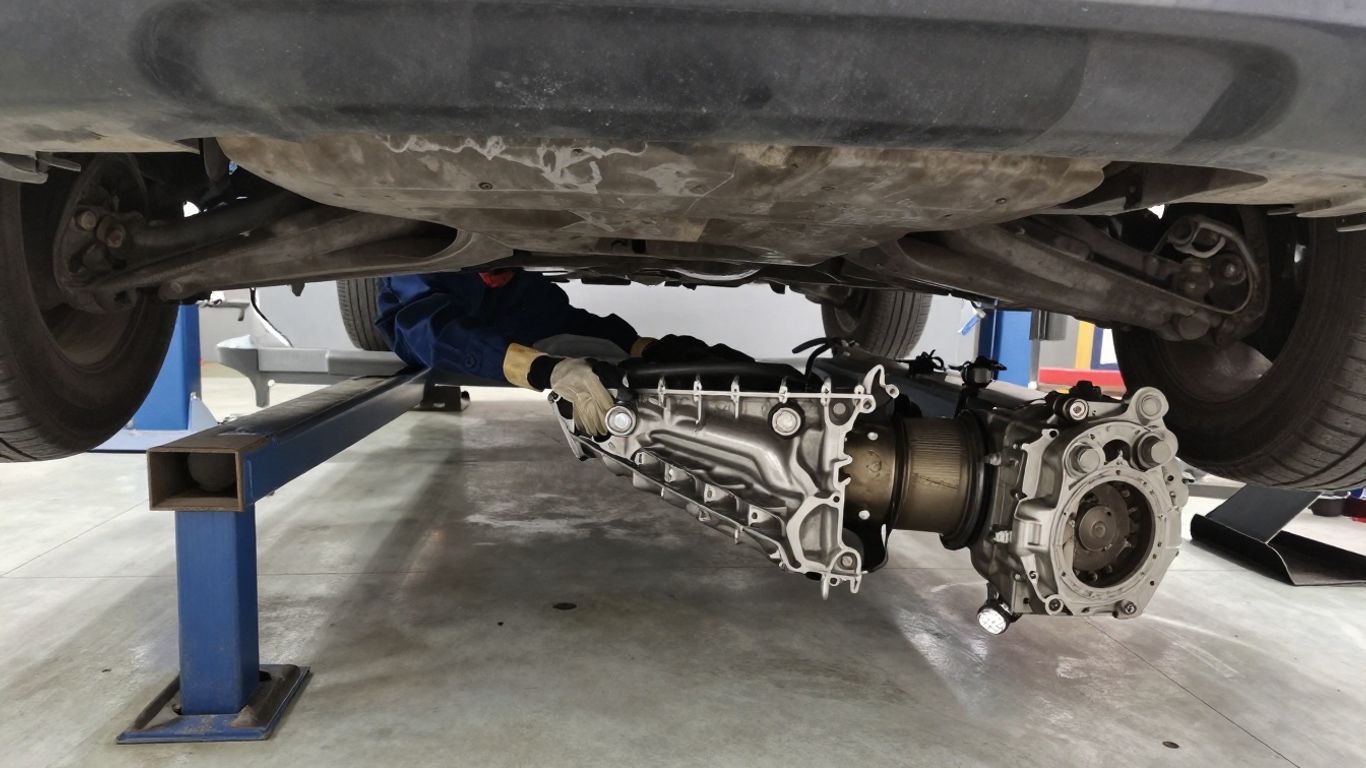
A delay when selecting drive or reverse, harsh engagement, or abrupt shifts deserves attention. Note when the symptom occurs, whether the vehicle is cold or warm, and whether it happens under acceleration or light throttle. That information can help a technician reproduce the problem.
Do not repeatedly test a suspected fault by forcing gear changes or driving aggressively. Continued use may worsen internal wear or create a safety issue in traffic. Arrange an assessment, particularly if the delay is increasing or accompanied by warning lights.
Grinding, slipping, or noisy operation
Grinding during gear selection can indicate a clutch, linkage, synchroniser, or internal gearbox concern. Slipping may feel like engine speed rises without a matching increase in road speed. Whining, rattling, or humming that changes with speed or gear should also be recorded and reported.
The character of a noise matters. A worn bearing, differential, transfer component, or low fluid level can sound similar to a gearbox failure. A diagnosis should identify the source before a replacement is selected.
Transmission fluid leaks and burning smells
Fluid beneath the vehicle, a hot-oil smell, or discoloured fluid should not be ignored. Leaks can reduce lubrication and allow heat or wear to build. Check only as instructed by the vehicle manufacturer or technician, since fluid type and checking procedures vary between transmissions.
Avoid topping up with an unsuitable fluid simply to keep driving. Record where the leak appears and how quickly it returns after cleaning. The location may help distinguish a seal or housing issue from a deeper internal fault.
When repair is better than replacement
Repair can be the better path when testing identifies a contained, serviceable fault. It may also make sense when the existing gearbox is known to be correct for the vehicle and a compatible used unit is difficult to verify. The decision should consider diagnosis, parts, labour, downtime, and the vehicle’s remaining service needs.
Replacement becomes more attractive when internal damage is extensive or the repair estimate is uncertain. Ask for the reasoning behind either recommendation. A good workshop should explain what has failed and what evidence supports the proposed solution.
How to compare used Nissan gearbox suppliers
Price is only one part of a used gearbox purchase. Supplier experience, stock information, inspection standards, warranty terms, fitting support, and freight can all affect the final result. Comparing these elements side by side makes the decision less dependent on an attractive headline price.
Questions to ask before buying
Ask whether the unit is used, reconditioned, or remanufactured, where it came from, and what checks were completed. Confirm the transmission code, drivetrain match, warranty conditions, and whether the price includes any accessories or attached components. Also ask how quickly the unit can be supplied.
It is reasonable to ask what happens if the gearbox is incompatible or develops a covered fault. Find out who pays for diagnosis, removal, freight, and refitting. Specific answers are more useful than general reassurance.
Reviewing supplier experience and inventory
A supplier with an established inventory process may be better placed to identify variations between vehicle specifications. That does not remove the need for verification, but it can make the search more efficient. Ask how stock is catalogued and whether the listed code is checked before dispatch.
Inventory descriptions should be treated as information to confirm, not as a substitute for checking the vehicle. A clear stock reference, photographs, and a documented matching process can reduce misunderstandings. If details are vague, pause before committing funds.
Checking installation and fitting services
Ask whether the supplier offers fitting, works with a workshop, or supplies the unit for installation elsewhere. Installation support may affect warranty validity, scheduling, and the total cost. Confirm what the workshop will inspect before fitting and what it will check after the vehicle is running.
A gearbox installation is not only a removal-and-replacement task. Access, mounts, clutch or torque-converter components, wiring, fluid, and post-fitting adjustments may all need attention. Agree on the scope of work before the vehicle is booked in.
Comparing total costs beyond the gearbox price
Prepare a complete estimate rather than comparing unit prices alone. Include diagnosis, the gearbox, freight, labour, fluids, seals, related components, and any follow-up inspection. This gives a more realistic view of the purchase and helps reveal where two quotes differ.
The cheapest suitable unit may still be the best choice, but only after the terms are comparable. Check whether each quote includes the same warranty and installation assumptions. The final fitted cost matters more than the number shown beside the gearbox in a listing.
Buying and installing a used Nissan gearbox
Once the correct unit has been identified, planning the installation carefully can prevent avoidable delays. Gather the vehicle information, confirm the scope of work, and make sure the replacement and its warranty conditions are documented. Good preparation also gives the installer a clearer starting point.
Preparing your vehicle identification details
Collect the vehicle identification number, registration details, build date, engine information, transmission type, drivetrain, and transmission code if available. Take photographs of the identification plate and any visible gearbox markings. Supply the information before the unit is reserved so compatibility can be checked early.
Also describe the symptoms that led to the replacement decision. Notes about slipping, noise, leaks, delayed engagement, or warning lights may help the workshop check related components. Accurate information is more useful than a guess about which internal part failed.
Planning removal and installation
Confirm how long the vehicle may be off the road and whether the workshop has the necessary equipment and access. Ask what will happen if the old gearbox reveals damaged mounts, wiring, clutch parts, or driveline components during removal. A plan for these possibilities makes approval easier.
Before work begins, confirm the replacement unit, warranty requirements, labour charges, and responsibility for any additional parts. Photographing the supplied gearbox and recording its identification details can also support the paperwork. This is especially helpful when several similar units are in stock.
Replacing fluids, seals, and related components
The installer should assess seals, mounts, hoses, fasteners, clutch or torque-converter components, and other parts affected by the installation. Fluid should be suitable for the specific transmission and filled according to the correct procedure. Reusing a questionable seal or contaminated fluid can undermine otherwise careful work.
Not every related part needs automatic replacement. The right approach is to inspect each component and replace it when worn, damaged, contaminated, or required by the warranty terms. Ask the workshop to explain recommendations before extra work is authorised.
Completing post-installation checks
After installation, check for leaks, correct engagement, gear selection, unusual noise, warning lights, and smooth operation. A controlled road test should follow the workshop’s inspection procedure, with attention to both cold and warmed-up behaviour where appropriate. Any abnormal result should be recorded before the vehicle is returned to normal use.
The invoice should identify the gearbox fitted, the work completed, the fluids used, and the warranty supplied. Keep these records together. They provide a useful reference for servicing and any future claim.
Protecting your replacement gearbox after installation
A replacement gearbox still needs sensible care once the vehicle leaves the workshop. Follow the installer’s instructions, avoid ignoring small symptoms, and maintain the fluid and service requirements for the specific transmission. Early attention is usually simpler than trying to explain a long period of continued use after a fault began.
Following the recommended break-in period
Ask whether the supplier or installer recommends a particular break-in period or follow-up inspection. If so, follow the instructions for speed, load, towing, and driving conditions. Avoid assuming that every used gearbox has identical requirements.
The first drives should be treated as an opportunity to observe the installation. Pay attention to engagement, shift quality, noises, smells, and any change in fluid beneath the vehicle. Report unusual behaviour promptly rather than waiting for the warranty period to become urgent.
Maintaining transmission fluid levels
Use only the specified fluid and checking method for the vehicle. Incorrect fluid or an incorrect level can affect lubrication and operation, while a leak can develop gradually without leaving a large pool. Have levels checked during scheduled servicing or sooner if symptoms appear.
Fluid condition alone is not a complete diagnosis. If it looks unusual, smells overheated, or the level keeps falling, ask for the cause to be investigated. Simply adding more fluid may conceal a problem rather than resolve it.
Recognizing early warning signs
Watch for delayed engagement, harsh changes, slipping, new noises, burning smells, leaks, or warning lights. A symptom that appears only when hot or under load is still relevant. Write down when it occurs so the technician has useful information.
Stop and seek advice if the vehicle becomes difficult to control, loses drive, or develops severe noise. Continuing to drive can increase damage and may complicate a warranty assessment. Prompt communication also creates a clearer record of when the issue began.
Keeping service records for warranty support
Keep the purchase invoice, warranty document, installation invoice, fluid receipts, inspection notes, and correspondence in one place. Record the installation date and mileage, along with any follow-up checks. These details can show that the vehicle was maintained and that concerns were reported in a timely way.
If a problem develops, contact the supplier before authorising unrelated repairs where the warranty requires prior approval. Describe the symptoms clearly and provide the requested documents. Good records make the next step easier for everyone involved.
Conclusion
Buying Used Nissan gearboxes Gold Coast – tested & warranted is best approached as a matching, inspection, and installation decision rather than a simple parts search. Confirm the exact specification, ask for meaningful testing evidence, read the warranty, and compare the complete fitted cost. With careful preparation and prompt maintenance after installation, a suitable replacement can be a practical way to keep a valued vehicle on the road.