
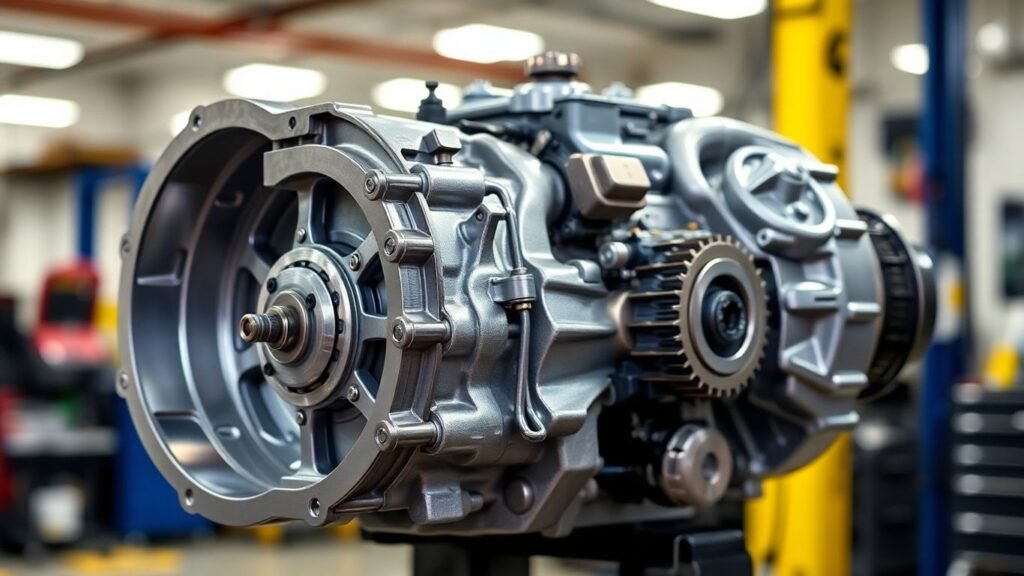
Find Quality Nissan Used Transmissions for Your Vehicle
Is your Nissan acting up? Maybe it’s making funny noises or not shifting right. It can be a real pain when your transmission starts giving you trouble. Finding a good replacement for your Nissan used transmissions can feel like a chore, but it doesn’t have to be. We’re here to help you figure out what to look for and where to find quality parts so you can get your car back on the road without too much hassle. Key Takeaways Watch out for common Nissan transmission problems like grinding gears, difficulty shifting, or slipping. Used transmissions can save you a lot of money compared to buying new ones. A remanufactured transmission is rebuilt with new parts and can last a long time. Always check the mileage, service history, and physically inspect any used transmission before buying. Look for warranties and good customer support when purchasing Nissan used transmissions. Identifying Common Nissan Transmission Issues It’s no fun when your Nissan starts acting up, especially when it’s the transmission. These can be complex parts, and when they go wrong, it really impacts how your car drives. Paying attention to the signs your transmission is giving you is key to catching problems early. Symptoms of a Failing Transmission When your Nissan’s transmission isn’t happy, it usually lets you know. You might notice some strange noises, like grinding or whining, especially when you’re trying to shift gears. Sometimes, the car might feel like it’s hesitating or jerking when the gears change. Another big red flag is if the transmission seems to slip, meaning it can’t hold a gear properly and might even shift on its own. These aren’t just minor annoyances; they’re signals that something needs attention. Understanding Nissan CVT Transmission Concerns Nissan has used Continuously Variable Transmissions (CVTs) in many of their models, like the Altima, Rogue, Sentra, and Versa. While CVTs can offer good fuel economy, some have had issues. One common concern involves the parking pawl, which is what keeps the car from rolling when it’s in park. If this part isn’t engaging right, your car could potentially roll away unexpectedly. This is a serious safety issue that Nissan has addressed in certain model years. It’s always a good idea to check if your specific Nissan model and year were part of any service campaigns or recalls related to the transmission. This information is usually available through official Nissan channels or the NHTSA. When to Seek Professional Diagnosis If you’re experiencing any of the symptoms mentioned, or if you’re just not sure what’s going on, it’s best to get a professional opinion. Trying to guess what’s wrong with a transmission can lead to bigger, more expensive problems down the road. A qualified mechanic or a Nissan dealership can properly diagnose the issue. They have the tools and knowledge to figure out if it’s a minor fix or if you’re looking at a transmission replacement. Exploring Options for Nissan Used Transmissions When your Nissan’s transmission starts acting up, you’ve got a few paths you can take. Buying a used transmission is often a smart move, especially if you’re looking to save some money compared to a brand-new unit. It’s a way to get your vehicle back on the road without breaking the bank. Benefits of Choosing Used Transmissions Going with a used transmission can be a real money-saver. Think about it – you’re getting a functional part that’s already been through its initial manufacturing process, which usually means a lower price tag. Plus, for some older or less common Nissan models, finding a new transmission might be tough, making a used one your best bet. It’s a practical choice for many car owners. What to Expect from a Quality Used Transmission So, what makes a used transmission a good used transmission? You want to look for units that have a documented history. This means checking the mileage the transmission came from and any service records available. A transmission from a vehicle with regular maintenance is generally a better bet than one that was neglected. Also, a physical check is important – look for any obvious damage, leaks, or signs of wear. It’s like picking out a good used book; you want one that’s been cared for. Cost Savings Compared to New Units Let’s talk numbers. A new Nissan transmission can set you back quite a bit, often running into thousands of dollars. A used transmission, on the other hand, can be a fraction of that cost. This significant difference can make a big impact on your repair budget. While the exact savings vary depending on the Nissan model and the specific transmission, the potential for cost reduction is substantial. When you’re looking at used transmissions, don’t just grab the first one you see. Take a moment to think about where it came from and how it was treated. A little bit of research now can save you a lot of headaches later on. Transmission Type Typical Cost Range (USD) New OEM $3,000 – $6,000+ Used $800 – $2,500 Remanufactured $1,500 – $3,500 Note: These are general estimates and can vary widely based on the specific Nissan model, year, and transmission type (e.g., CVT, automatic, manual). The Value of Remanufactured Nissan Transmissions What Constitutes a Remanufactured Transmission? A remanufactured transmission isn’t just a used one with a quick fix. It’s a unit that’s been completely taken apart, cleaned, and inspected. Any worn-out or damaged parts are replaced with new or reconditioned ones that meet or exceed the original factory standards. Think of it as a complete overhaul, bringing the transmission back to a "like-new" condition. This process often includes upgrading certain components to be more durable than the original parts. Lifespan and Performance of Remanufactured Units When a Nissan transmission is properly remanufactured, it can offer a lifespan comparable to a brand-new unit. Many can last well over 100,000 miles, giving your vehicle a new lease on life. The performance should be smooth, with proper gear engagement and no unusual noises or